

Do you know about the Lindy effect?
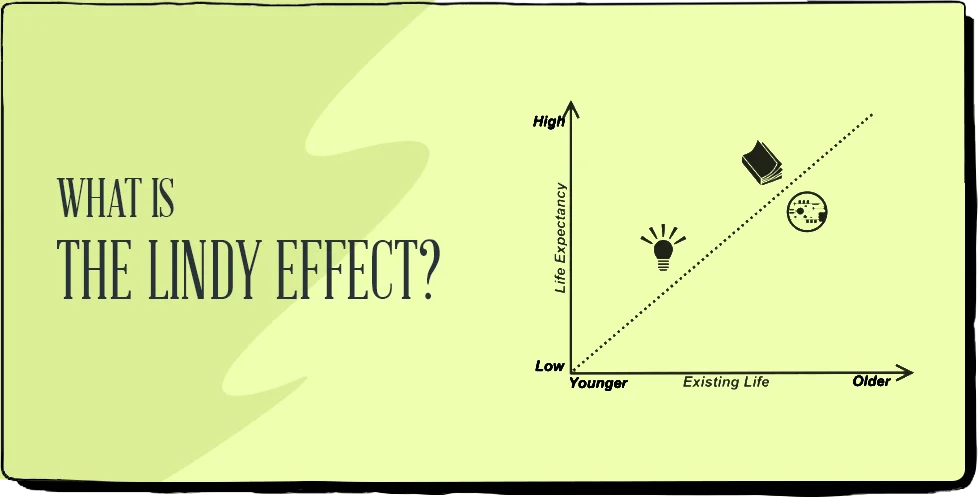
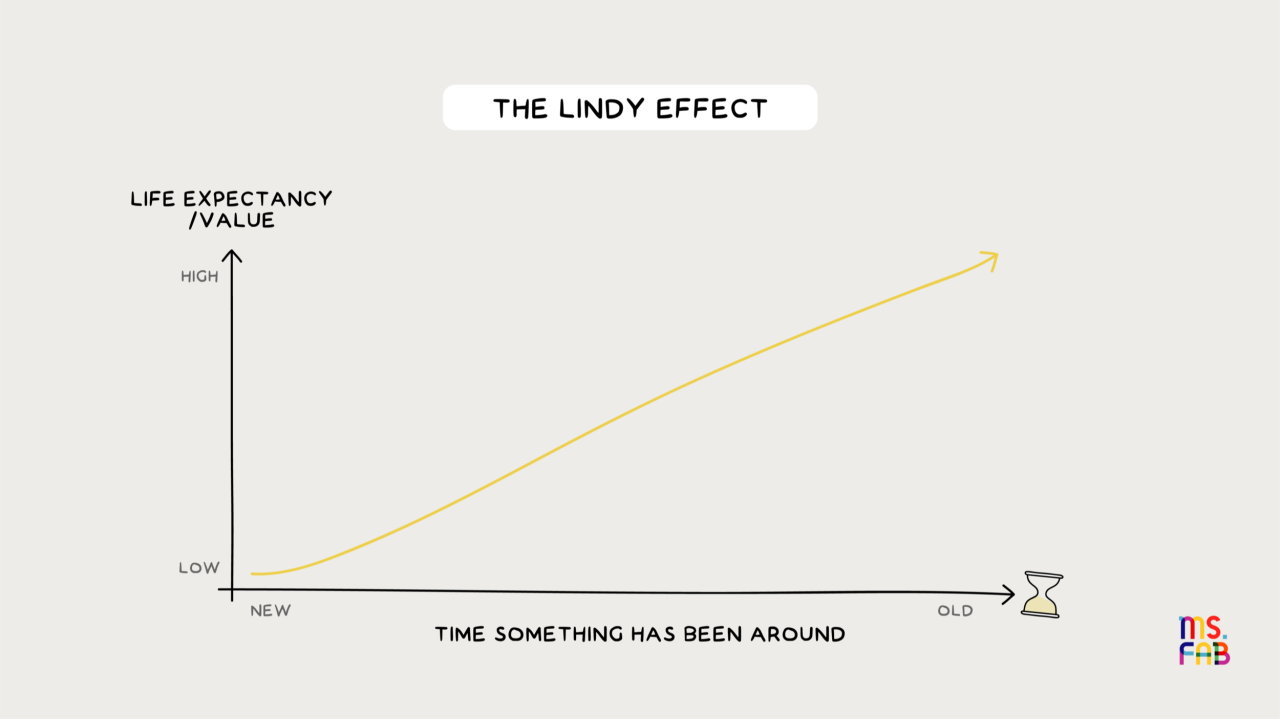
The longer something has been around, the longer you can expect it to stay around.
Let’s see why this is so powerful and how we can use it to become better investors.
The Lindy Effect
Do you know Lindy’s Delicatessen in New York City?
It was a restaurant on Broadway that performers would often eat at.
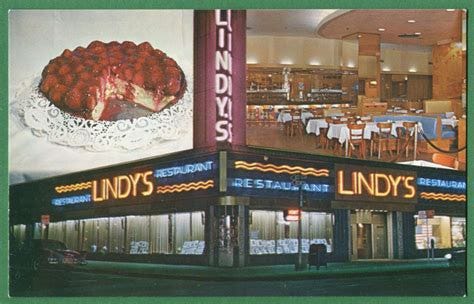
The story goes that comedians used to joke that if a Broadway show had been running for two weeks, it would probably last another two weeks.
If it had been running for two years, it would probably last another two years.
Well… It turned out that they were right.
How the Lindy Effect works
If you're 80 years old, the Lindy Effect doesn't mean you'll live to 160.
The Lindy effect only applies to things that are lasting long:
Ideas
Technologies
Art
…
These things don’t age like human beings.
Every day something survives, it proves it is useful and resilient.
That makes it more likely to survive another day.
Think about these examples:
Books: Marcus Aurelius’s Meditations is much more likely to still be read in 100 years than the latest business strategy book to hit the New York Times bestseller list last week
Technology: The bicycle has stayed almost unchanged since the 1800s. Meanwhile, trends like Segways, hoverboards, and electric scooters have come and gone.
Food: Every few years, a new diet or supplement becomes popular. But people have eaten olive oil, bread, and fish for thousands of years. They’ll probably still be eating them 100 years from now. The latest diet products may not be around anymore.
You can use this concept in your daily life too.
You’ll probably still wear a quality pair of classic leather shoes in 10 years .
But the newest trendiest pair? Unlikely.
But did you know that The Lindy Effect an also help you in investing?
The Lindy Effect In Investing
Capitalism is brutal.
50% of all businesses fail within 5 years
80% of all businesses are gone within 10 years
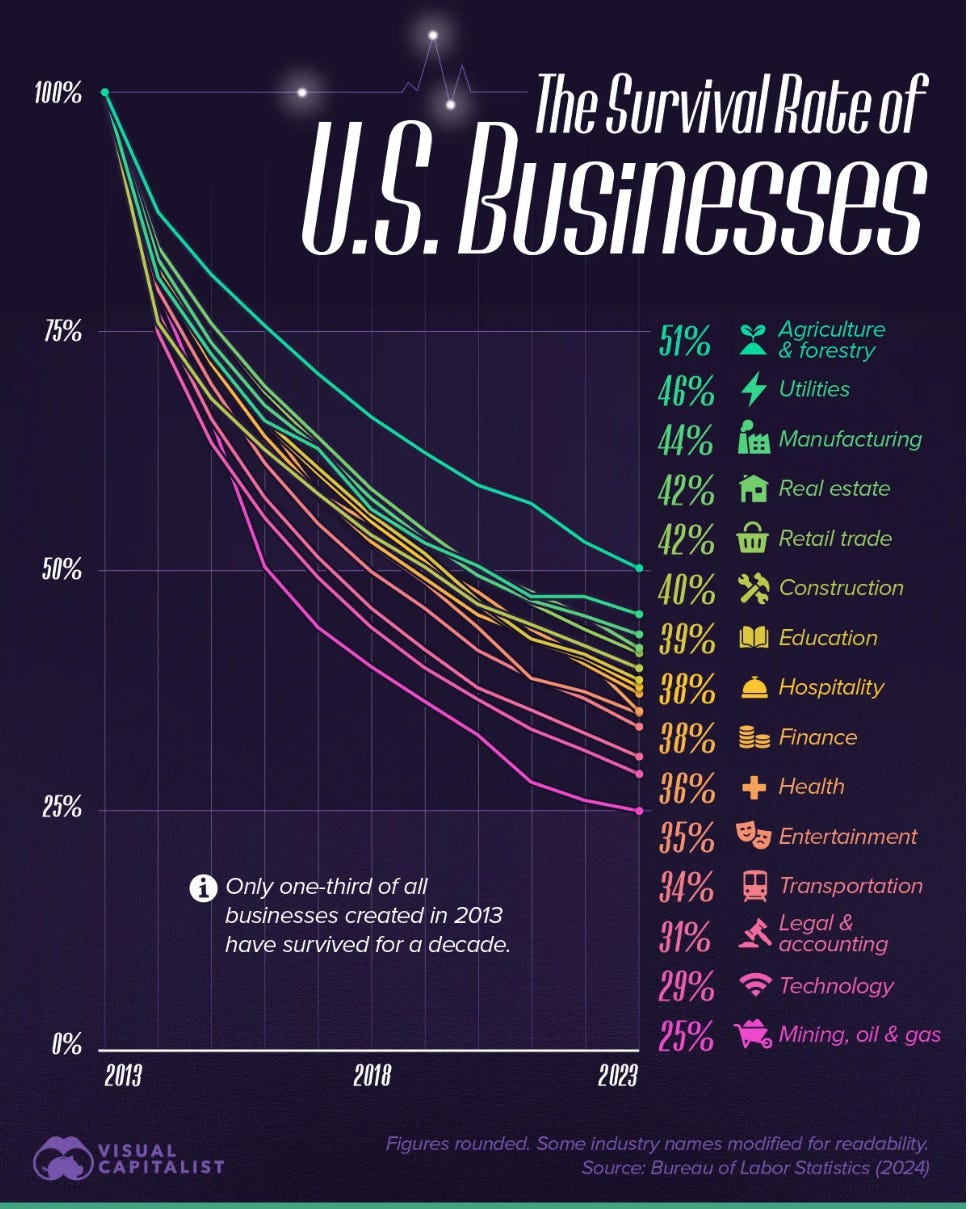
But a small number of exceptional businesses have survived for more than 100 years.
Some companies in Japan have even been around for over 1,000 years.
Lindy Businesses
These very old businesses could be considered Lindy businesses.
You probably know Deere & Company as John Deere.
It’s a Lindy business that has been around since 1837 (!).
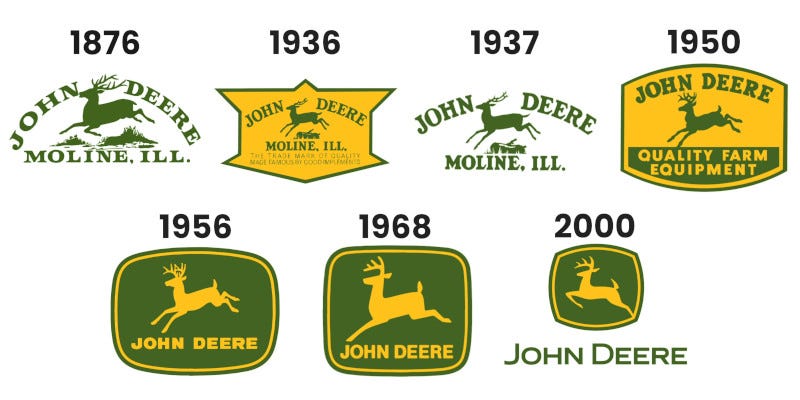
It began when a blacksmith named John Deere made a polished steel plow from a broken sawblade.
The basics of farming haven’t changed in thousands of years.
That means Deere’s expertise, brand, and reputation have been growing for nearly 200 years.
Now, they are a global giant making GPS-guided, autonomous tractors.
And they still make plows.

If a business has survived 189 years of wars, recessions, and technological change…
The Lindy Effect suggests it is likely to survive another 189 years.
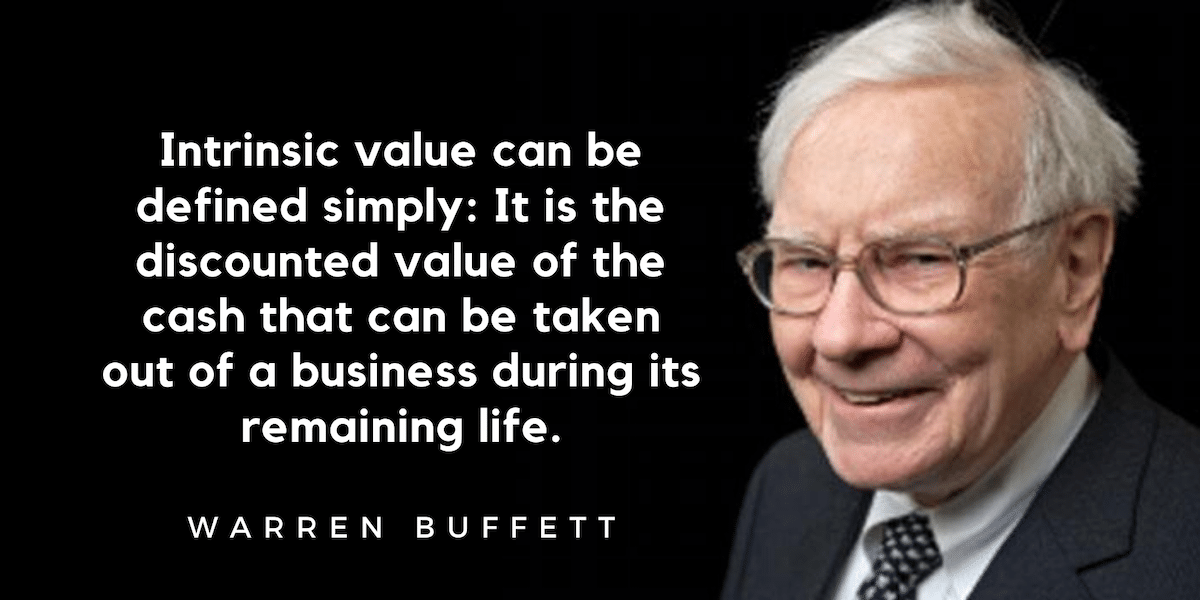
That’s important because the value of a business depends on all the cash it will generate in the future (discounted to today).
The Lindy effect states that the older a business is, the longer it will survive.
For investors, a longer life means more future cash flow.
The data proves this works.
Here is the performance of a portfolio of 100-year-old companies compared to the S&P 500 since 2000.

20 Lindy Companies
Buying Lindy companies is a great way to build wealth in a very boring way.
That’s why today and on Sunday, we will cover 20 Lindy stocks you should know.
Let’s dive in right away.
20. McDonald’s ($MCD)
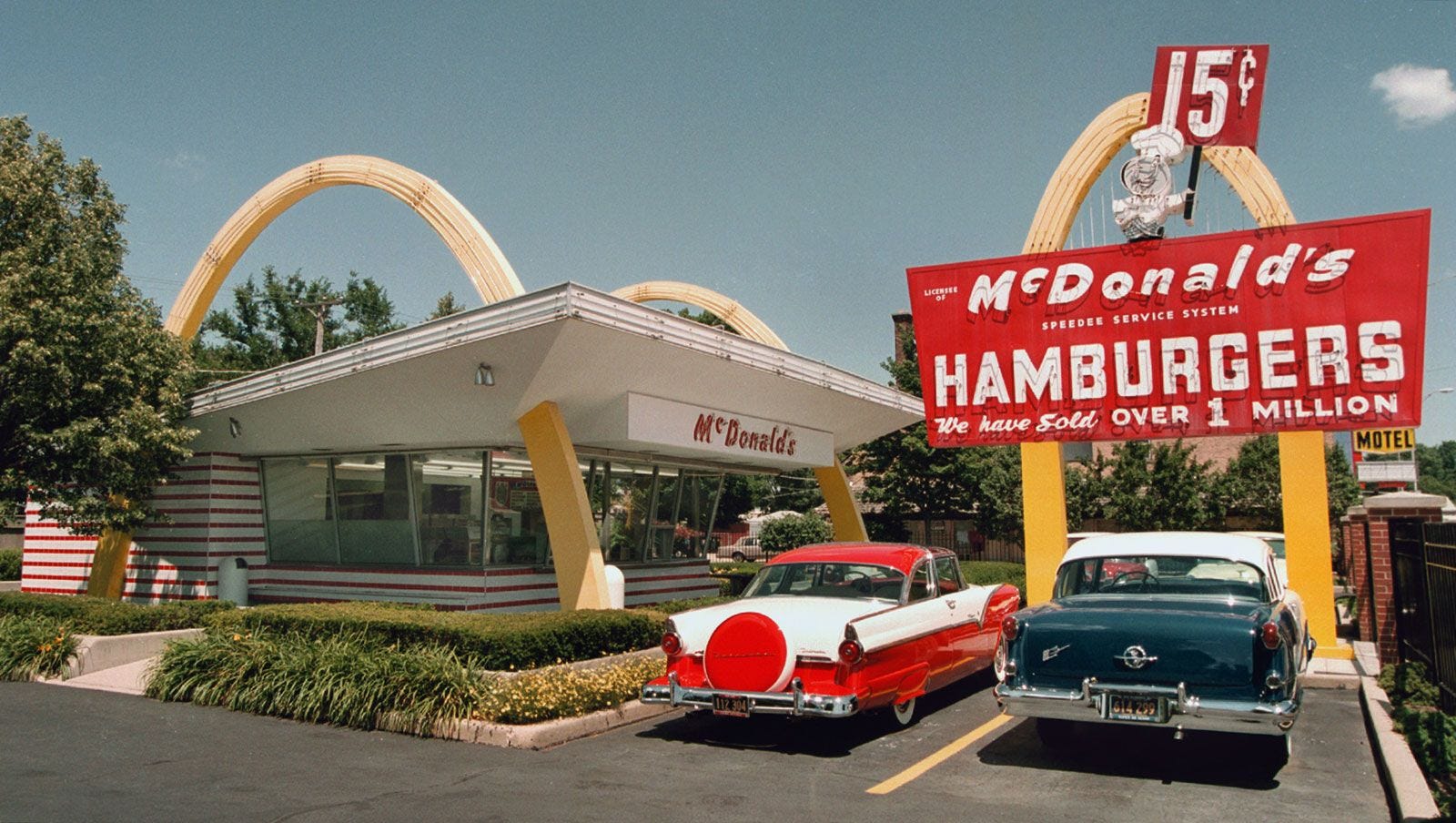
McDonald's runs one of the world’s best known fast-food businesses.
The corporation owns the underlying real estate and collects rent and franchise fees from operators.
Founded: 1955
IPO: 1965
History: Ray Kroc founded the company in 1955, expanding on the original restaurant opened by the McDonald brothers in 1940.
The Lindy Effect
Food is a fundamental human need that isn’t going anywhere.
The restaurant business can be tough, but McDonald’s is essentially a real estate company that collects rent and royalties.
McDonald’s global brand and scale make it hard to compete with.
How Has McDonald’s Performed?
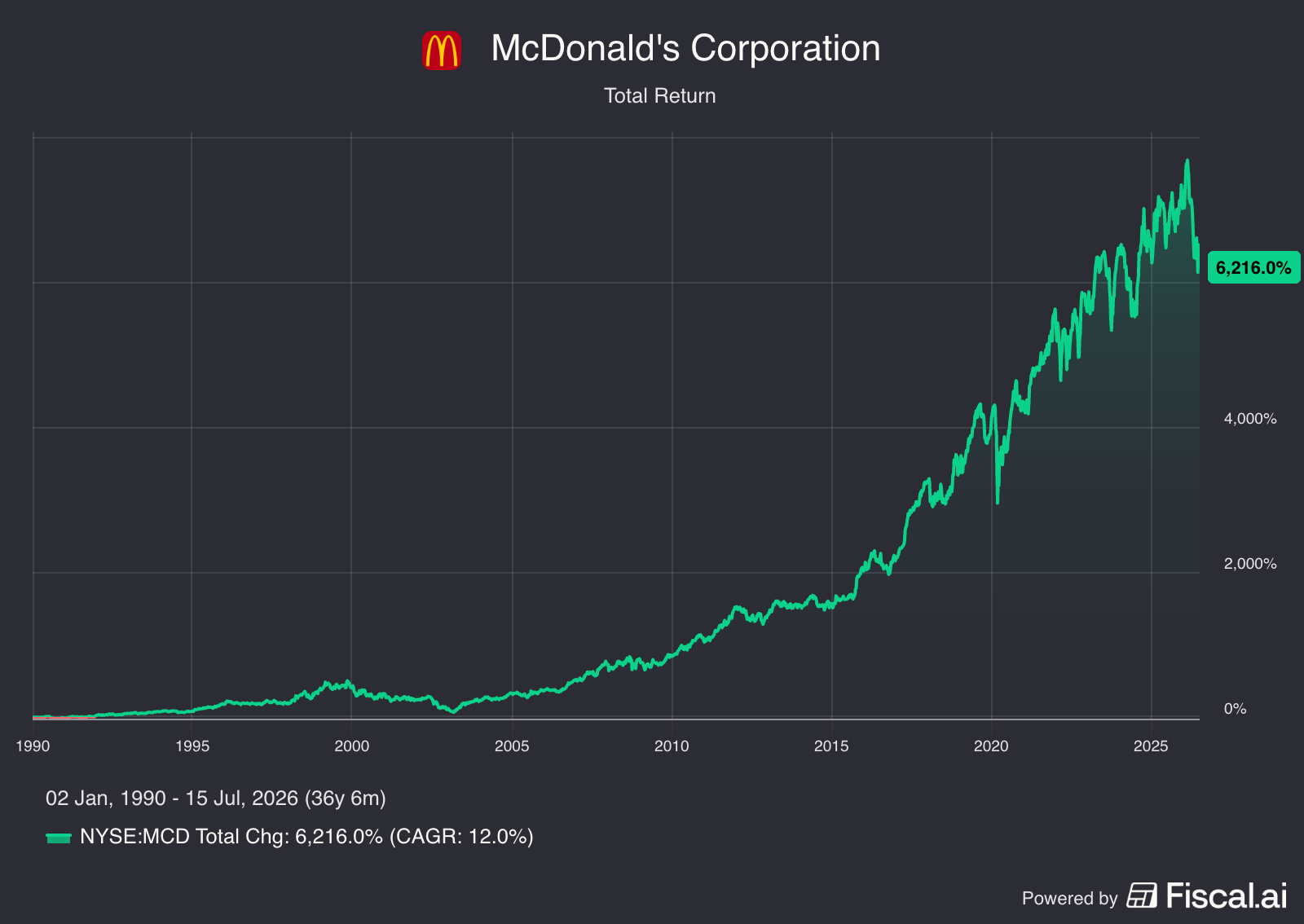
McDonald’s has a total return of more than 6,000% since 1990.
19. Marriott International ($MAR)
Marriott manages a global portfolio of hotel brands like Ritz-Carlton, JW Marriott, and Bonvoy.
Independent operators own the physical buildings while Marriott provides the operating systems.
Founded: 1927
IPO: 1993
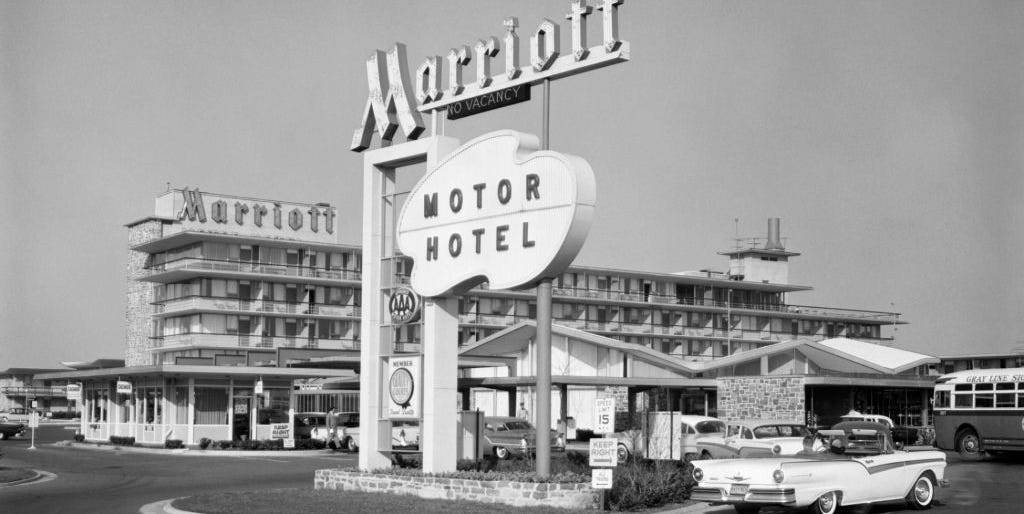
History: J. Willard Marriott opened an root beer stand in Washington, D.C., which gradually expanded into a global hotel empire.
The Lindy Effect
Hotels have been around for thousands of years (travelers will always need a place to stay).
Marriott earns fees without owning most of its hotels.
Its brands and loyalty program keep customers coming back.
How Has Marriott Performed?
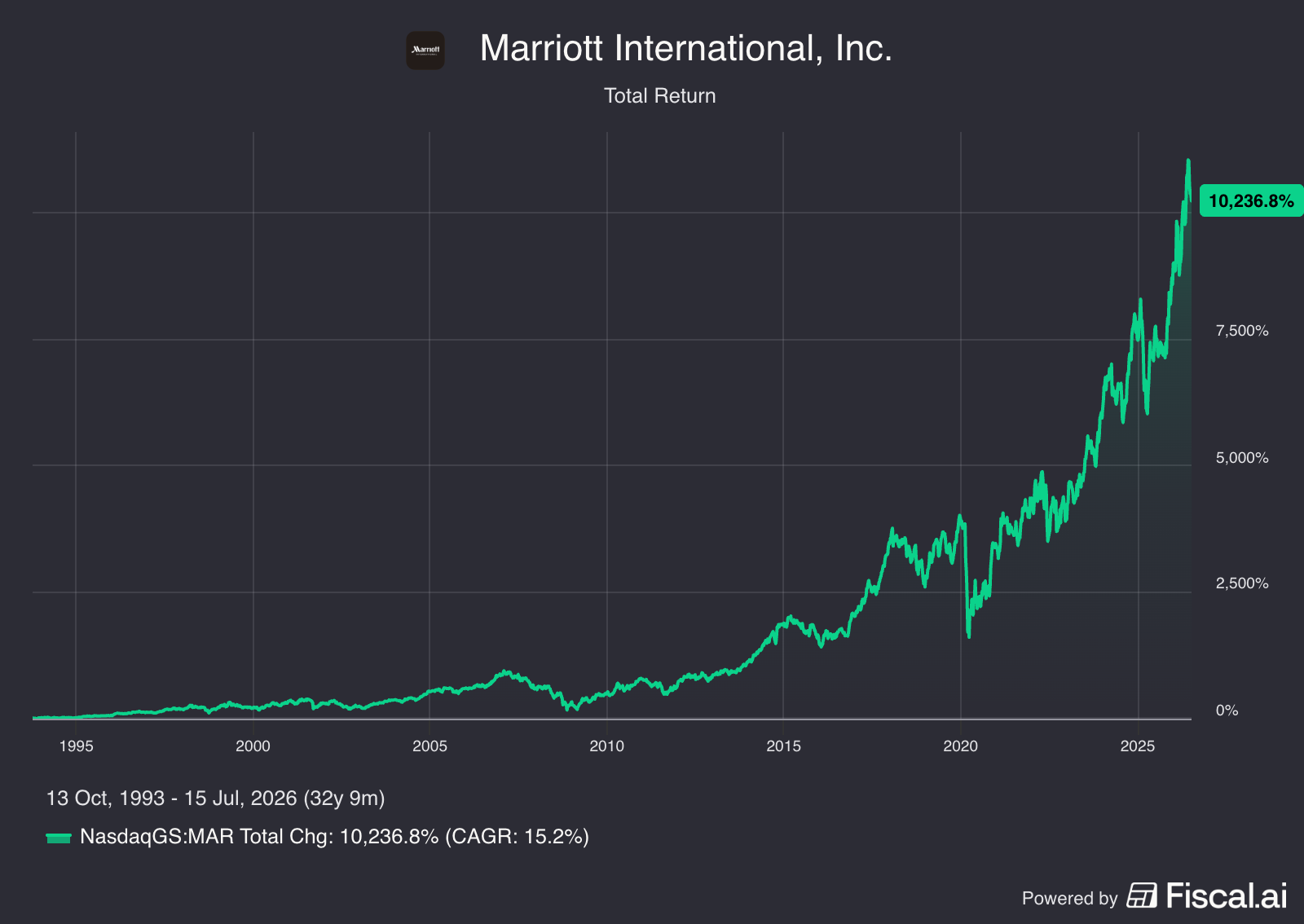
Marriott generated over +10,000% for shareholders since its IPO in 1993.
18. Walt Disney ($DIS)
Disney creates media like movies, and TV shows, and operates global theme parks.
It owns the IP rights to iconic characters and stories like Mickey Mouse, Cinderella, and Star Wars.
Founded: 1923
IPO: 1957
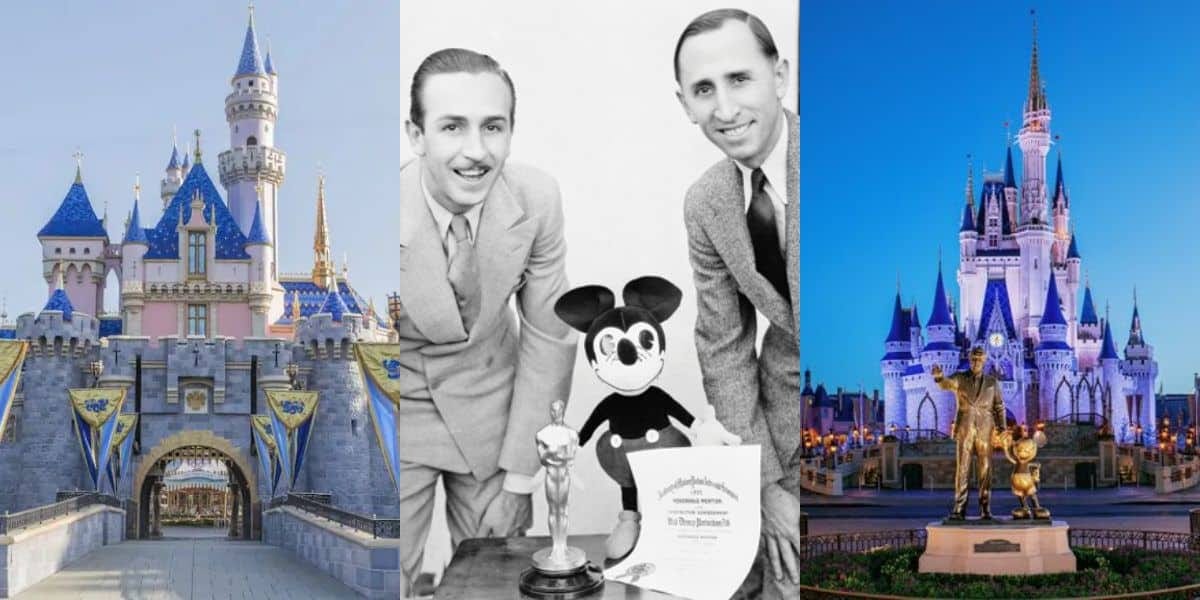
History: Walt and Roy Disney started an animation studio in Hollywood known as the Disney Brothers Cartoon Studio.
The Lindy Effect
The human desire for great stories will never go away.
Disney’s characters have been loved for generations.
Its brand and cultural importance gives Disney pricing power across its businesses.
How Has Disney Performed?
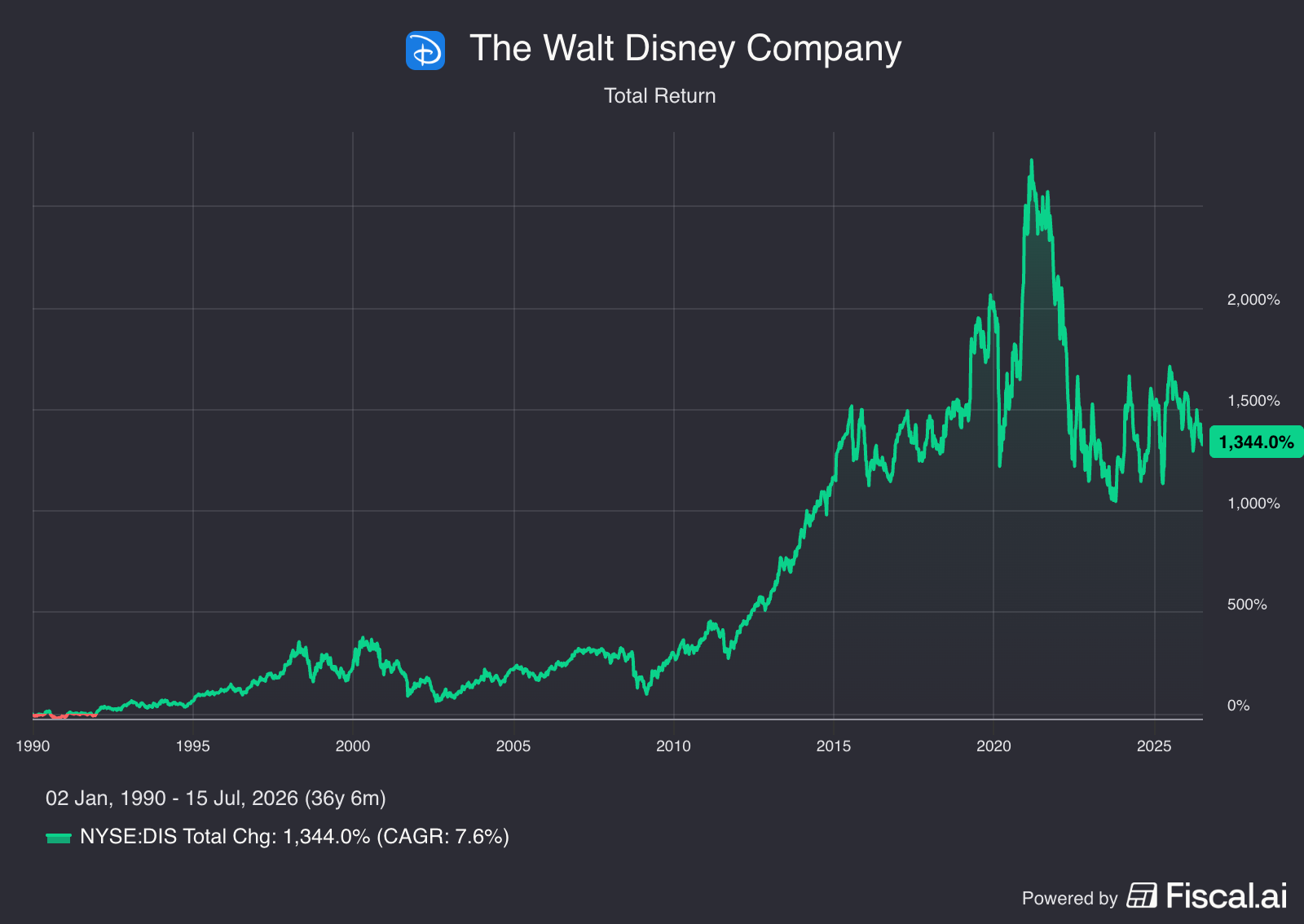
Disney’s stock has been relatively flat over the past decade.
But since 1990, it’s up more than 1,300%.
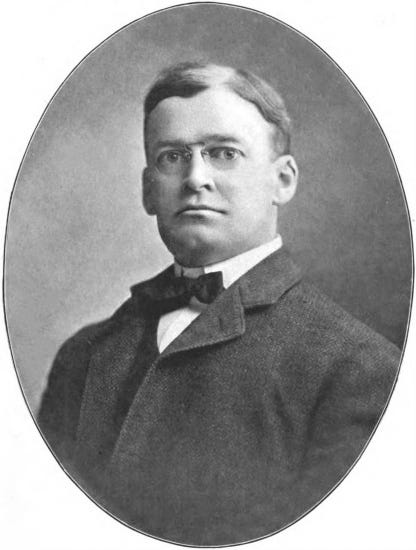
17. Moody’s ($MCO)
Moody's provides credit ratings and financial research for the global financial system.
Investors use Moody’s ratings to assess corporate debt.
Founded: 1909
IPO: Spun off as we know it today in 2000
History: John Moody published his first bond-rating manual in 1900, and Moody’s Investors Service officially began rating securities in 1909.
The Lindy Effect
The financial system depends on credit ratings.
Only a few companies dominate this market.
It would be very hard for a competitor to gain the trust Moody’s has.
How Has Moody’s Performed?
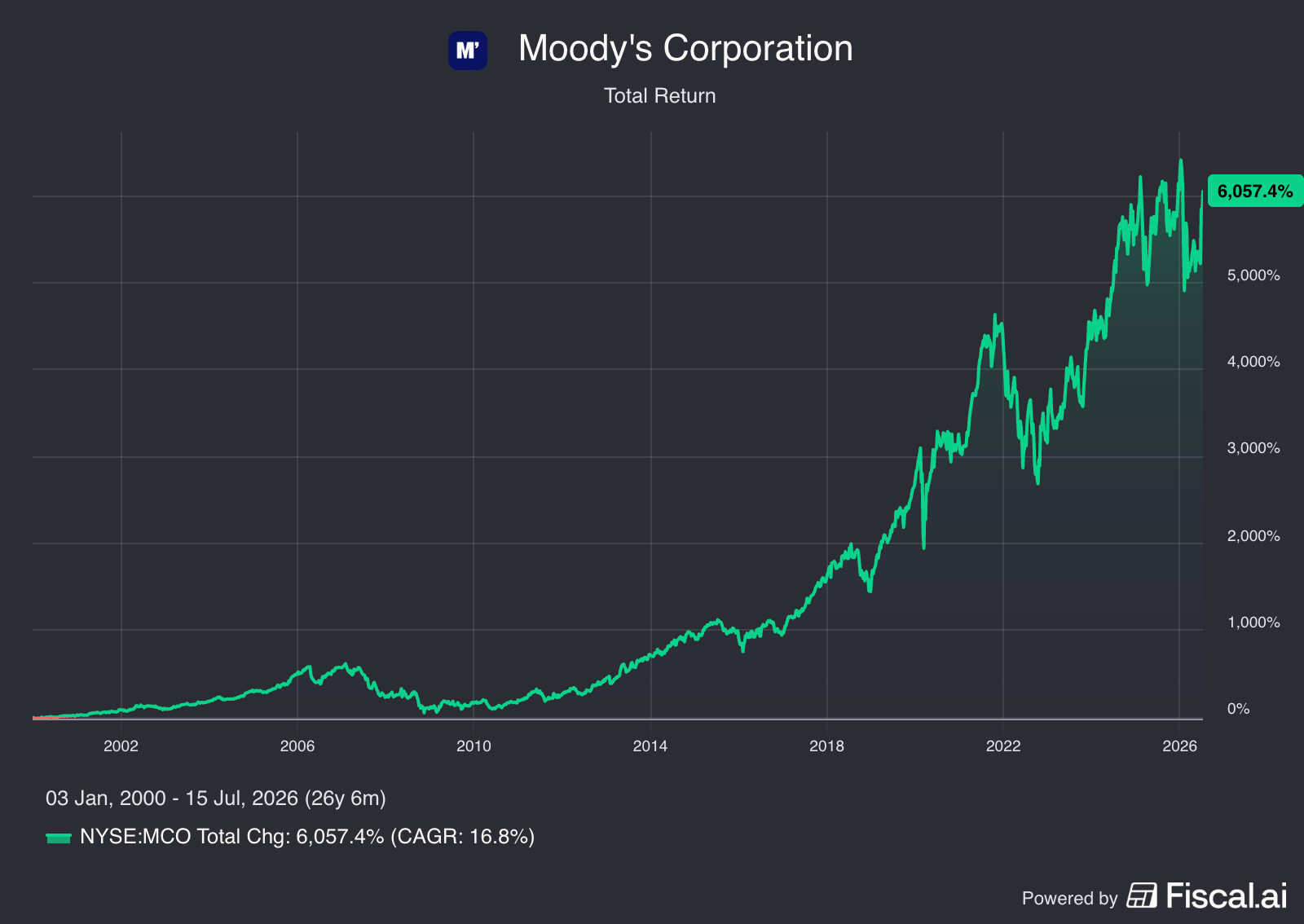
Moody’s is up more than 6,000% since its spin-off in 2000.
16. Bank of America ($BAC)
Bank of America holds deposits and provides lending to consumers and corporations.
Millions of customers use their accounts daily for basic financial needs.
Founded: 1904
IPO: 1979
History: A.P. Giannini founded the Bank of Italy in San Francisco to serve working-class immigrants; it was later renamed Bank of America in 1930.
The Lindy Effect:
People will always need a safe place to keep their money.
Bank of America’s scale gives them a huge low-cost deposit base.
Changing banks is a pain, creating switching costs, and strict regulations protect BoA from competition.
How Has Bank of America Performed?
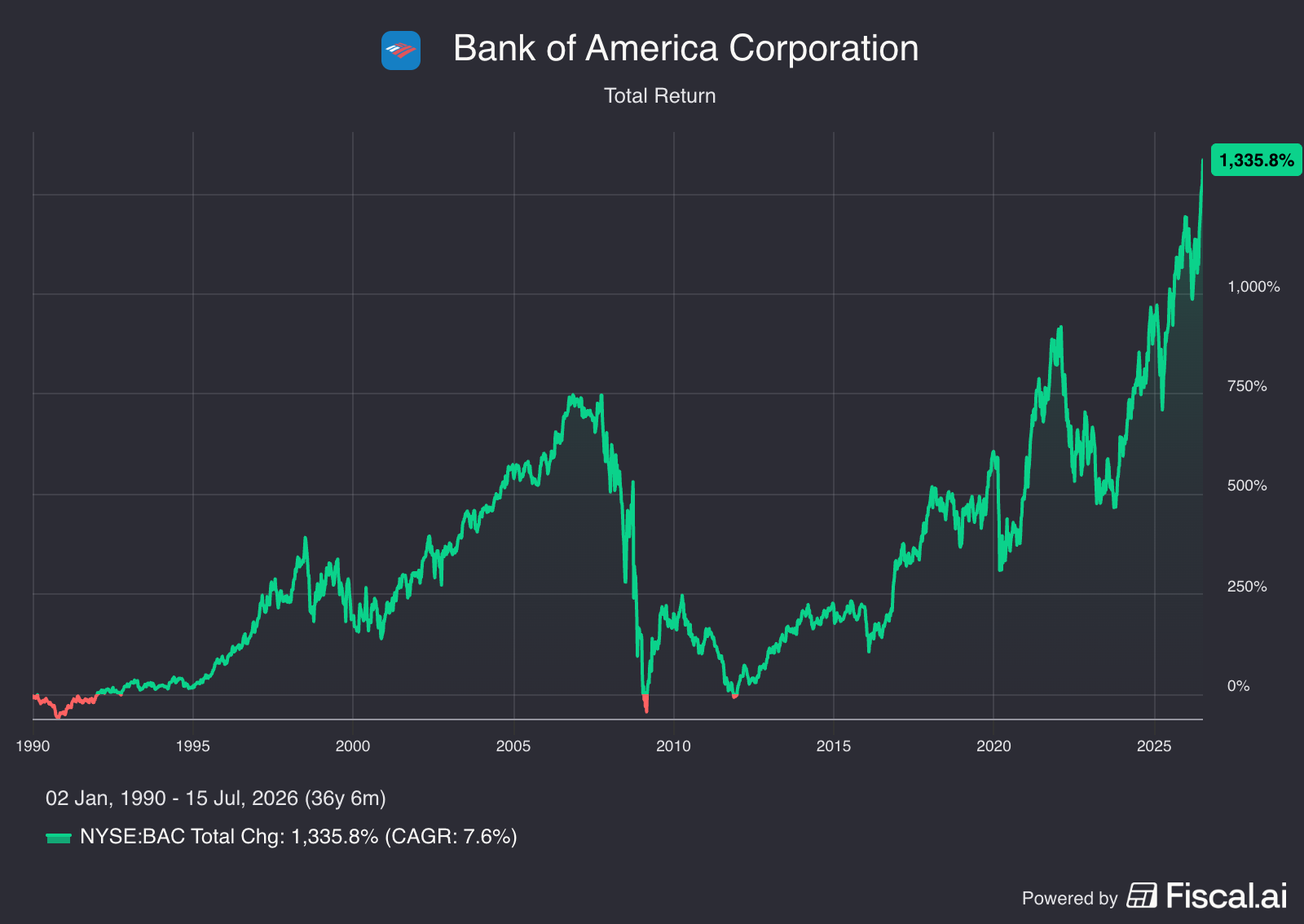
Bank of America has delivered a total return of more than 1,300% since 1990.
15. 3M ($MMM)
3M makes thousands of specialized industrial and consumer materials and adhesives.
Factories around the world rely on their adhesives and abrasives.
Founded: 1902
IPO: 1970
History: Founded as Minnesota Mining and Manufacturing to mine corundum, it quickly pivoted to inventing and producing abrasives, adhesives, and consumer goods.

The Lindy Effect
Many industries rely on 3M’s products every day.
Its products are built into thousands of supply chains.
Years of innovation and research make 3M difficult to replace.
How Has 3M Performed?
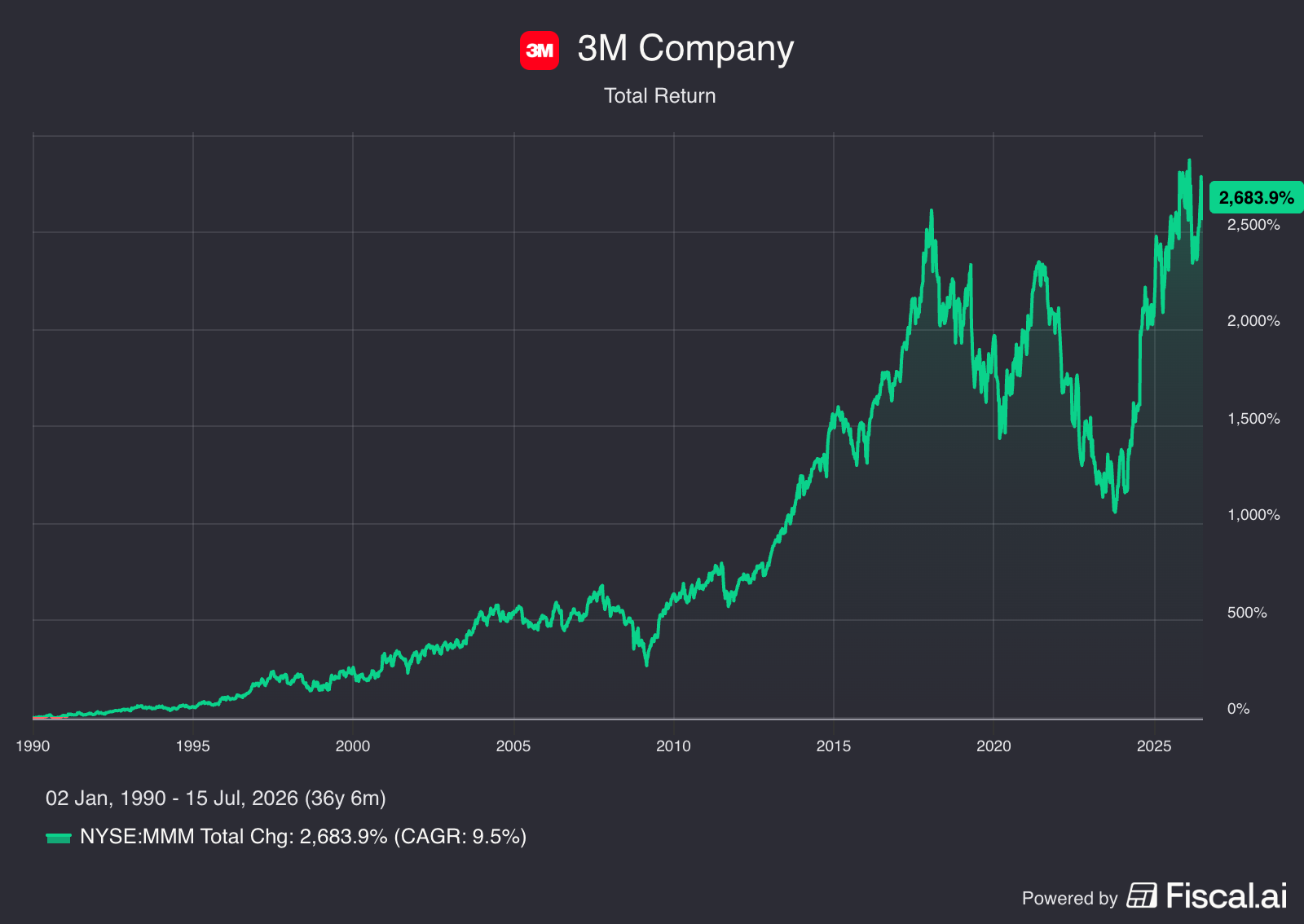
Since 1990, 3M has generated a total return of over 2,600%.
14. PepsiCo ($PEP)
PepsiCo owns a portfolio of popular snack and beverage brands like Doritos, Frito-Lay, Pepsi, and Lipton.
Their products fill grocery shelves and convenience stores worldwide.
Founded: 1898
IPO: 1978
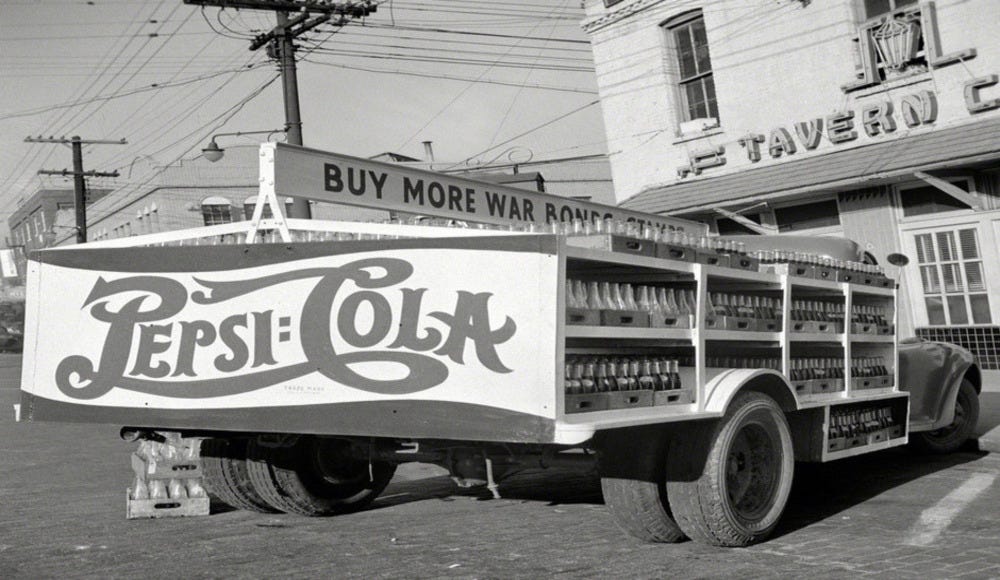
History: Pharmacist Caleb Bradham created Pepsi-Cola. The modern corporation was formed after a 1965 merger with Frito-Lay.
The Lindy Effect
People will always buy drinks and snacks.
Its brands are known and trusted around the world.
Its distribution network is almost impossible to match.
How Has PepsiCo Performed?
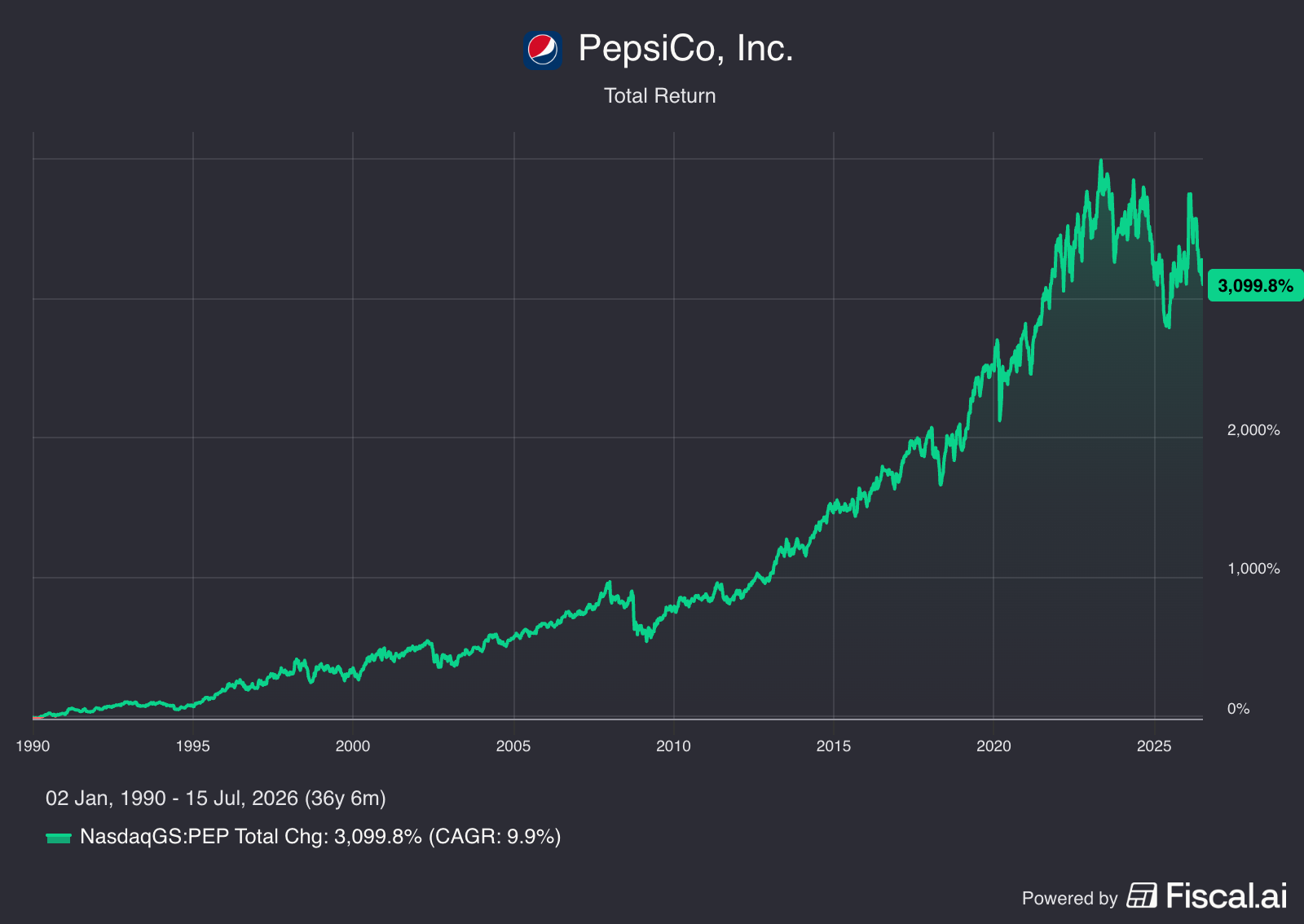
PepsiCo has returned nearly 3,100% to shareholders since 1990.
Now let’s dive into the top 3.