

Hi Partner 👋
It’s time for the Best Best Buys of the month today.
These are our favorite stocks that aren’t in Our Portfolio yet.
In other words: these stocks are the most likely to be added to the Portfolio.

Past month
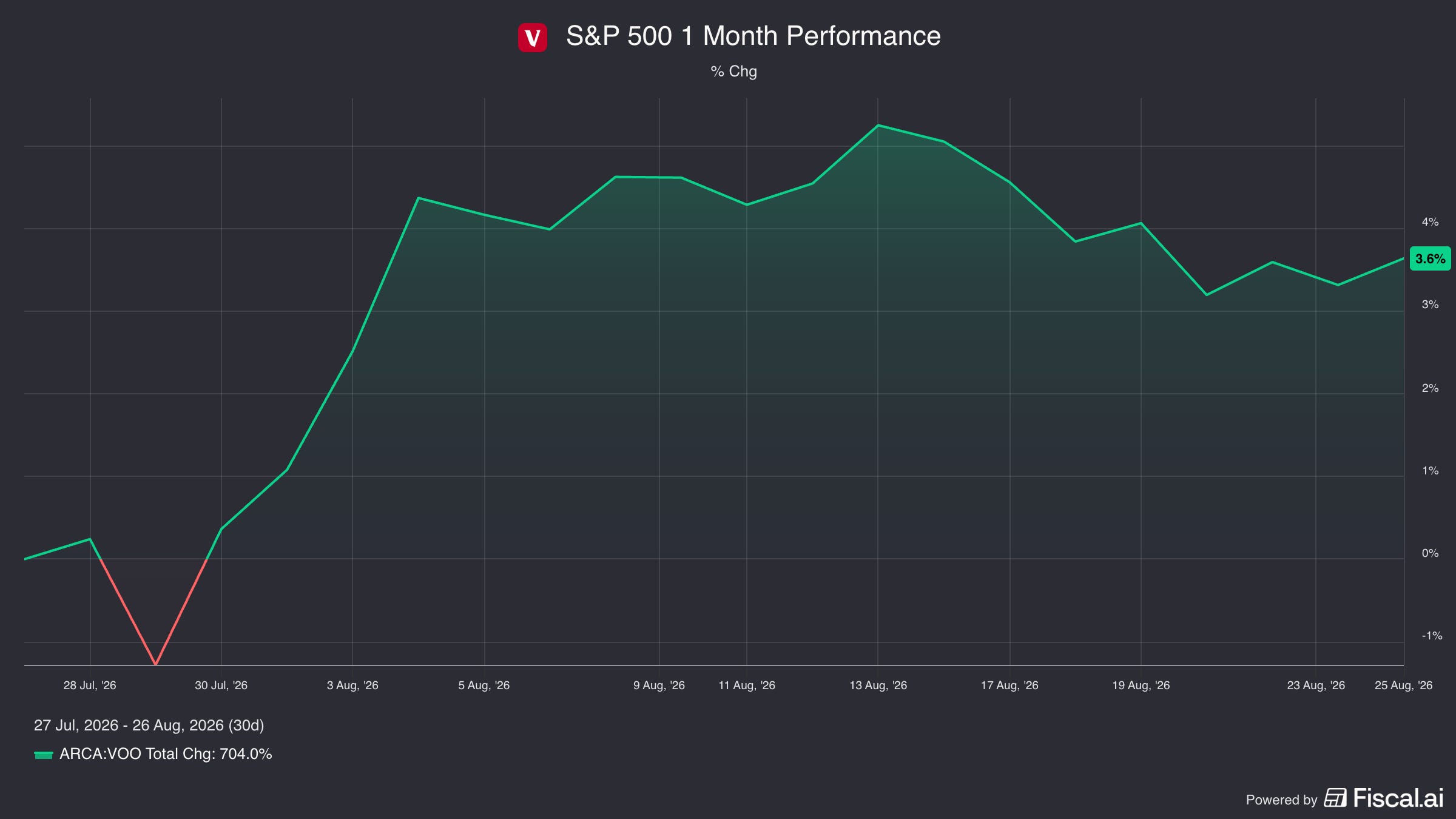
In the past month, the S&P 500 rose by +3.6%:
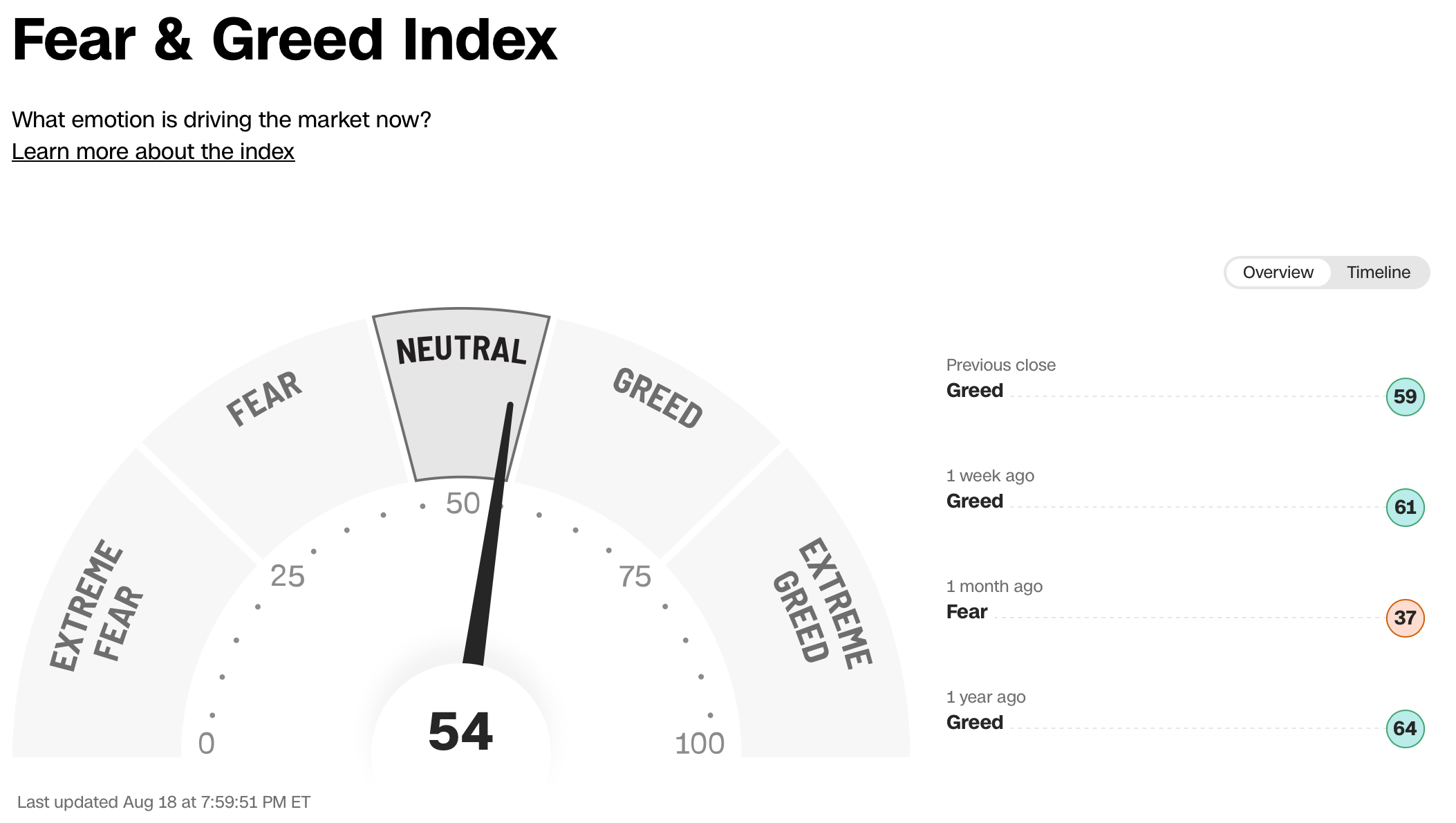
Investors are ‘Neutral’ today according to the Fear & Greed Index:
Best & Worst Performers
This overview shows you the best and worst performers in our investable universe.
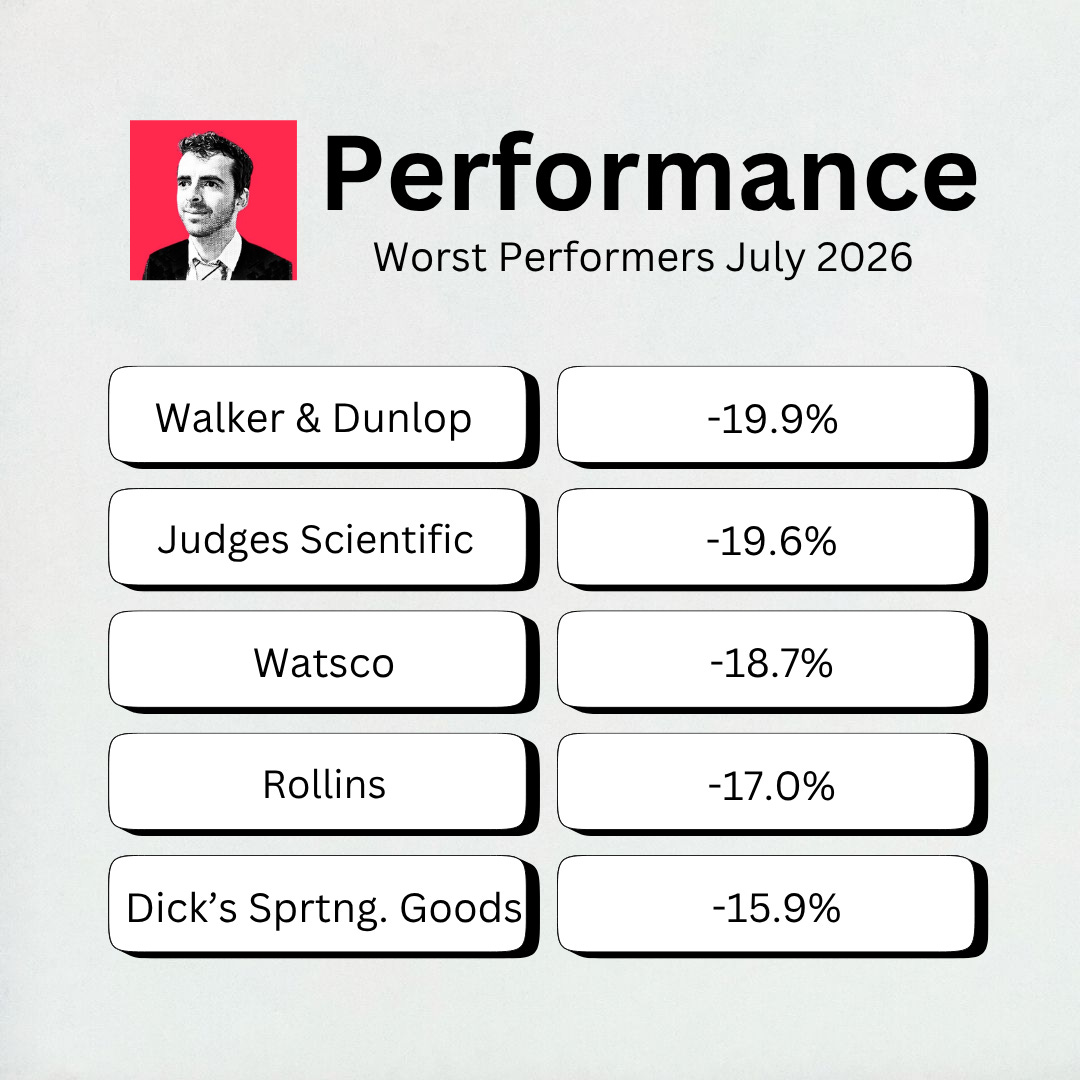
Worst performers
The cheaper we can buy great companies, the better.
Here are the worst performers of the past month:
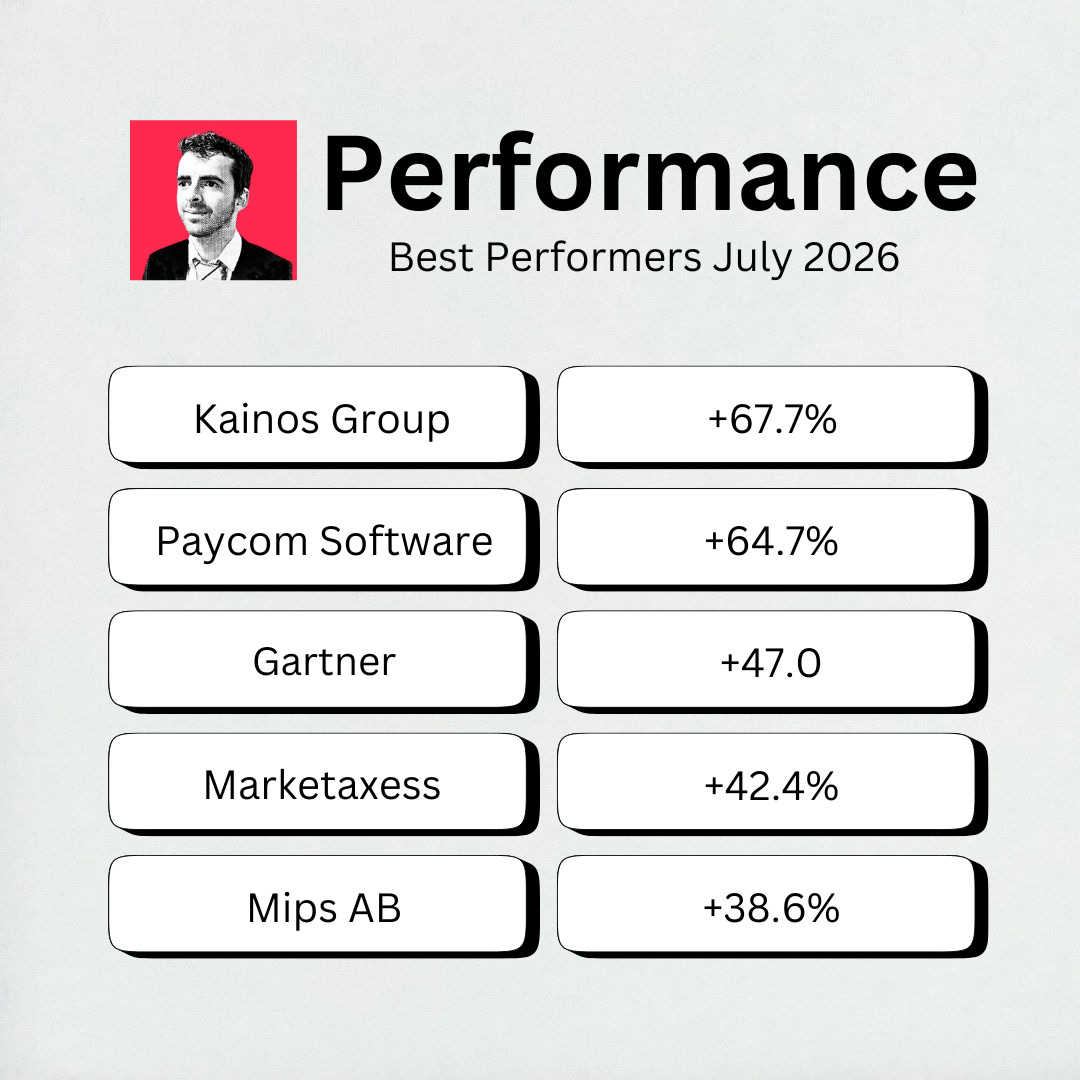
Best performers
These stocks did well over the past month:
❄️ Spotlight: Watsco ($WSO)
How does the company make money?
Watsco is the largest distributor of HVAC/R (heating, ventilation, air conditioning, and refrigeration) equipment, parts, and supplies in North America.
It’s the distribution link between major equipment manufacturers (OEMs) and over 120,000 independent contractors and technicians.
Watsco is active in three segments:
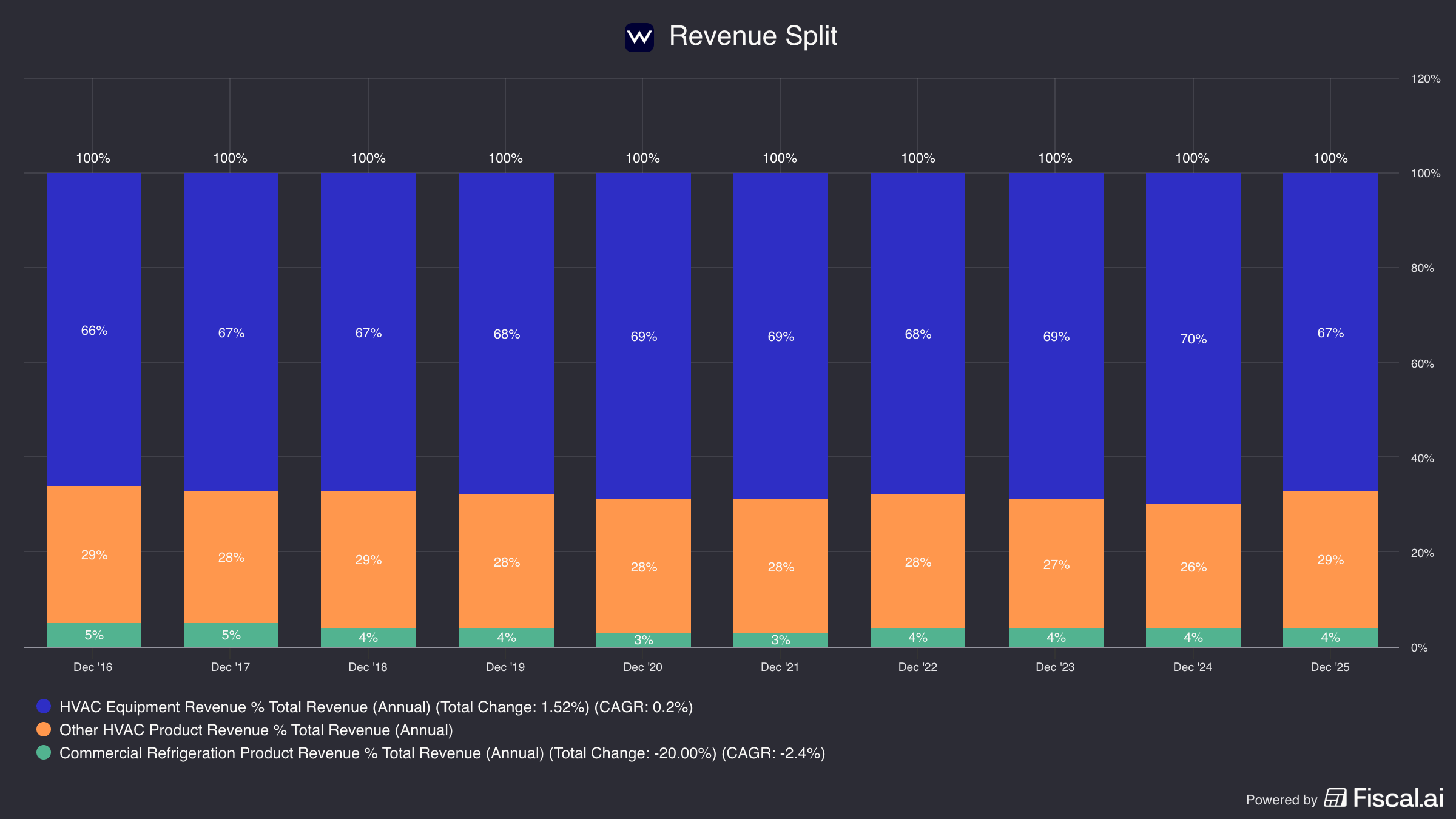
HVAC Equipment: Residential central air conditioners, heat pumps, furnaces, and commercial heating and cooling systems.
Other HVAC Products: Everything a contractor needs to install, maintain, or repair a system. It covers replacement parts (like motors, coils, and compressors), thermostats, ductwork, copper tubing, refrigerants, insulation, tape, and tools.
Commercial Refrigeration: Walk-in coolers, freezers, ice machines, and supermarket refrigeration systems used primarily by restaurants, grocery stores, and the food/beverage industry.
The revenue split looks as follows:
What’s interesting?
70%-80% of sales are emergency replacements & repairs.
This means these sales are at least somewhat recurring.
When something breaks down, the most important thing for contractors is how easily and quickly they can get the parts, not what they cost.
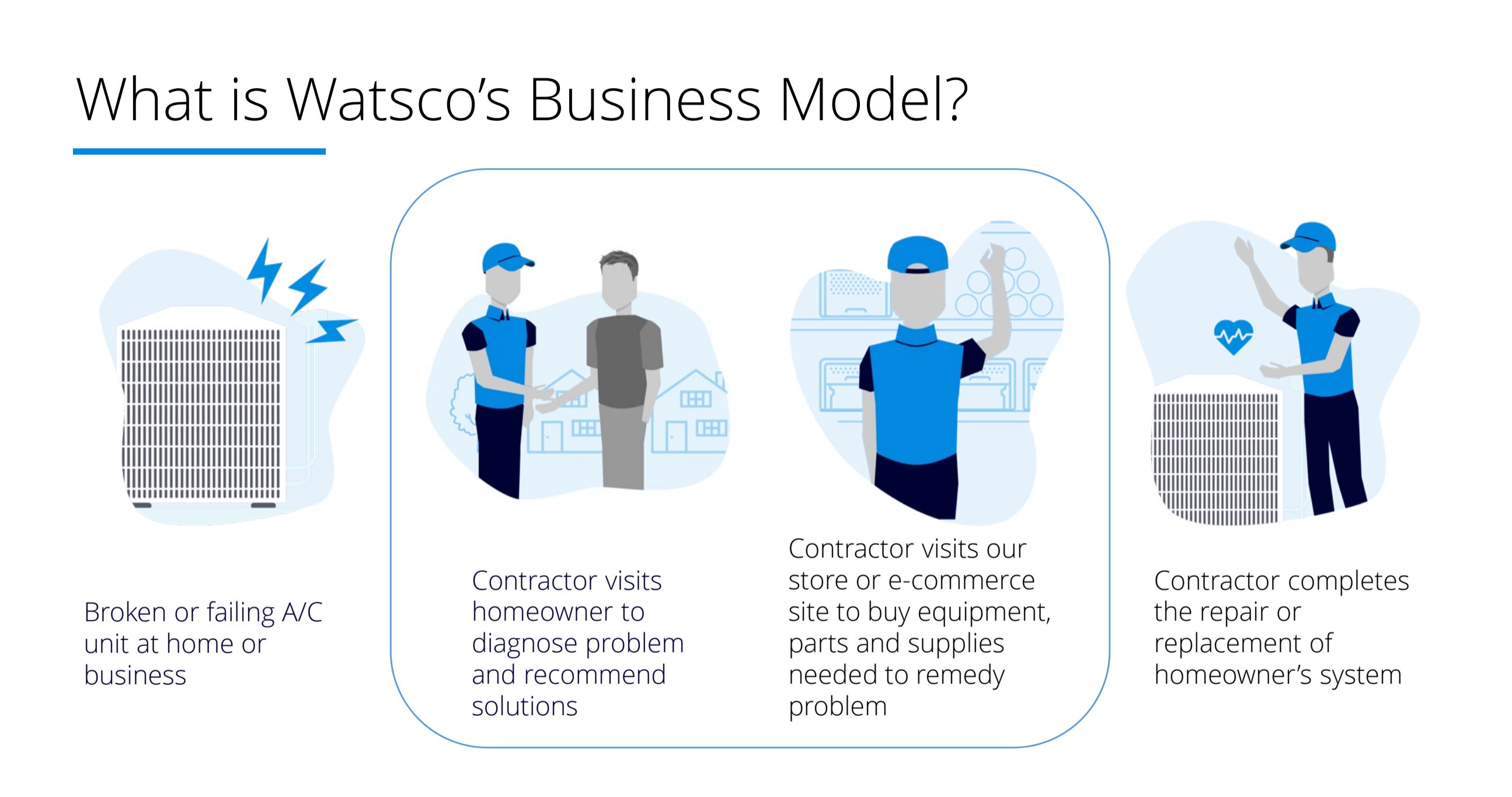
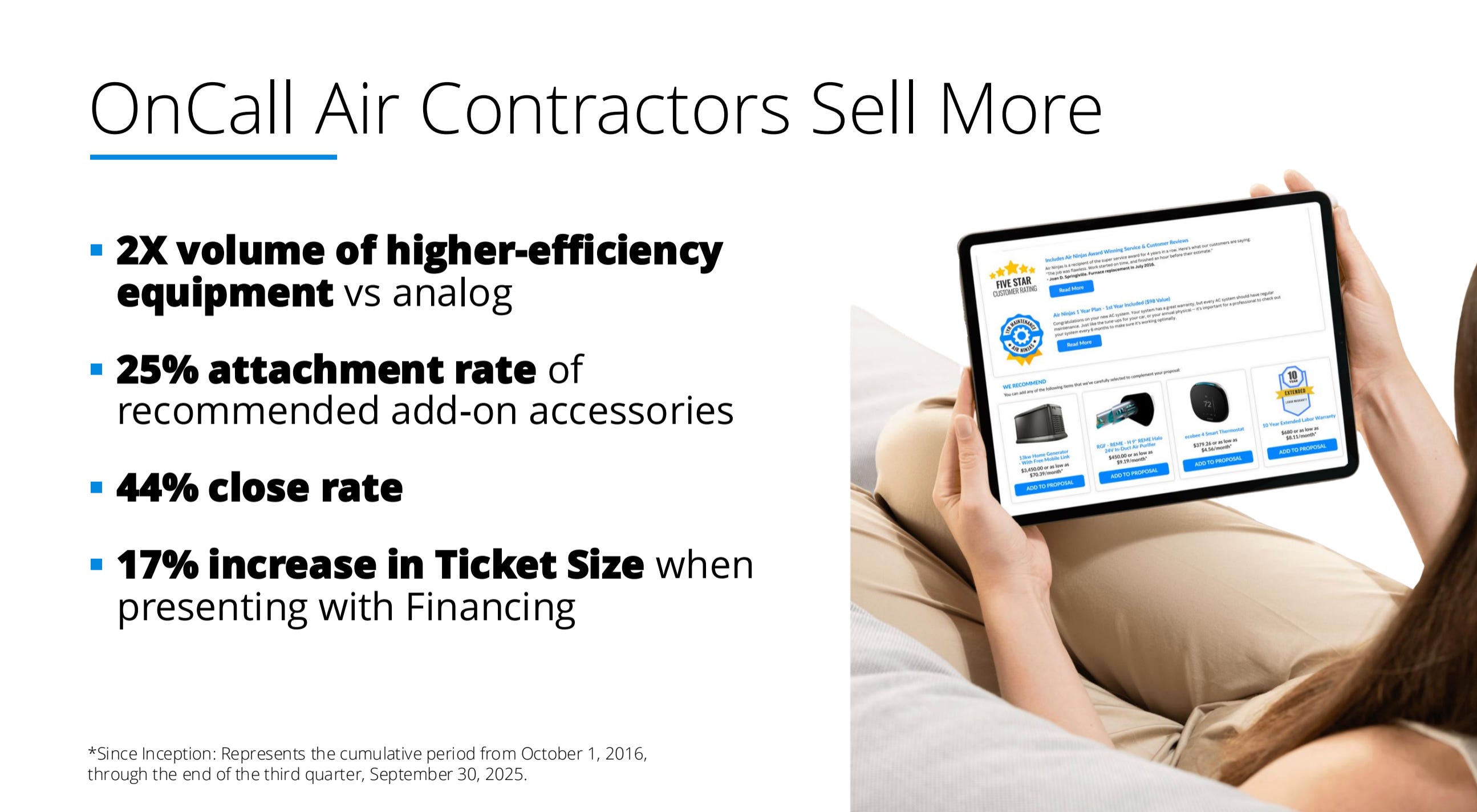
One of Watsco’s biggest advantages is its digital platforms.
They help contractors:
Find and order the right parts
Create quotes for customers
Complete more jobs
This helps contractors increase their profits.
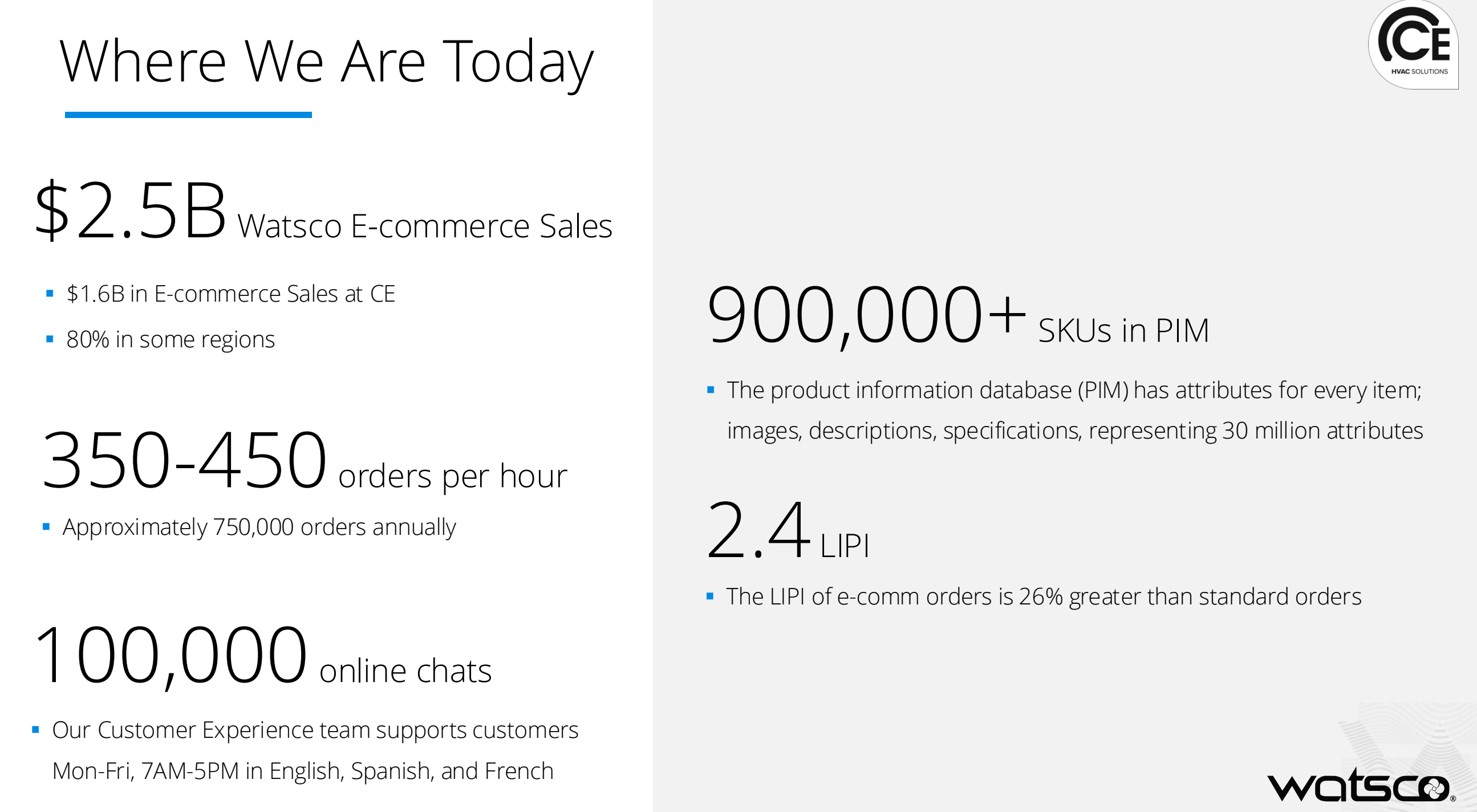
Today, e-commerce sales generate one third of their total revenue:
More Room to Grow
Beyond its e-commerce platforms, Watsco has several other advantages.
Watsco is a large serial acquirer active in a highly fragmented industry:
They sell about 1 in 5 residential systems.
There are 2,000+ regional distributors in North America.
Watsco isn’t even active in all 50 states yet
Management sees Watsco as a business that’s still being built.
I think they’re right.
Fundamentals
The fundamentals of Watsco look very strong:
✅ Asset-Light: Watsco requires almost no capital to operate
✅ Balance Sheet: They have very little debt
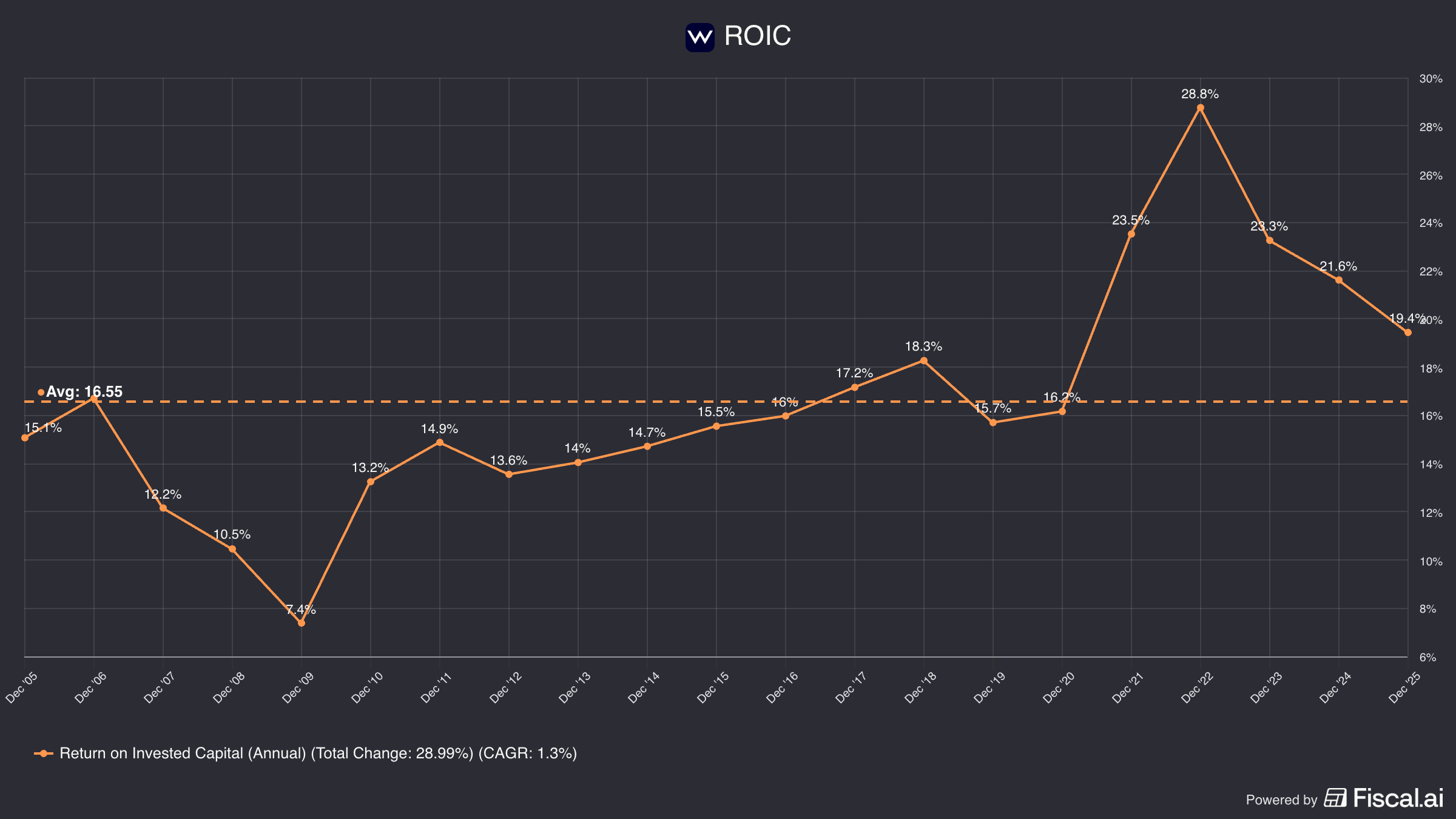
✅ ROIC: Consistently generates 15%+ Return on Invested Capital
✅ Value creation: The stock is up nearly 12,000% since 1990.
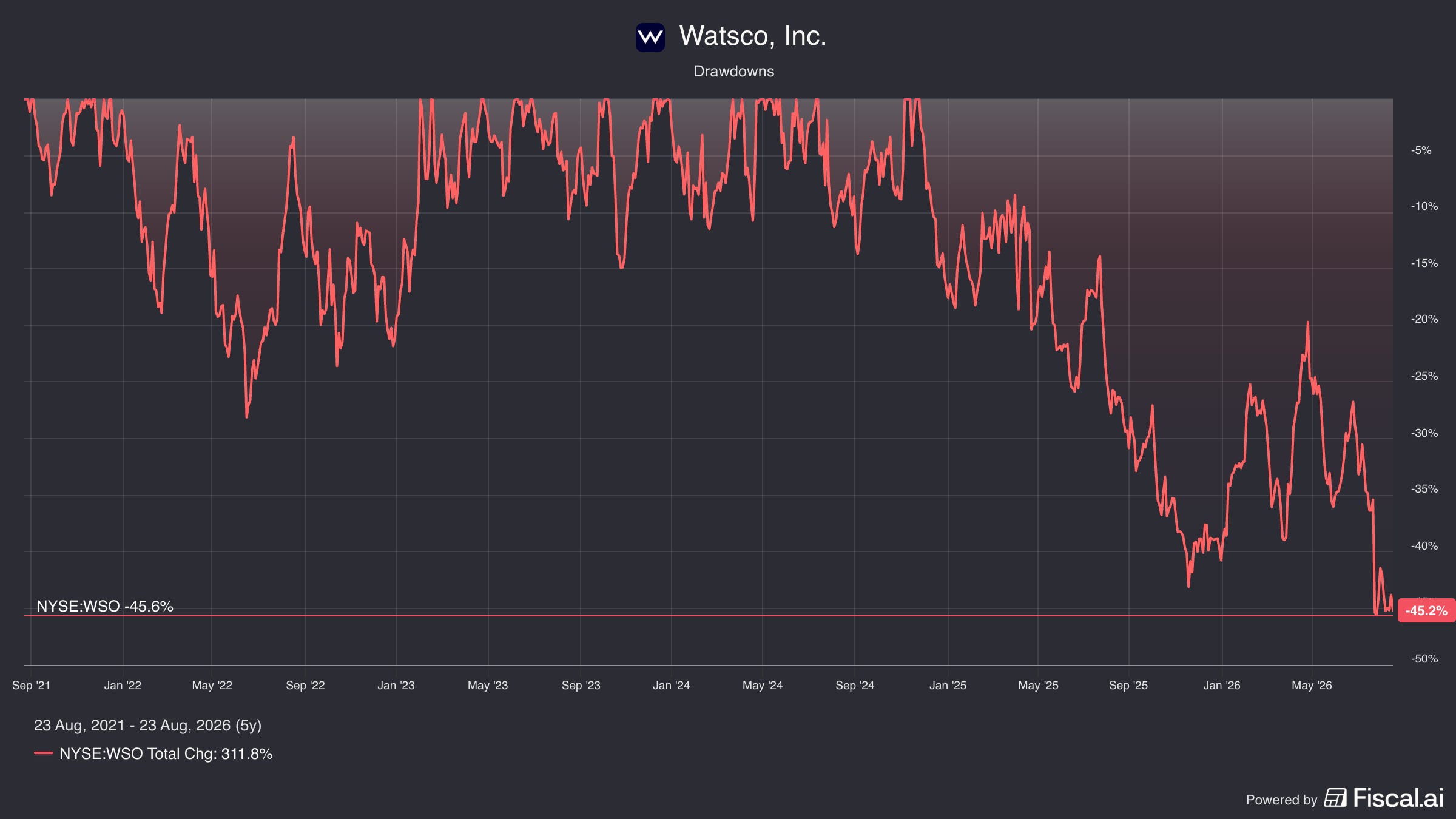
At the same time, Watsco is down over 45% from its peak:
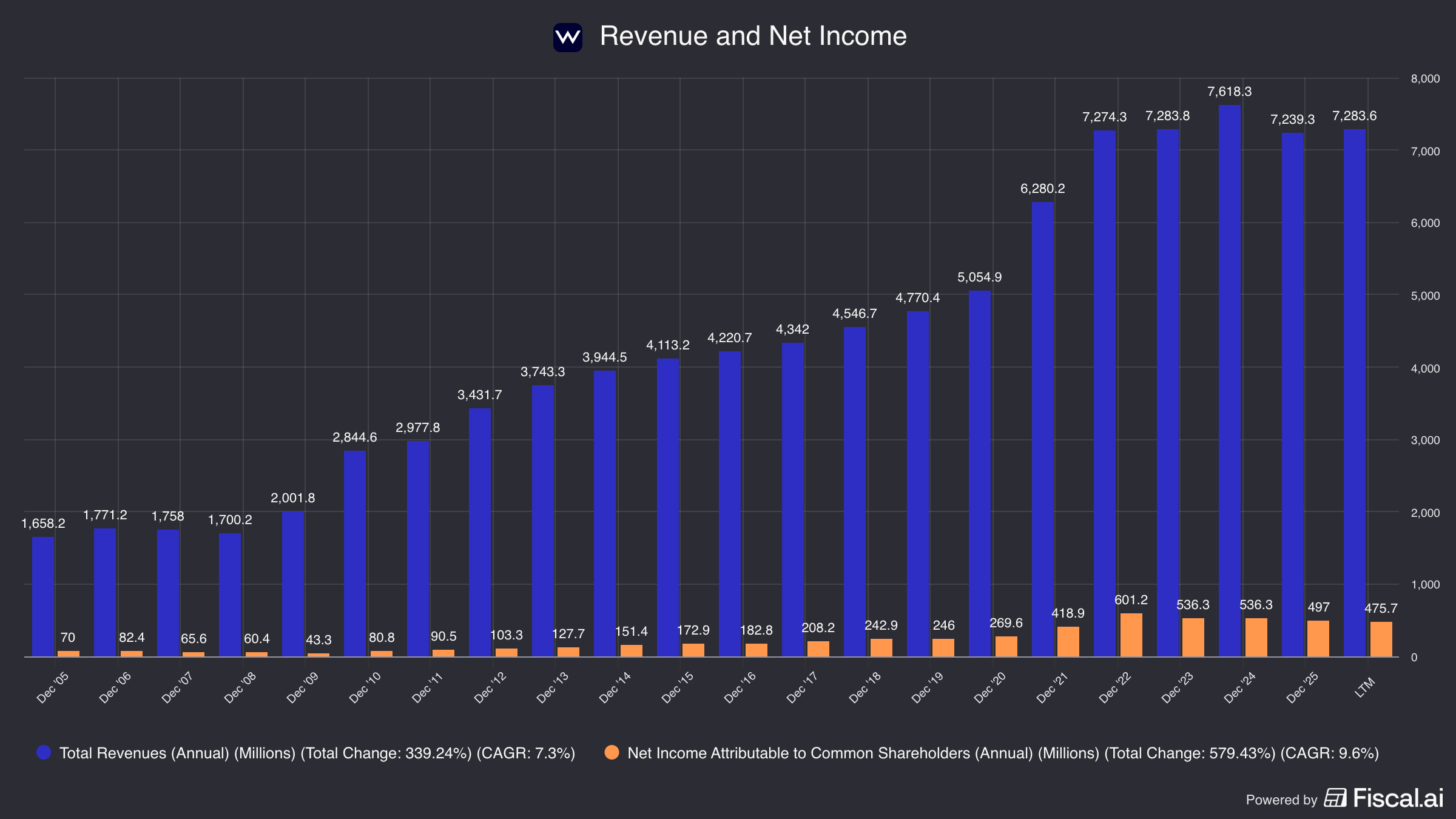
The market doesn’t like that revenue and net income have fallen over the past few years:
However, this isn’t a problem with the underlying business.
Instead, three temporary headwinds hit at the same time:
COVID Pull-Forward: High demand during the pandemic made sales unusually strong. Dealers also ordered too much inventory and had to work through it when demand returned to normal.
A2L Refrigerant Transition: The switch to new refrigerants disrupted supply chains and temporarily boosted demand.
OEM Pricing Normalization: Manufacturers raised prices sharply after the pandemic. This temporarily boosted Watsco’s sales and profit margins.
Management has long-term targets of $10 billion in revenue and 30% gross margins.
If we assume a 8% Net Profit Margin is realistic, this would translate into $800 million in Net Income.
At a FWD PE of 25x, this means the company should be worth $20 billion ($800 million x 25) by then.
That’s an upside potential of 56% compared to the current stock price.
Best Buys August 2026
Let’s now dive into our five favorite buys for the month.
These are our favorite stocks that aren’t in Our Portfolio today.
In other words: these stocks are the most likely to be added to the Portfolio right now.
As a reminder, you have access to Our Portfolio here.
5. Hermès International ($RMS.PA)
How does the company make money?
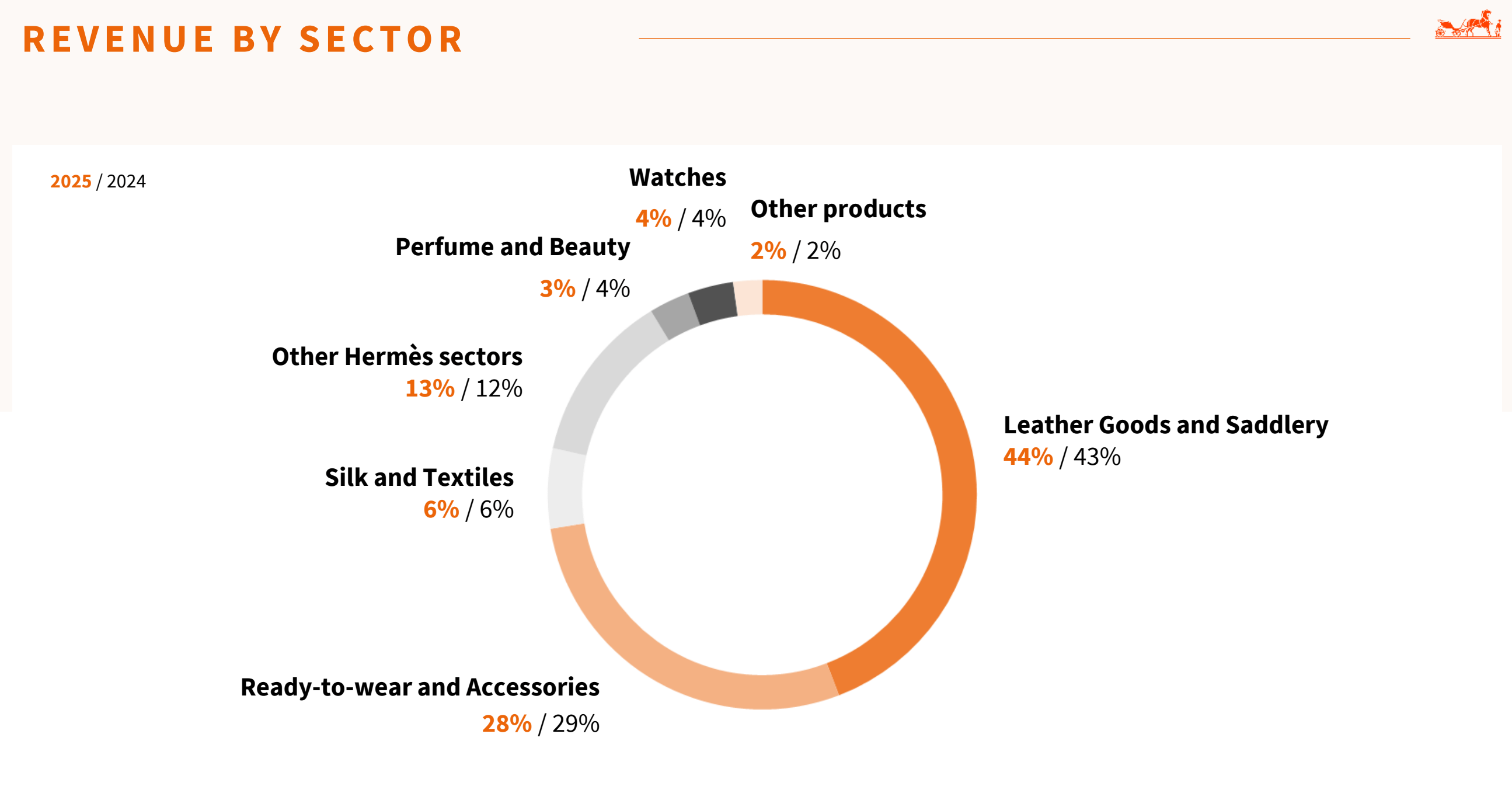
Hermès designs, manufactures, and sells ultra-luxury goods across 16 product métiers.
Think about handcrafted leather goods (such as the Birkin and Kelly bags), silk scarves, ready-to-wear fashion, perfumes, and watches.
Hermès runs on exclusivity.
They intentionally make fewer products than customers want.
This means they don’t need to offer discounts, sell through outlets, or hold excess inventory.
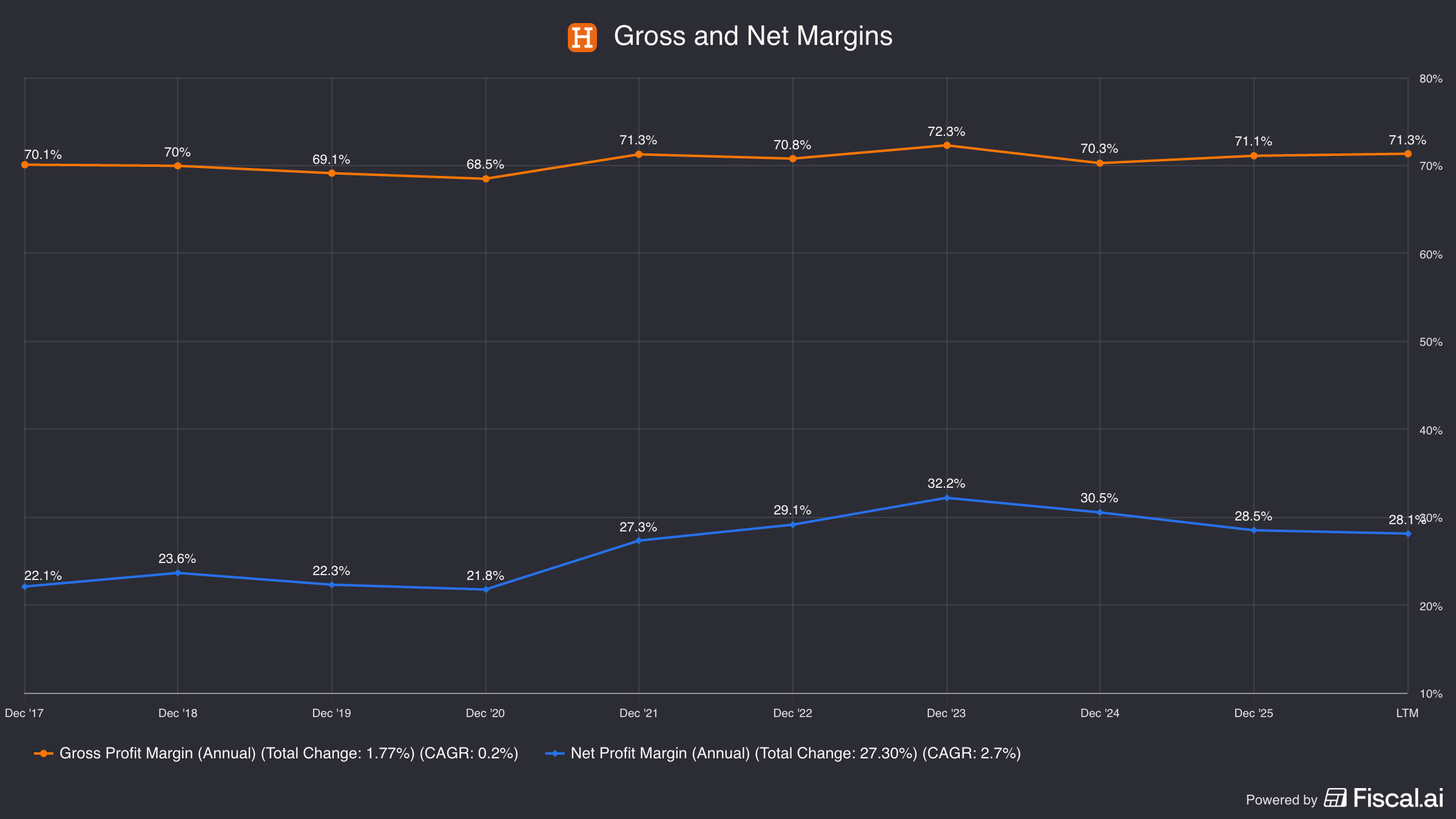
As a result the company operates at very high margins.
Demand for Hermès bags is so high that pre-owned bags often sell for more than new ones.
Would you pay $42.700 for a handbag?!

Another thing we love?
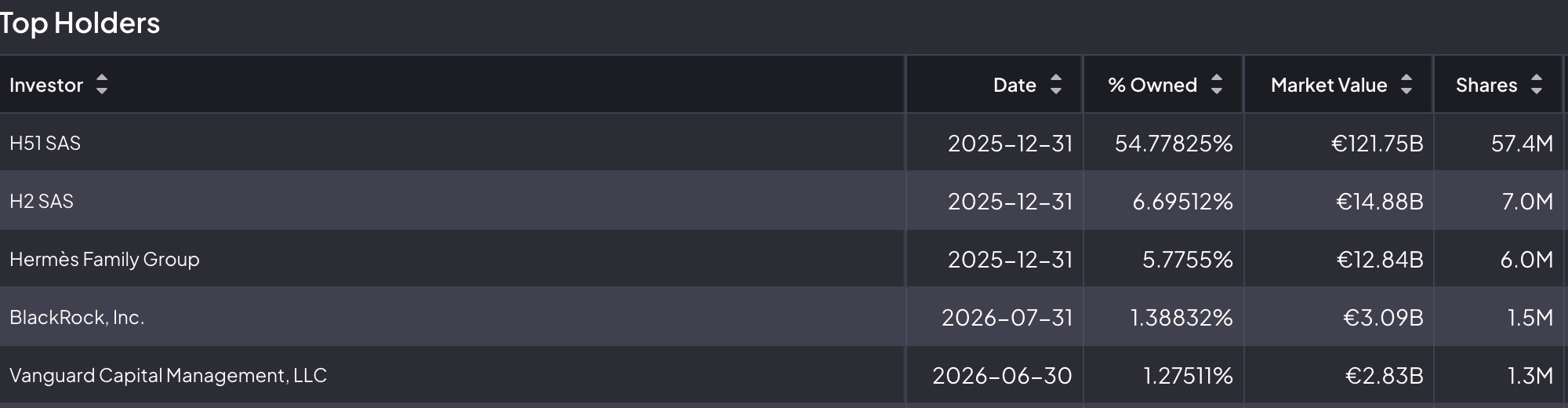
The founding family controls more than 65% of the equity.
This gives them serious skin-in-the game.
It’s a strong incentive to protect the brand equity that has been built over generations.
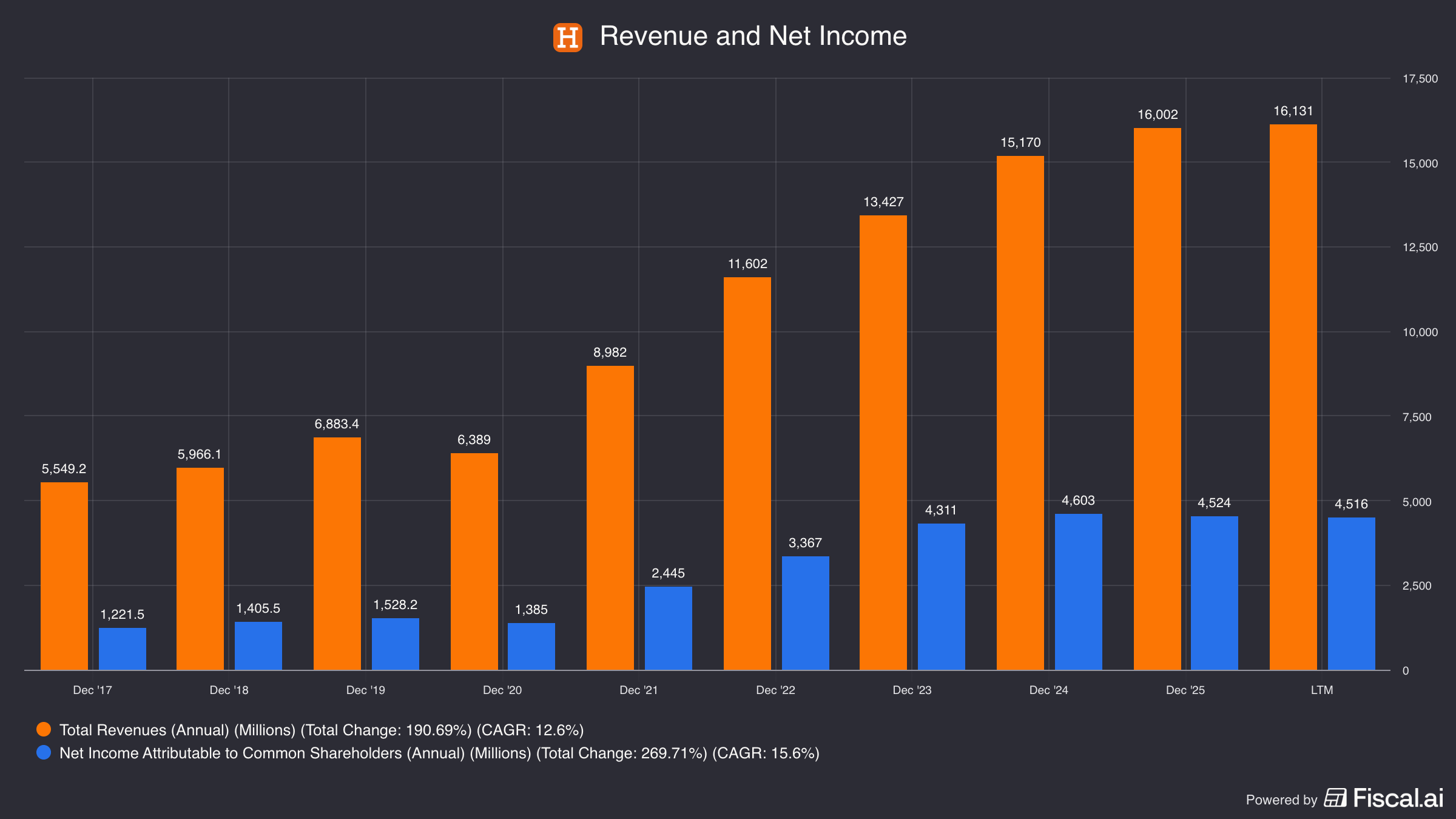
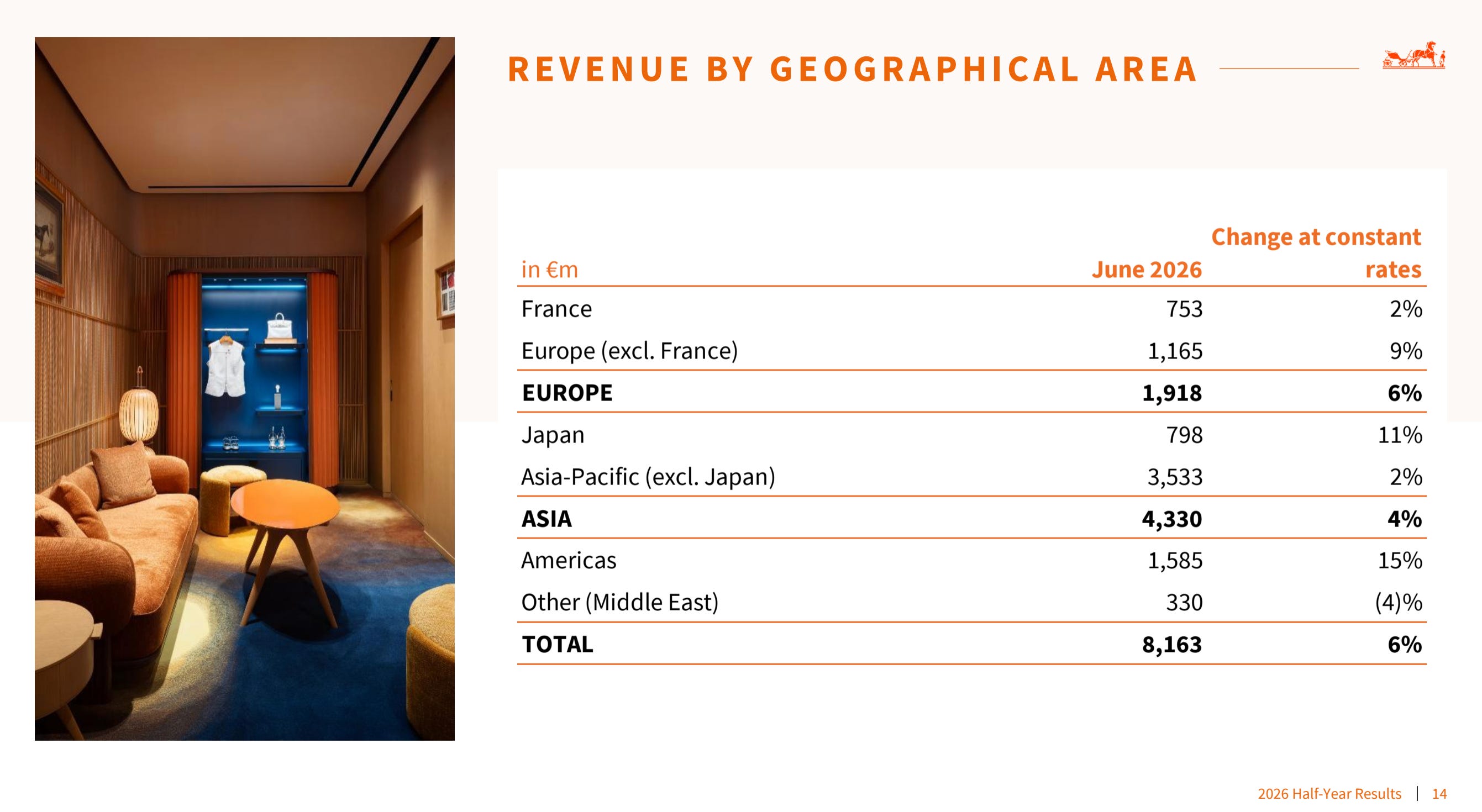
In 2026, Revenue and Net Income has slowed a little bit:
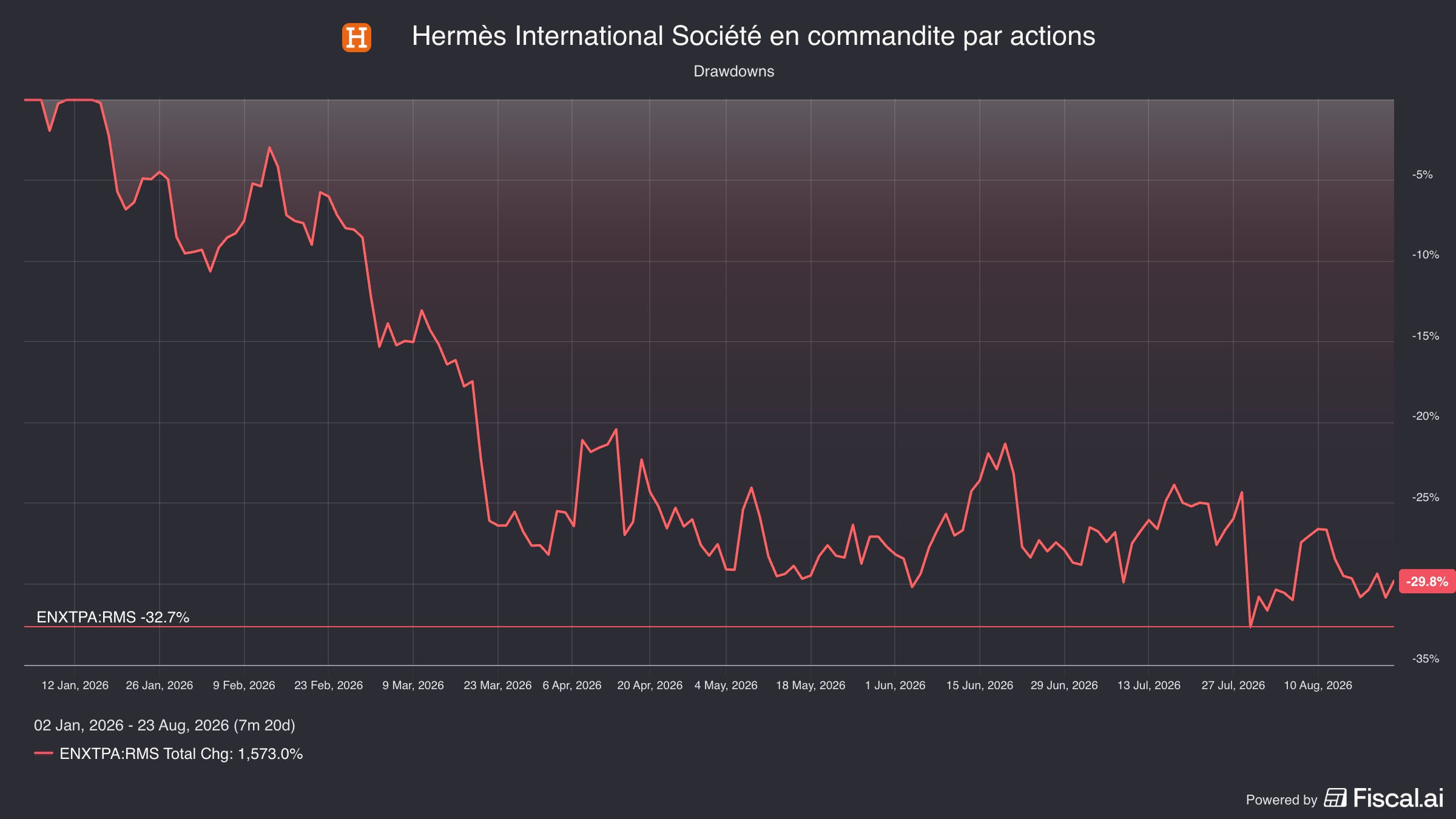
As a result, the stock is down nearly 30%:
But much of the slower growth comes from currency headwinds.
On a constant-currency basis, the underlying business is still growing.
To summarize:
Hermès is one of the strongest brands in the world
It’s family-run
Incredibly profitable
After years of being very expensive, the valuation e is finally coming down to more reasonable levels
4. Canadian National Railway ($CNI / $CNR.TO)
How does the company make money?
Canadian National Railway operates a 19,500-mile transcontinental rail network. It is the only railroad in North America connecting the Atlantic, Pacific, and Gulf coasts.
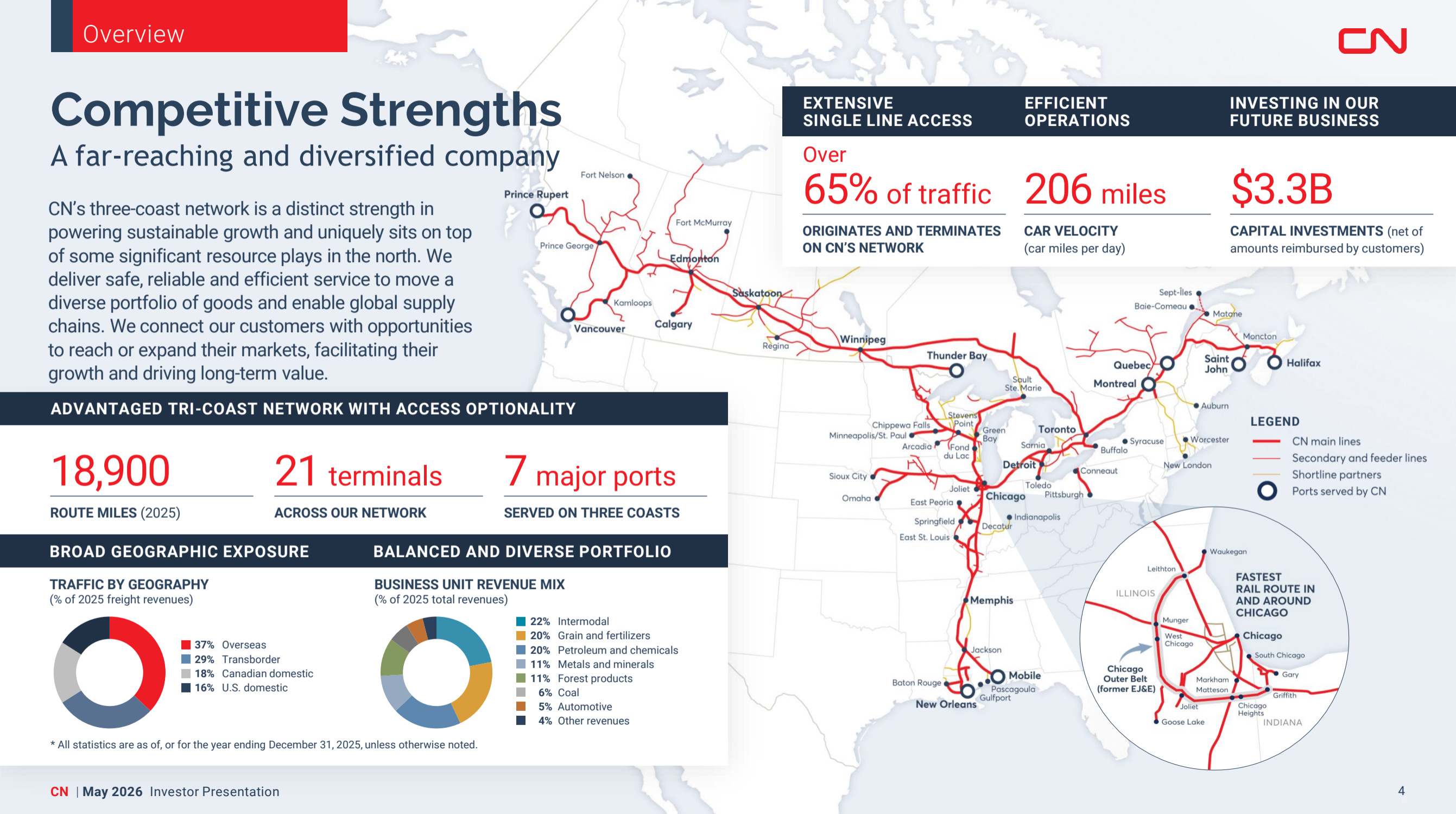
The most interesting thing? Railways are natural monopolies.
Because of the cost of land, zoning restrictions, and environmental permits, no new competitor will ever be built.
Trains are also the cheapest way to move heavy freight.
They use 4x less fuel than shipping by truck, which gives them a huge cost advantage.
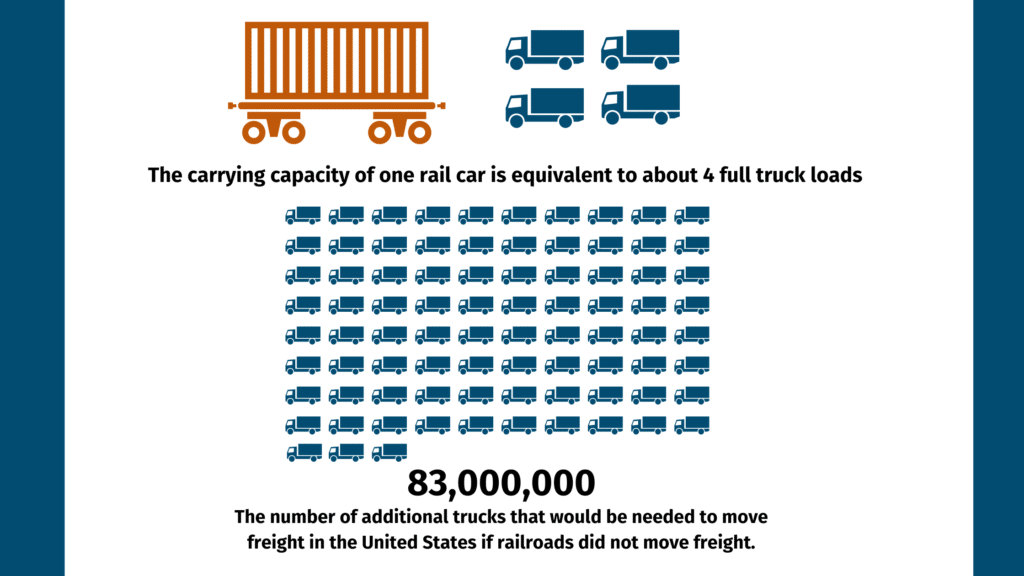
If you need to move heavy goods long distances by land, you’ll use trains whenever possible.
That’s why Canadian National Railway has been able to raise freight rates at or above inflation through different economic cycles.
However, freight volumes have been falling for the past few years.
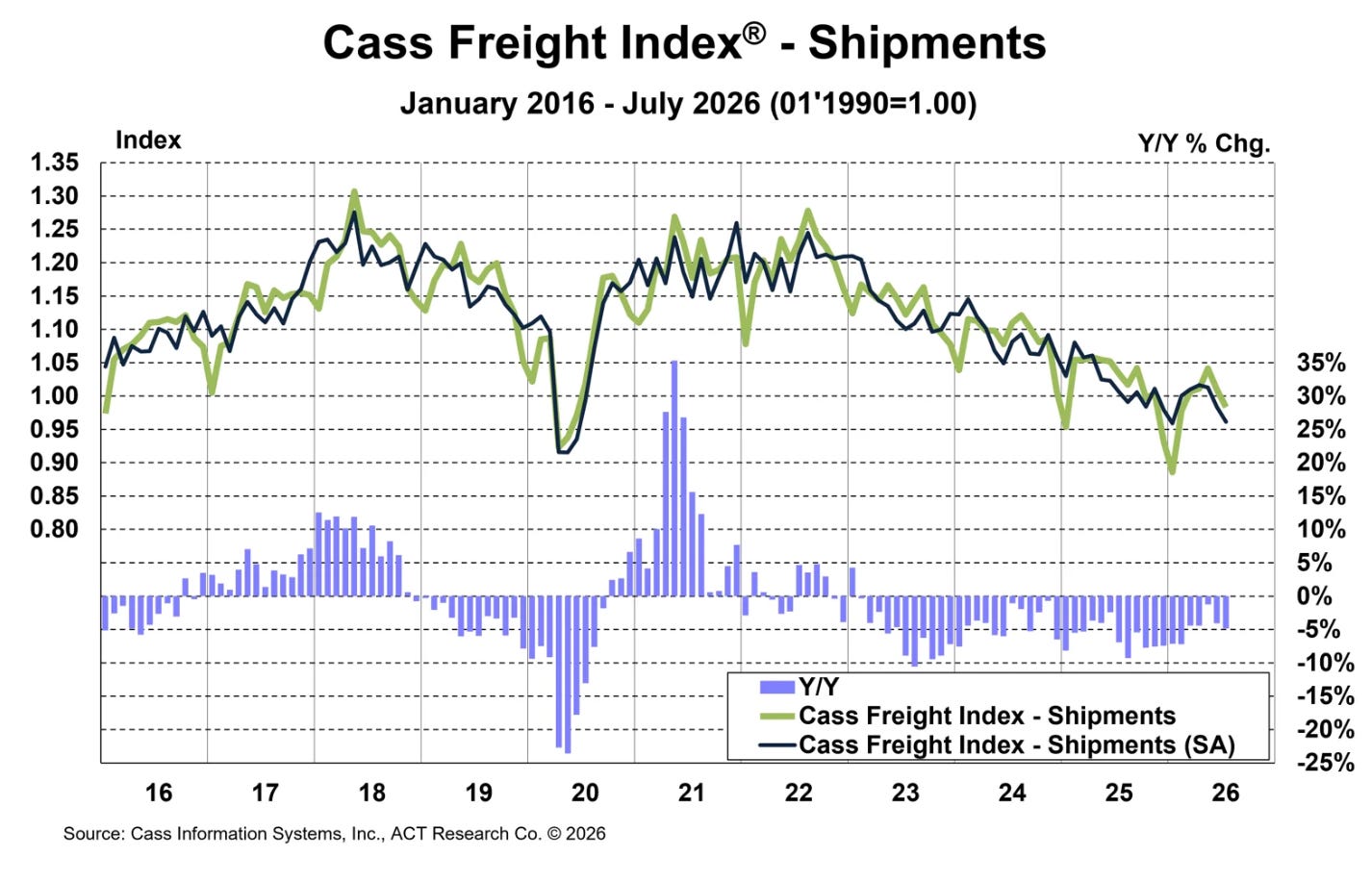
Luckily, CNR has been able to keep making their railroad more efficient.
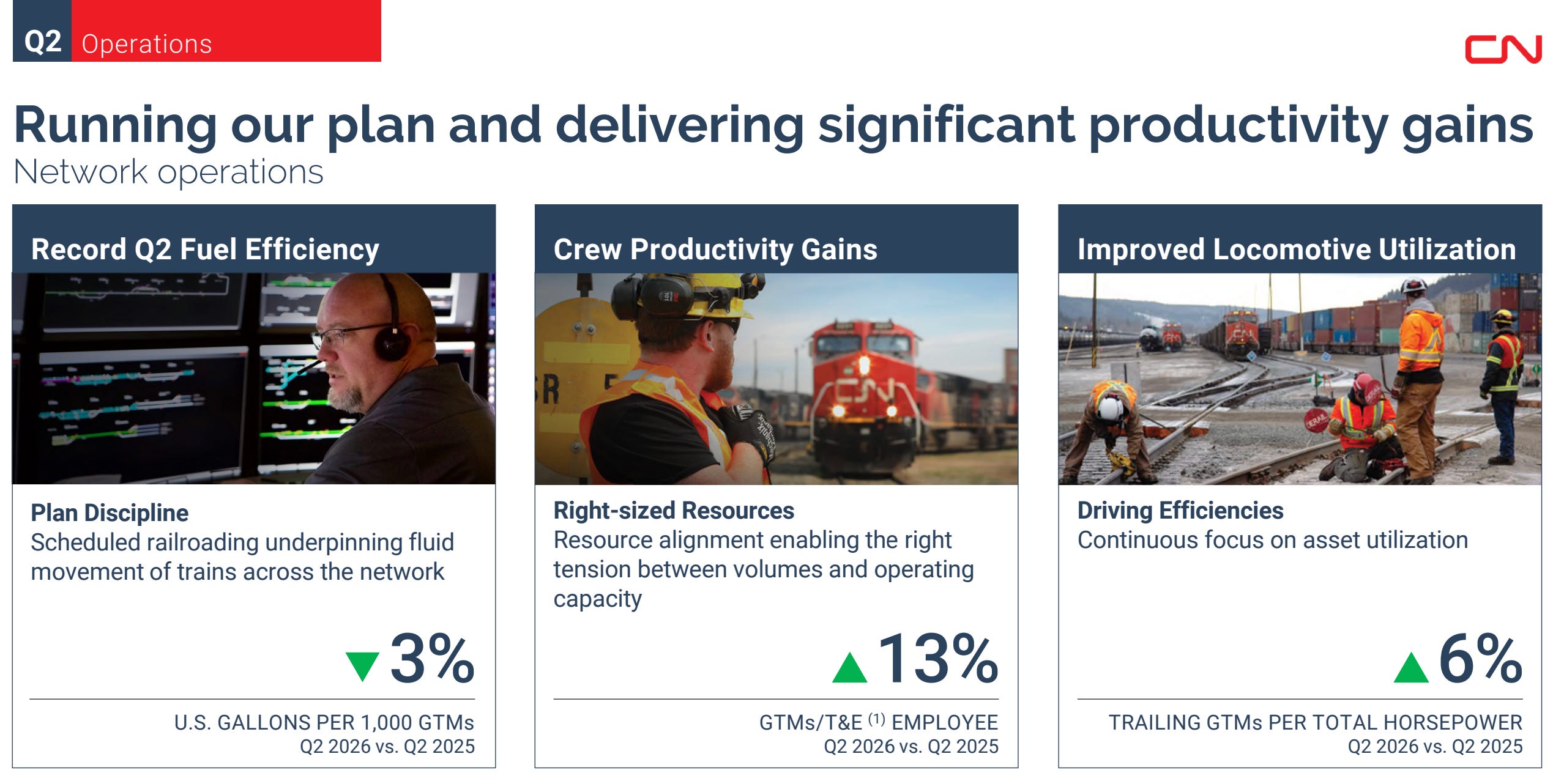
That’s why management just raised guidance on their Q2 earnings call.
For long-term investors, this might be an interesting time to look at CNR.
The company will seriously benefit from any improvement in North American freight volumes.
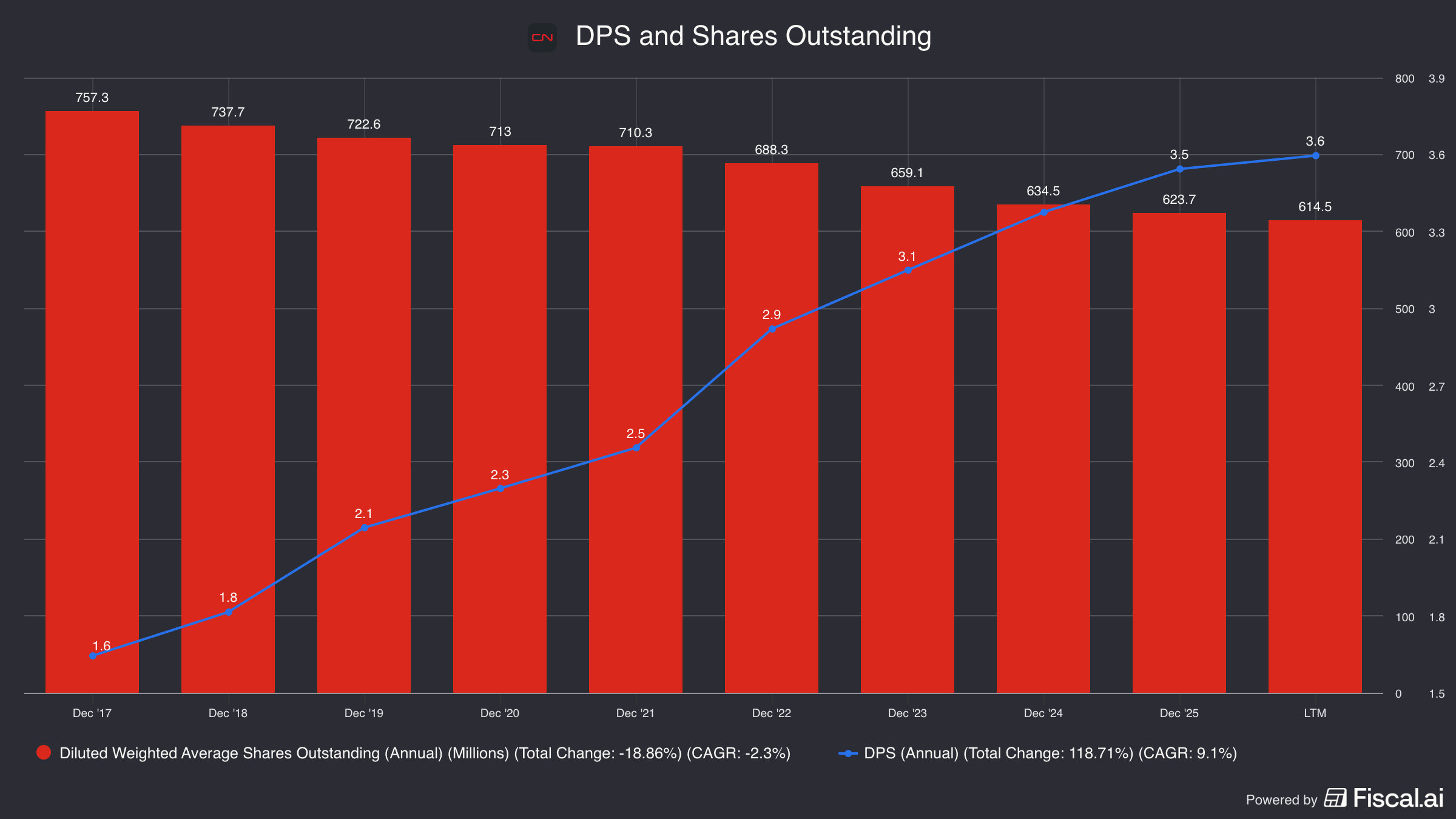
Management has historically returned a lot of cash to shareholders.
This through both dividends and buybacks.
Now let’s dive into the top 3.
