

Are you ready for G-Day? Meet the man who just won Compounding Quality readers $300,000… by picking 6 different growth stocks that more than doubled… Discover everything you need to know here.
By monthly tradition, you’ll get an update on our Best Buys of the month.
What’s going on in the markets? And what are our favorite stocks?
Let’s inspire you today.

October 2026
Last month, the S&P 500 decreased by -1.8%:
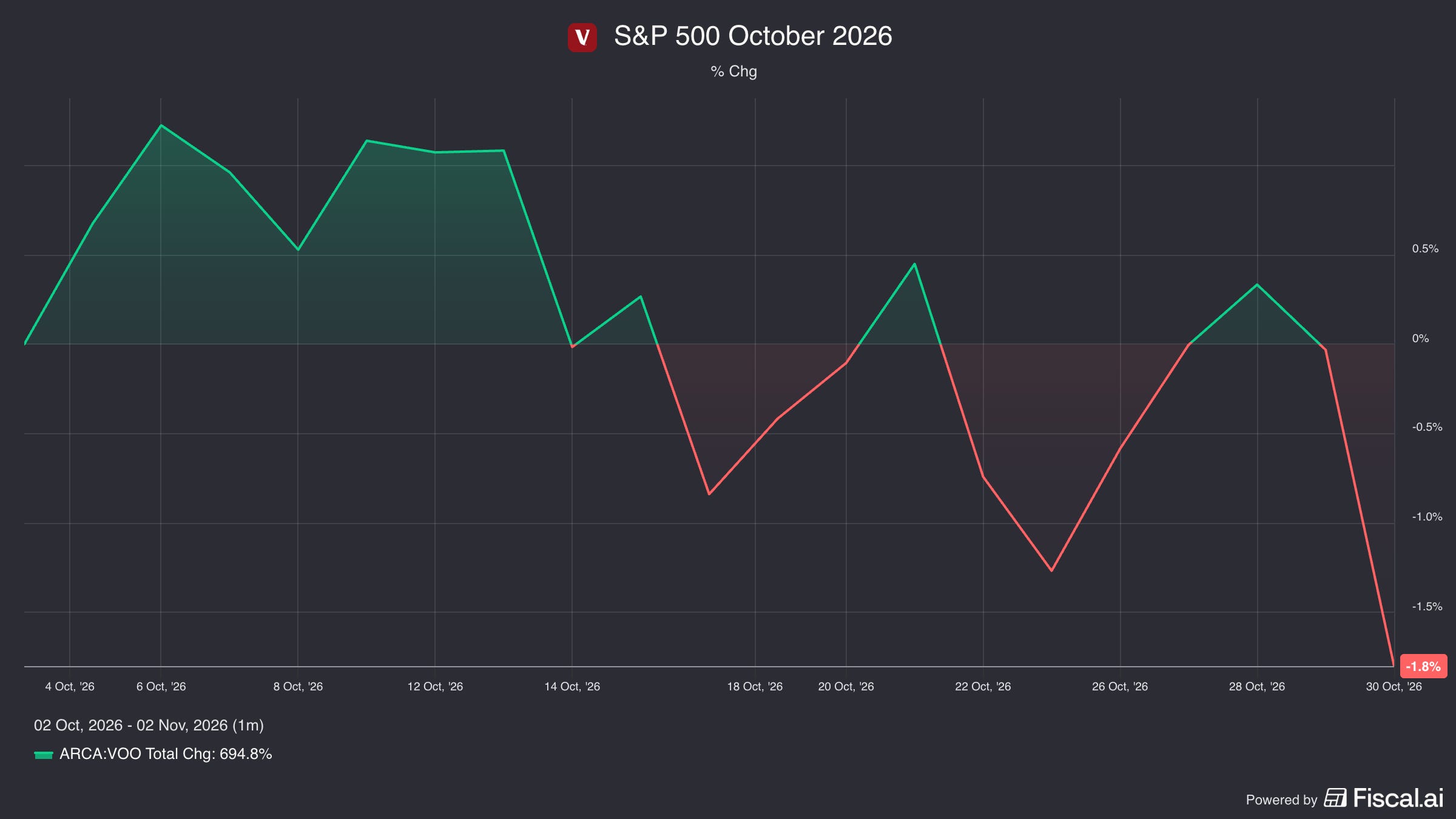
Source: Fiscal.ai
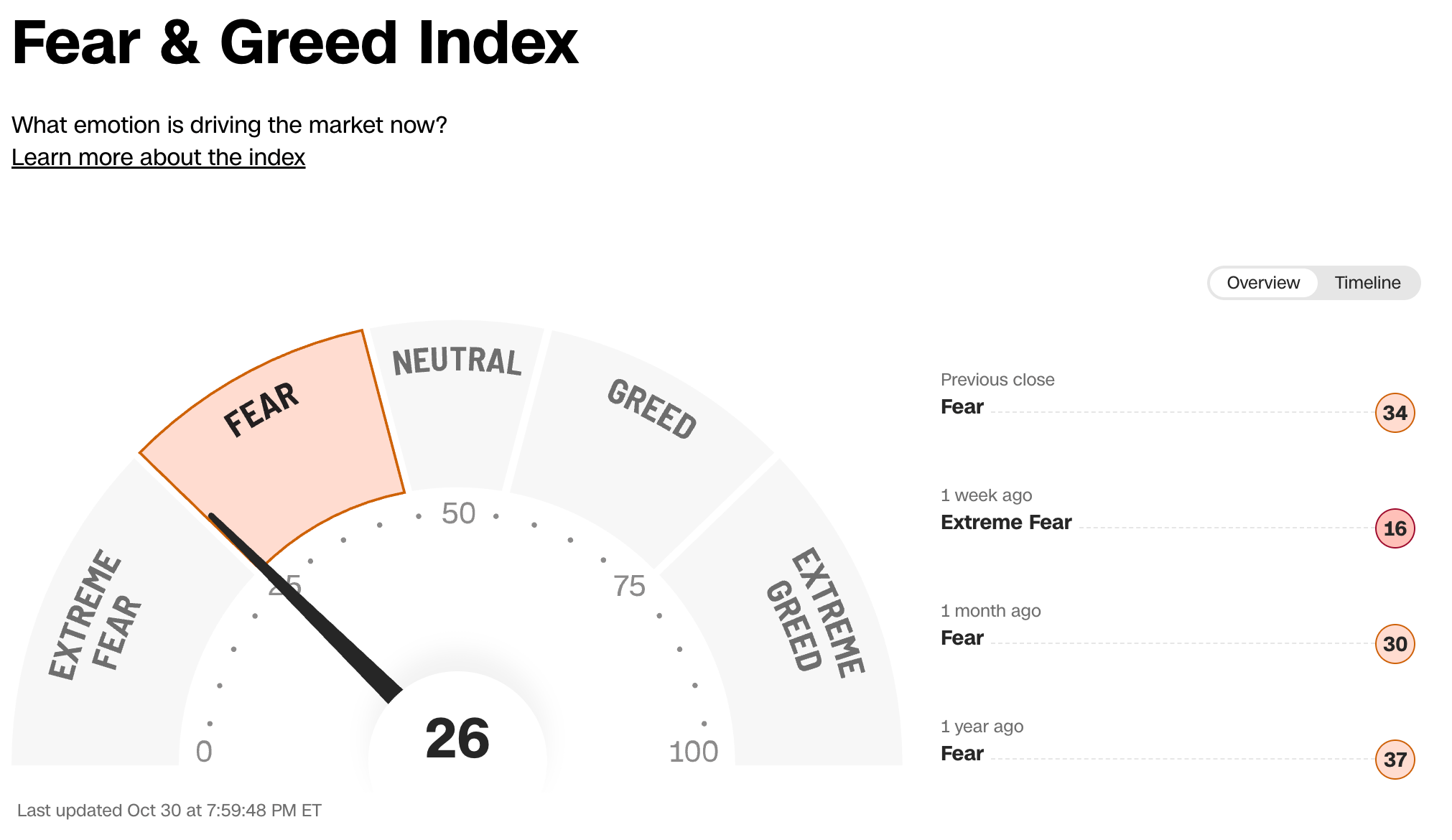
Investors are ‘Fearful’ today according to the Fear & Greed Index:
In the meantime, quality stocks had one of their best months ever.
The discrepancy in the market currently is remarkable.
As Donald Trump ‘lost’ the midterms, the discrepancy became even wider.
Just look at some of our stocks recently:
Fairfax Financial: +26.1% in the past month
Brookfield Corporation: +16.1% in the past month
Best & Worst Performers
This overview shows you the best and worst performers in our investable universe.
Worst performers
The cheaper we can buy great companies, the better.
Here are the worst performers of the past month:
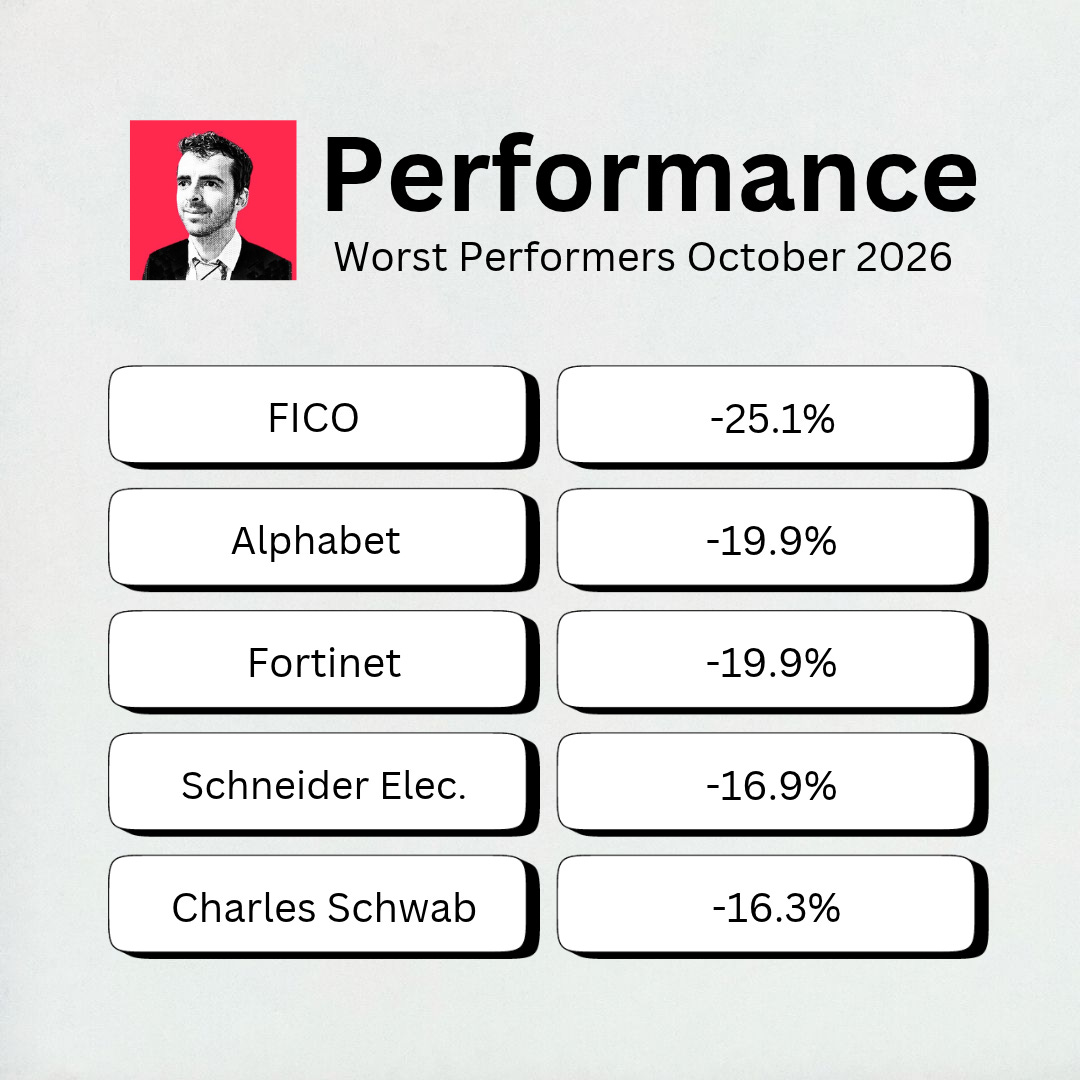
Fair Isaac ($FICO) continues to have a very hard time.
They are losing their monopoly and the stock gets heavily punished for this.
Alphabet ($GOOG) starts to become interesting if you ask me.
Best performers
These stocks did well in the past month:
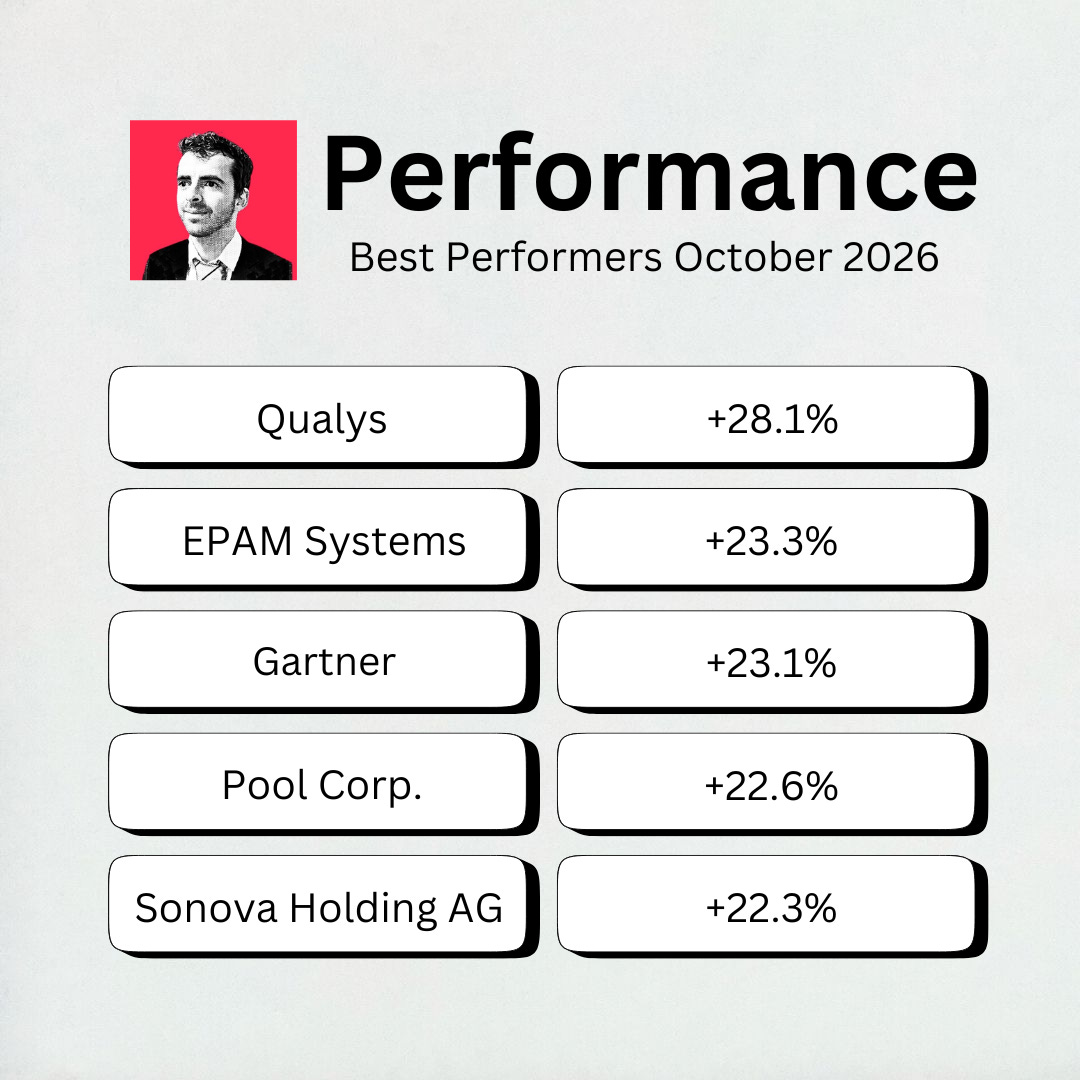
Qualys is doing amazing.
The stock is up +142% in the past 6 months.
🏦 Spotlight: Adyen ($ADYEN.AS)
How does the company make money?
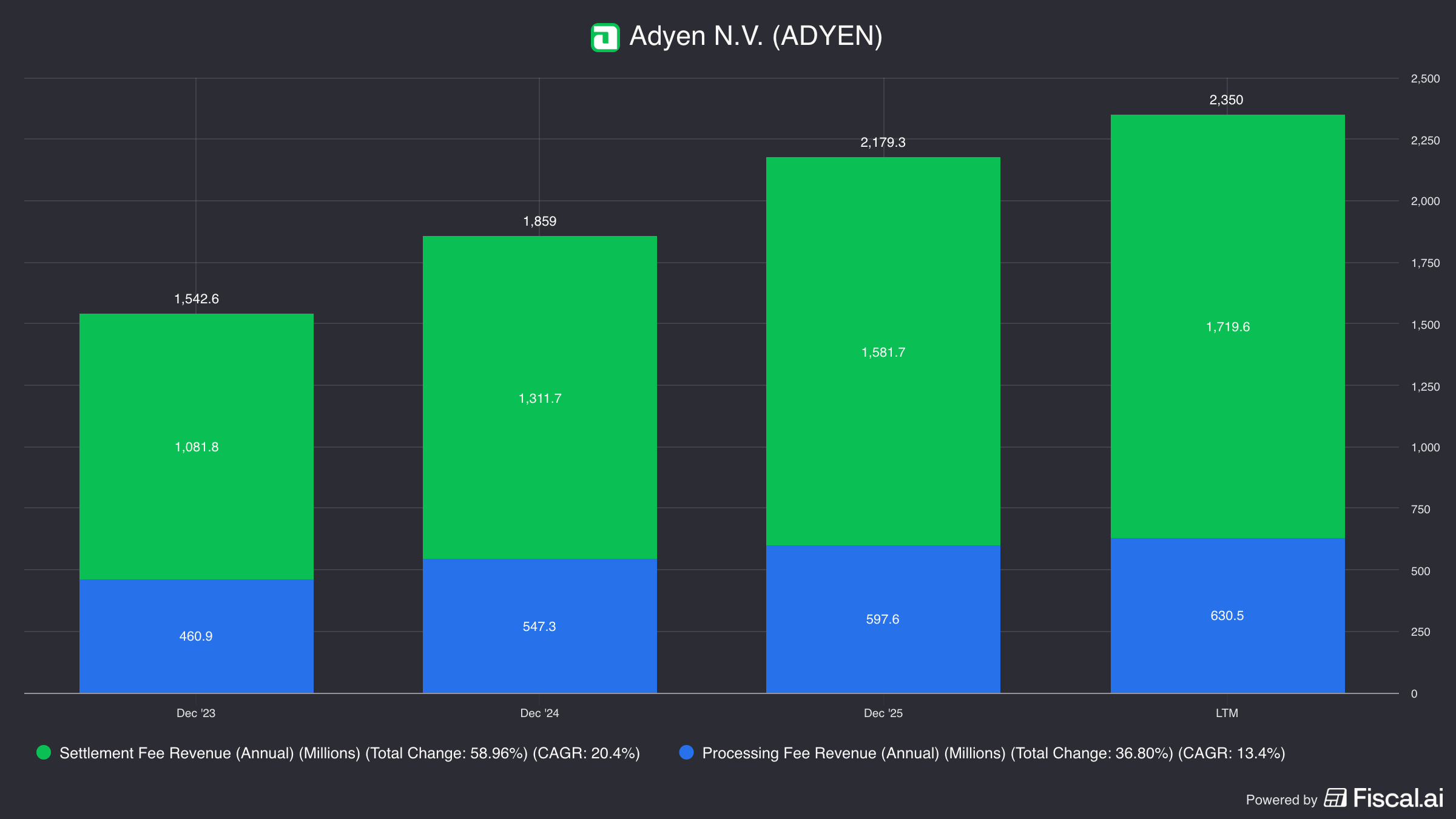
Adyen processes payments between merchants, card networks, and banks through a single unified platform, taking a small percentage or fee on every transaction.
Historically, processing a payment required a messy web of gateways, risk managers, and local acquiring banks.
Adyen replaced all of that with a single, unified platform that handles the entire payment flow from checkout to final settlement, anywhere in the world.

Adyen makes money in two main ways:
Settlement Fees: A small percentage of the total transaction value.
Processing Fees: A fixed fee for every transaction routed through their system.
Why is it an interesting company?
Adyen’s moat is its unified technology stack.
Competitors grew by acquiring other companies, which means they run on a patchwork of outdated legacy code.
Adyen built their entire payment system in-house.
Recently, however, the company completed its first two acquisitions:
Talon.One: a customer loyalty and promotions platform
Orb: an AI-powered enterprise billing system.

The goal is to transform Adyen from a payment processor into a full commerce platform.
By adding billing and loyalty capabilities, the company enables merchants to manage payments, revenue, billing, and customer loyalty in one integrated system.
It will increase the already high switching costs that Adyen has.
In addition to switching costs, the company enjoys network effects.
Every payment helps Adyen approve even more transactions.
It also helps them detecting fraud earlier.
It’s a flywheel:
More customers → better data → better results → even more customers
Companies that use Adyen enjoy the following:
Higher sales
Less fraud
Lower payment costs

An Interesting Opportunity
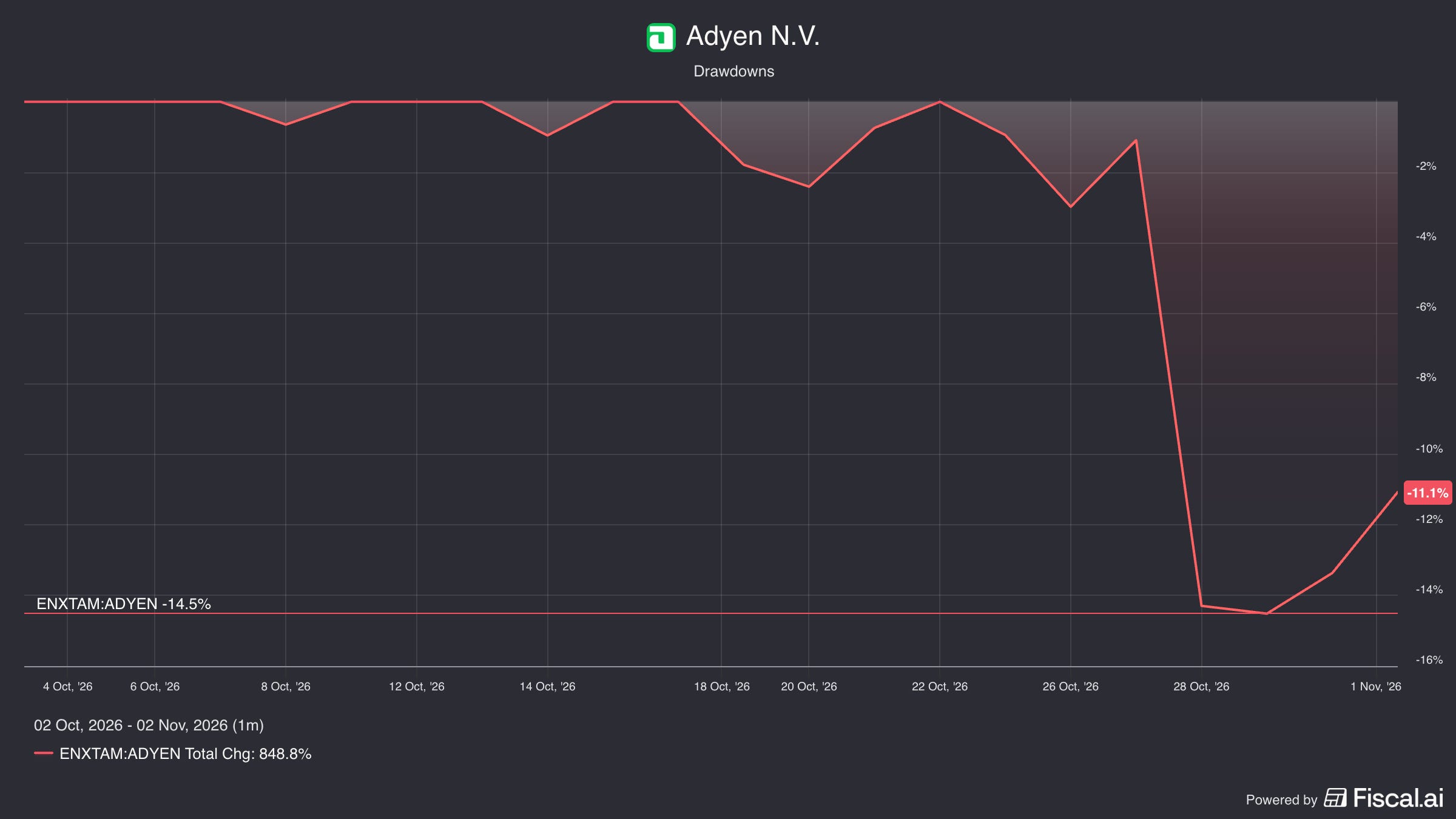
Adyen was down nearly -15% in October after management lowered its 2026 EBITDA margin guidance to 50%.
The reason for the lowered guidance?
Management is choosing to reinvest more capital as they see high-conviction growth opportunities.
Why Adyen is spending more
Increased demand: Merchant demand for their recent Talon.One and Orb acquisitions is exceeding expectations. Enterprise customers want to run payments, usage-based billing, and in-store loyalty programs on one unified platform.
Investing in people: To capture this increase in demand, Adyen is aggressively hiring 1,000 to 1,100 specialized engineers and go-to-market leaders, primarily in North America.
The business is still projecting 21% to 23% revenue growth this year.
Management have dropped the margin target because they are true owner-operators.

They have a long-term view and are sacrificing a few percentage points of margin today to expand their total addressable market.
That gives Adyen even more runway to compound capital over the next decade.
Are you ready for G-Day?
Meet the man who just won Compounding Quality readers $300,000… by picking 6 different growth stocks that more than doubled…
Discover everything you need to know here:

Best Buys October 2026
Let’s now dive into our five favorite buys for the month.
We shuffle things around a little bit this month.
We are focusing on amazing companies that we would love to own, but are quite expensive at this point in time.
5. Cintas ($CTAS)
How does the company make money?
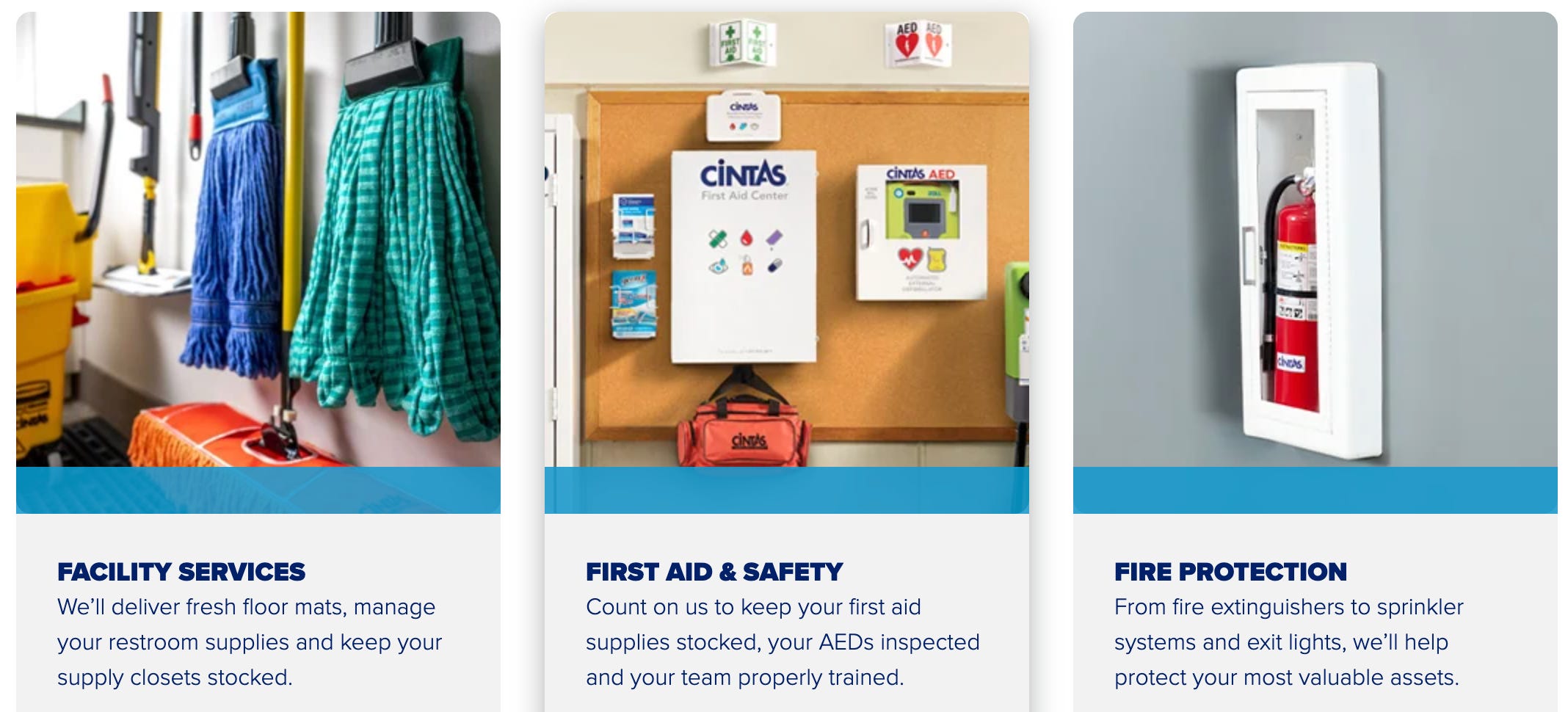
Cintas provides corporate uniforms, restroom supplies, and safety equipment to businesses across North America.
When a business contracts Cintas, the truck shows up every week to drop off clean uniforms and floor mats.
They also take the dirty ones away.
That makes it easy to cross-sell things.
Think about fire safety, first aid, and hygiene services to the same customer base.
Cintas’ competitive advantage comes from their size.
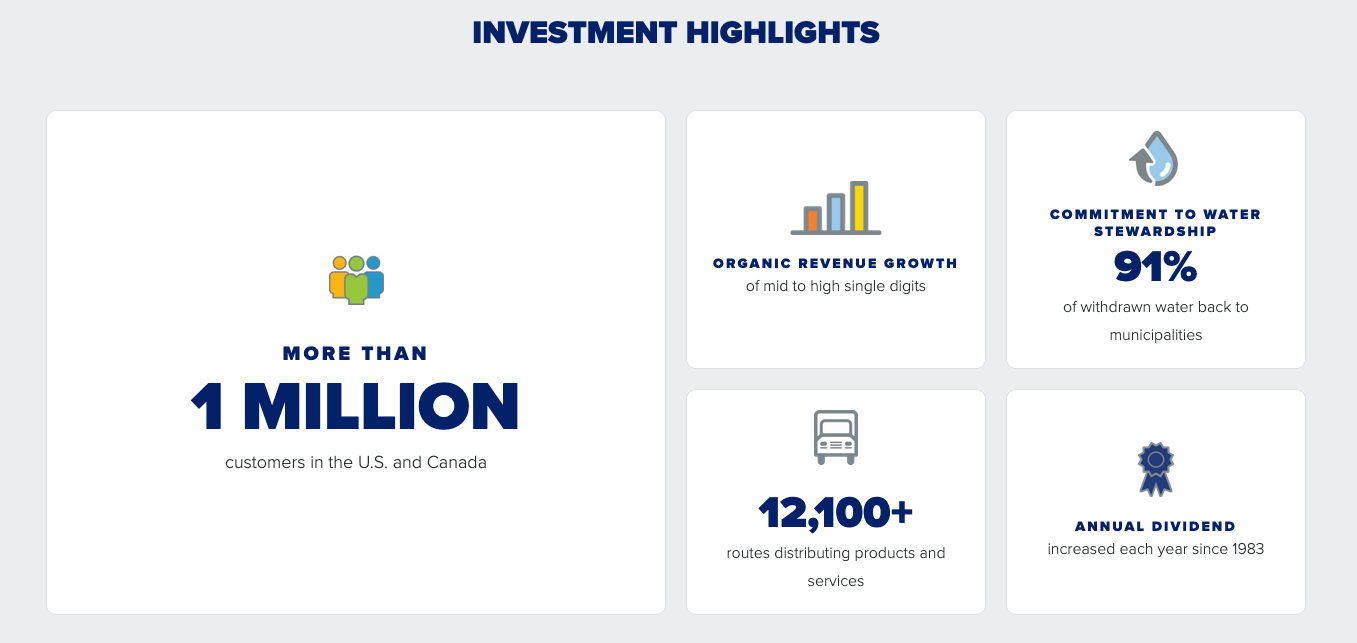
The company has a high route density.
It means they have a lot of customers in the same areas, so their trucks spend less time driving than their competitors.
This makes them incredibly efficient and allows them to generate consistently high Returns On Invested Capital.
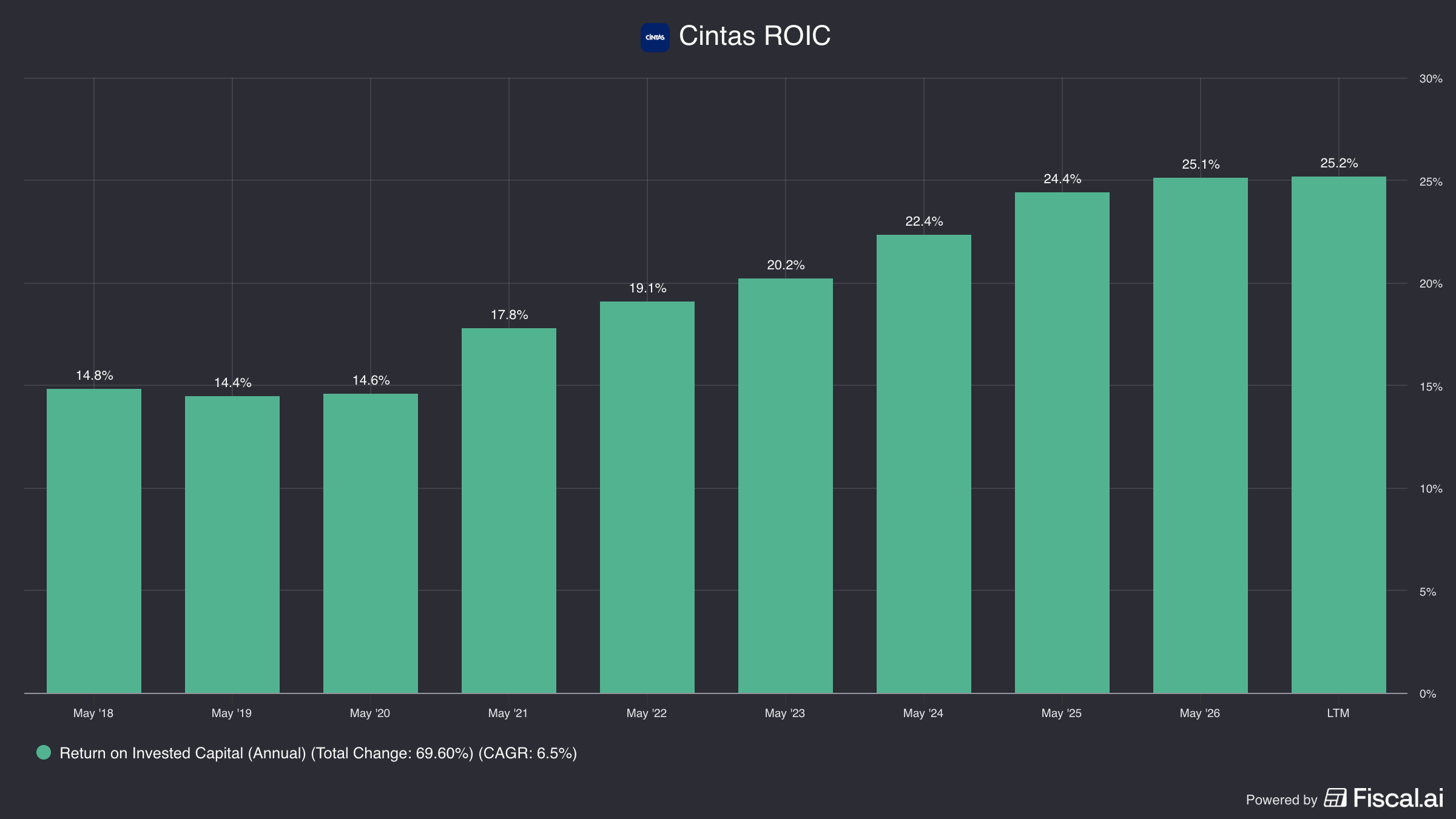
It is a boring business that prints cash.
4. ASML ($ASML)
How does the company make money?
ASML builds the massive, complex lithography machines required to manufacture the world’s most advanced microchips.
If you want to produce cutting-edge semiconductors for artificial intelligence, smartphones, or data centers, you have to buy a machine from ASML.

They are the only company in the world that can make EUV lithography machines.
Peter Wennink, a former ASML CEO, said that EUV is the most sophisticated, complex machine humans have ever made.
Each ASML machine costs up to €200 million, and is so large that it takes seven (!) Boeing 747 planes to transport just one.
ASML is a true global monopoly.
They are also an interesting way to invest in AI.
It doesn’t matter which company wins the AI race.
They all need chipmakers, and those chipmakers can only buy their machines from ASML.
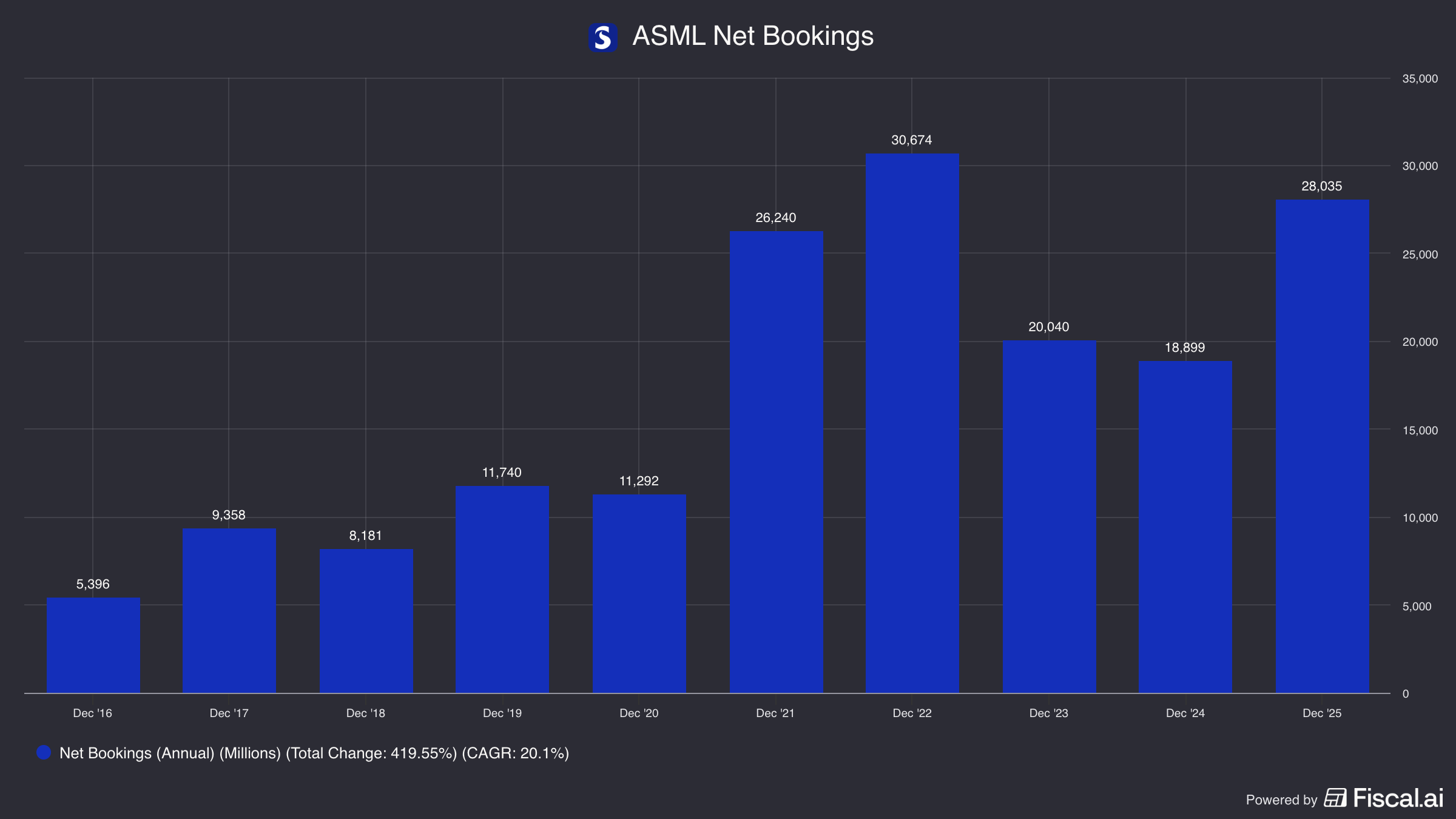
That’s why ASML has seen big jumps in demand in the past few years.
Now let’s dive in the top 3.
