

Hi Partner 👋
You want to invest in high-quality businesses.
But do you know what’s even better?
High-quality businesses that grow fast.
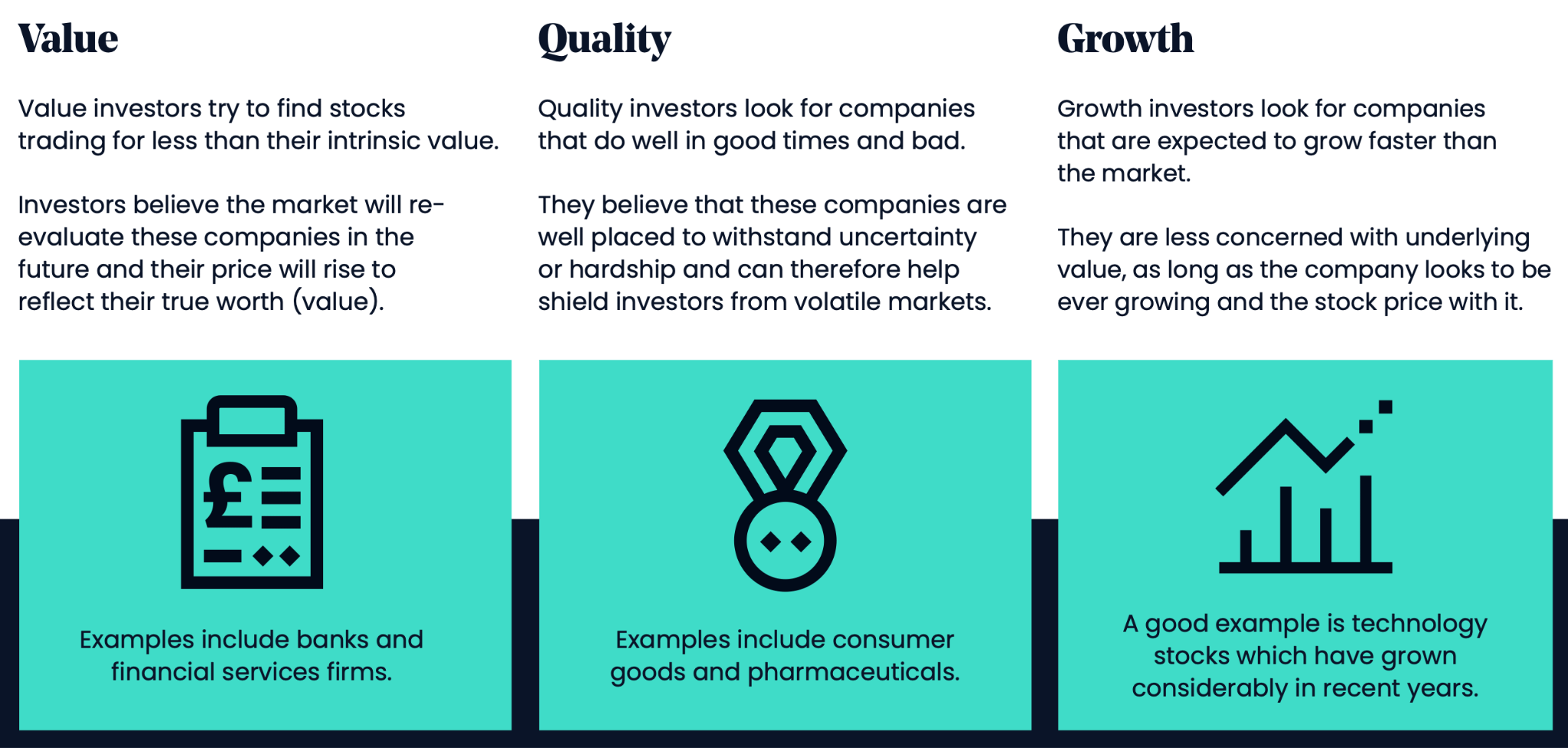
Quality versus Growth
Most investors see quality and growth as two separate things.
Quality ETFs often own excellent businesses that have already matured.
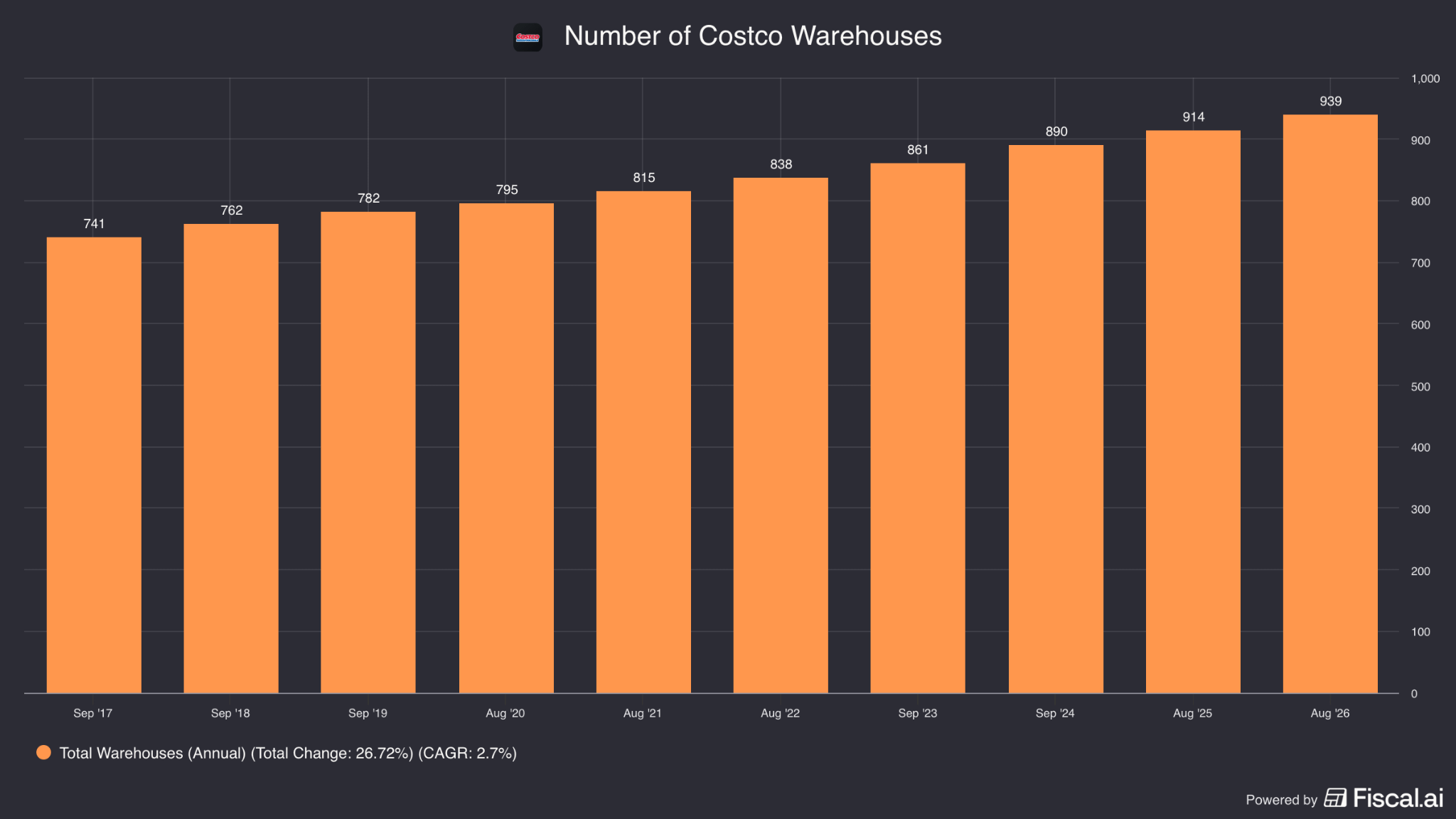
Take Costco ($COST).
It’s an amazing business.
But it doesn’t have much room left to open new warehouses.
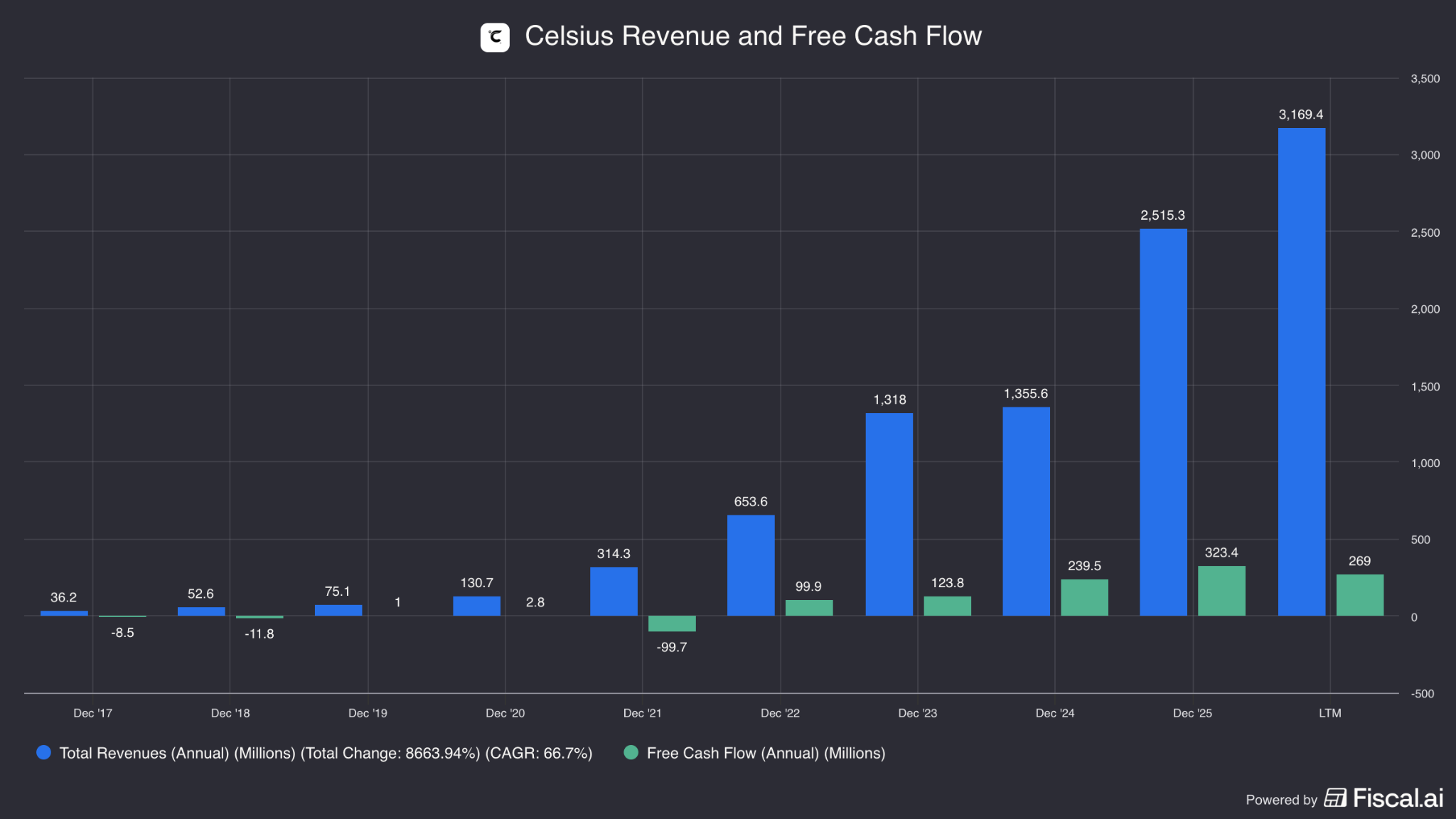
Growth ETFs often own companies that grow fast, but aren’t always good at turning that growth into real profits.
Celsius Holdings ($CELH) is a growth name that was quite popular for a while.
Its revenue has grown very quickly.
But very little of the revenue is converted into actual cash (free cash flow).
The best returns come when you find both:
A great business
That grows very fast.
That’s often very hard to do with indexes and ETFs.
Take the S&P 500 Growth Index and the Russell 1000 Growth Index. They don’t specifically look at profitability.
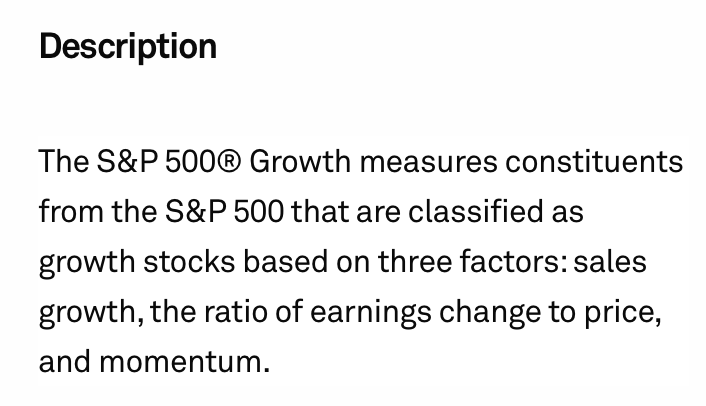
A company can get into a growth index without anyone checking the following:
How profitable it is
How much debt it carries
How stable its earnings are
And most quality indexes? They don’t require ongoing growth.
So you end up with one of two things:
Mature compounders that have slowed down
Fast-growing, low-quality or speculative companies with low returns on capital
Always remember that a stock is a piece of ownership in a business.
In the long run, two things drive a stock’s return:
How much capital the business can reinvest
At which return the company can reinvest its capital
Quality + Growth
What does a high return on capital (quality) tell you?
It tells you the company is very profitable with the money of shareholders.
But on top of that you also want high growth.
You want companies that have plenty of opportunities to put more capital to work at those high returns.
When you have both, you can earn great returns.
This makes complete sense.
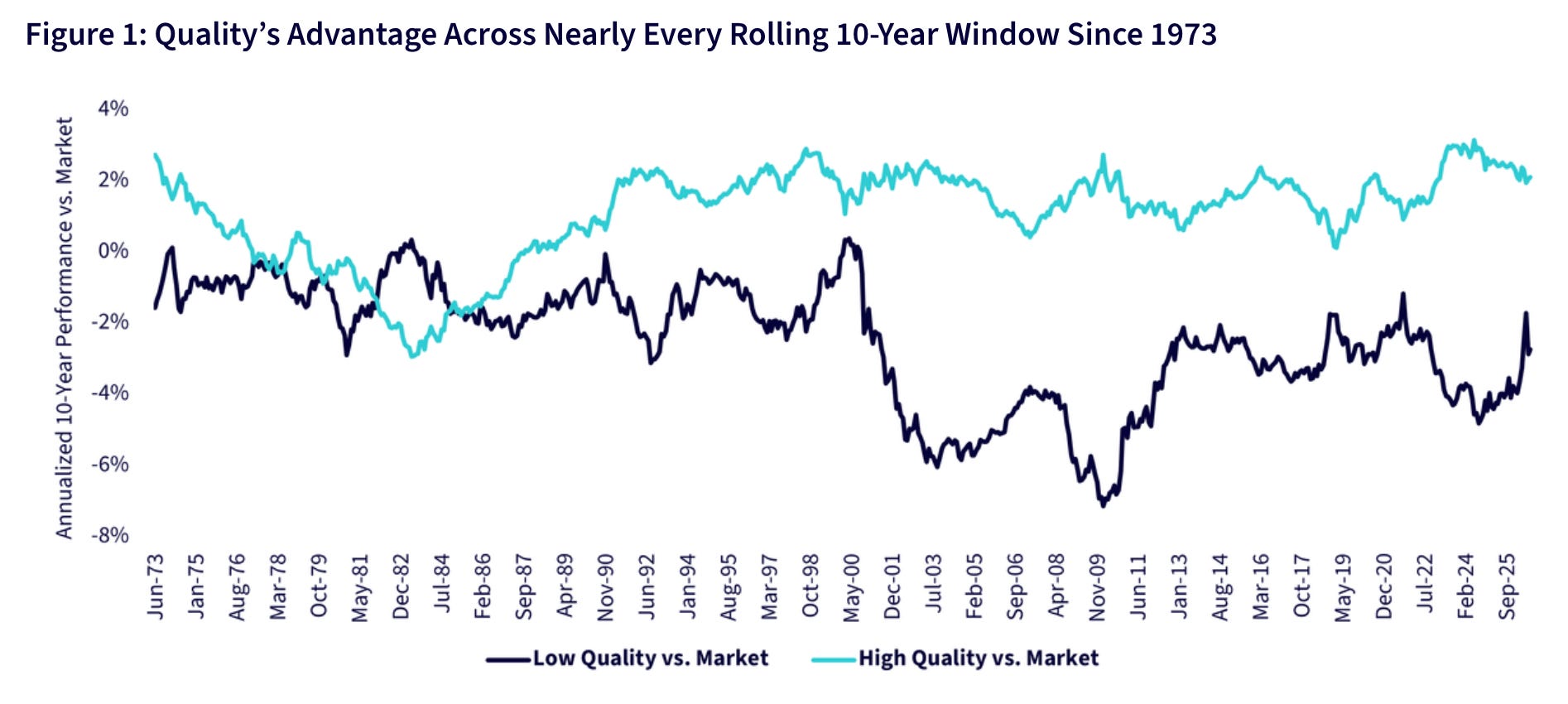
The image below shows it clearly.
In the long term:
High-quality stocks almost always beat the market
Low-quality stocks almost always do worse.
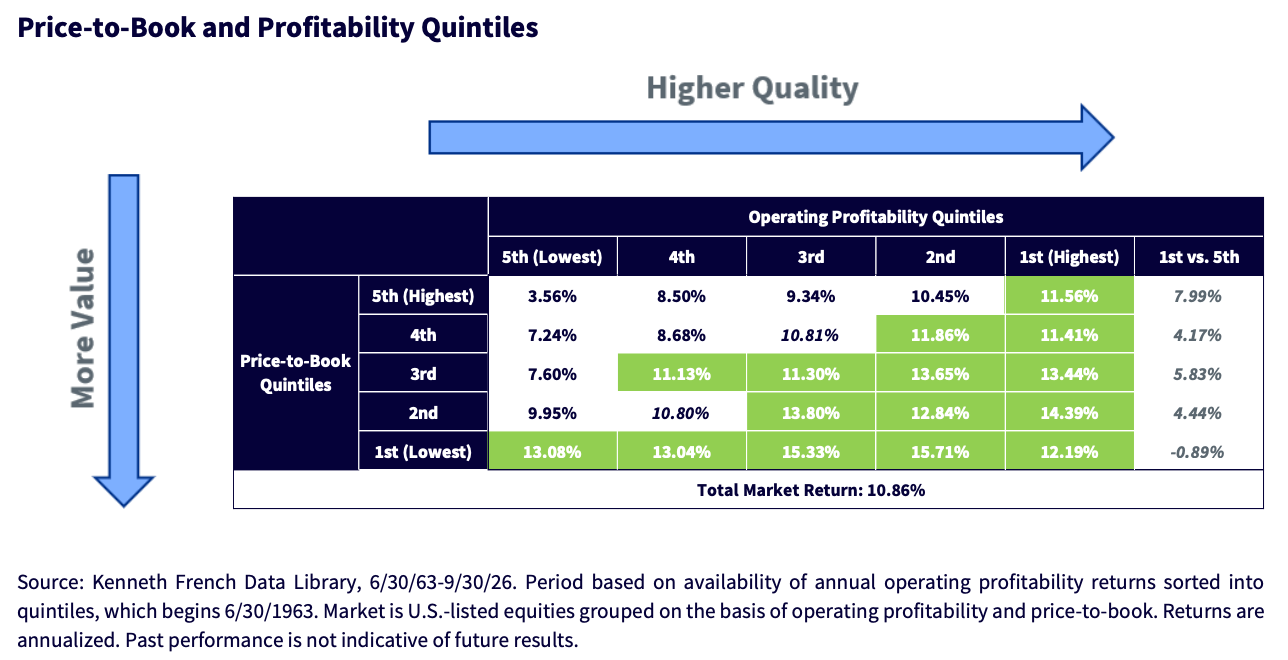
The next table shows returns based on profitability (quality) and valuation.
The most expensive stocks (the top two rows) include a lot of growth companies.
The last column compares the returns of the lowest-quality companies with the highest-quality ones in each row.
The lessons you can draw?
High quality stocks outperform the market
Cheap stocks outperform the market
If you combine both (high quality + cheap), you get something beautiful
Our ETF of the Month solves this problem.
You buy high-quality companies that are not too expensive and are still growing attractively.
⭐ ETF of the Month (Spotlight)
WisdomTree U.S. Quality Growth Fund (QGRW)
Key Information
Name: WisdomTree U.S. Quality Growth Fund
Ticker: QGRW
Total Expense Ratio: 0.28%
Physical/Synthetic: Physical
ISIN: US97717Y4778
European version (UCITS)
Name: WisdomTree US Quality Growth UCITS ETF – USD Acc
Ticker: QGRW (also QGRP on the LSE)
Total Expense Ratio: 0.33%
ISIN: IE000YGEAK03
What?
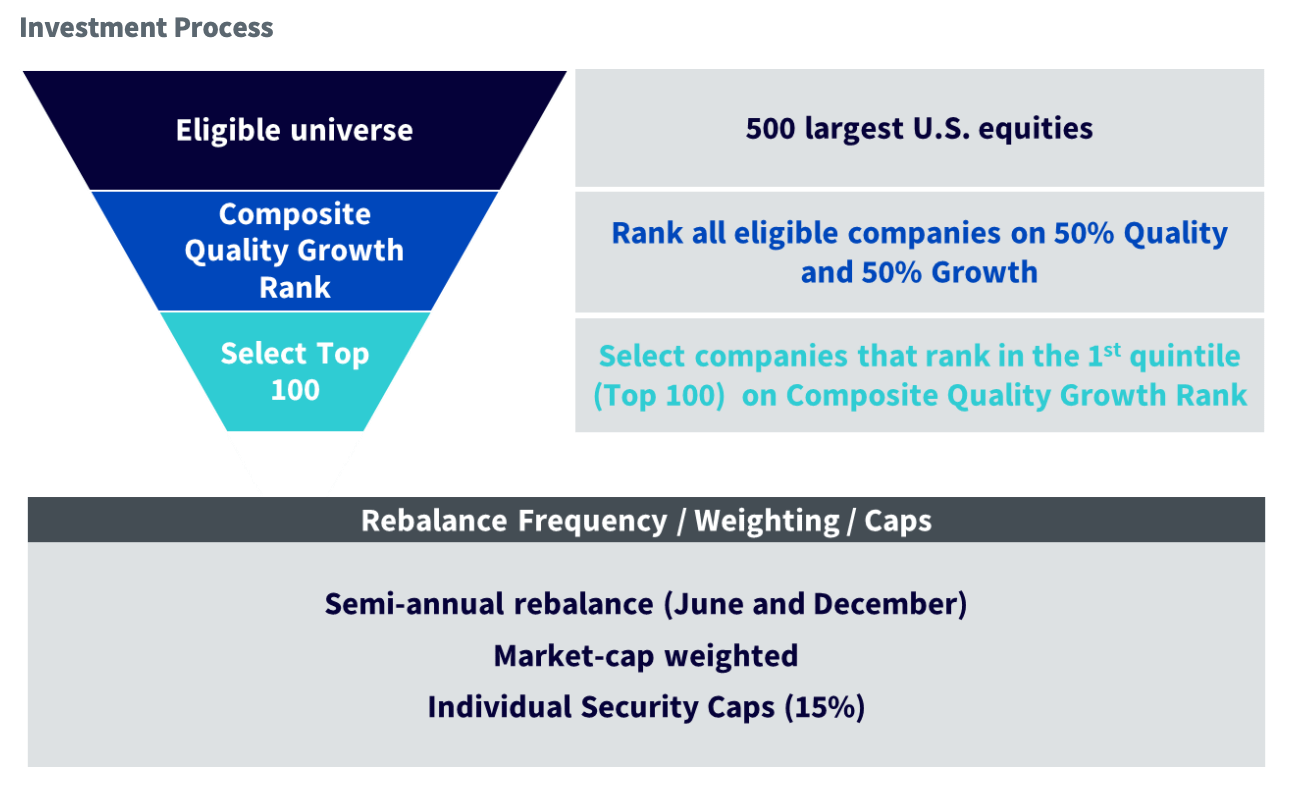
The strategy starts with the 500 largest U.S. companies.
It ranks them on two factors, each with the same weight:
Quality
Trailing 3-year average Return on Equity
Trailing 3-year average Return on Assets
Growth
Median analyst earnings growth forecast (50%)
Trailing 5-year EBITDA growth (25%)
Trailing 5-year sales growth (25%)
The 100 companies with the highest combined score will be bought in this ETF.
Each one gets a weight based on its market capitalization (its size on the stock market).
Twice a year, the index gets rebuilt and rebalanced. No single holding can be more than 15% of the ETF.
Why?
Growth investing can lead to amazing returns.
Interested in learning more?
Check out G-Day where we reveal our 3 favorite growth companies.
Just imagine you had bought Amazon 20 years ago.
But as you already know…
Growth gives the best returns when you combine it with quality.
QGRW does exactly that. It combines quality and growth.
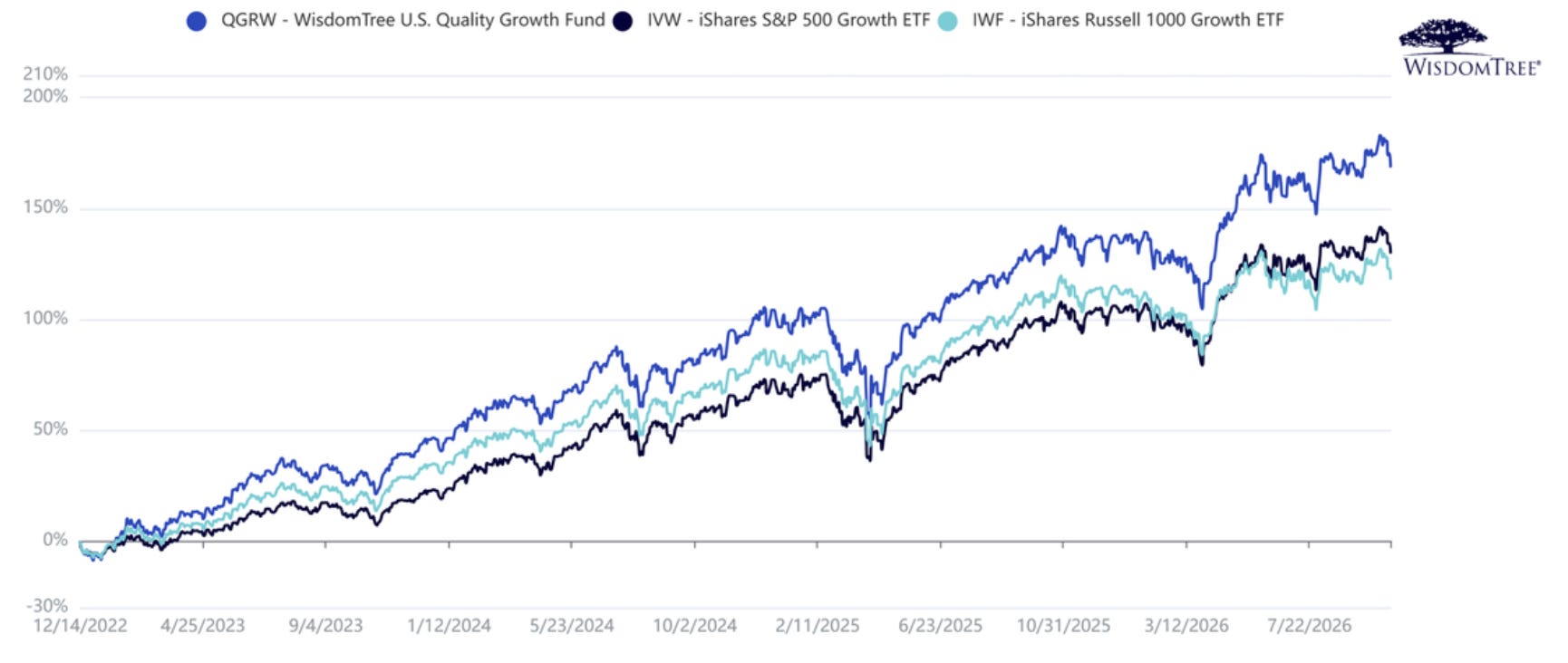
As you can see here, it performs better than pure growth ETFs:
Sector Split
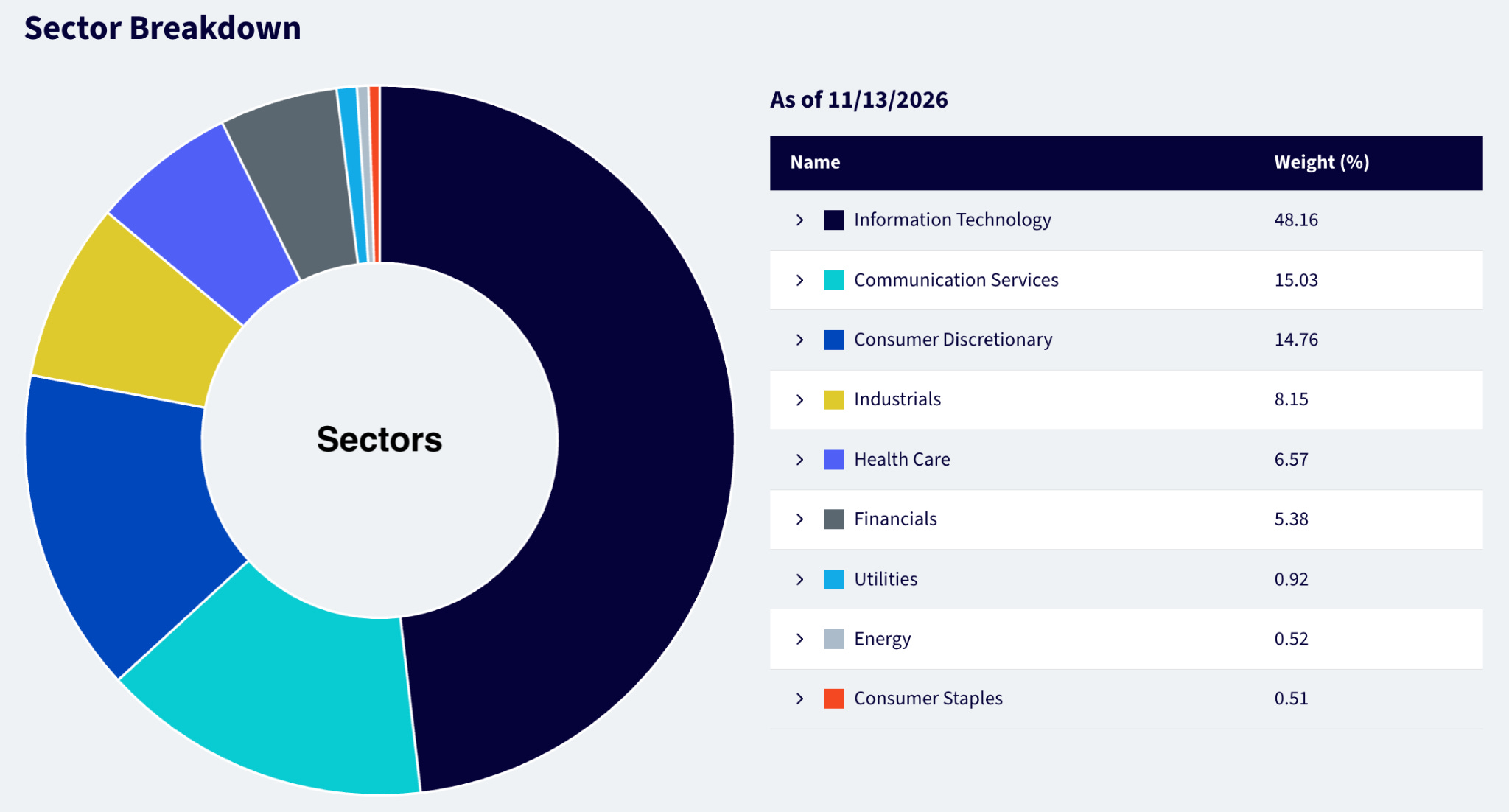
Here’s what the sector breakdown looks like.
The three largest sectors are Information Technology (48.2%), Communication Services (15.0%), and Consumer Discretionary (14.8%).
Top Holdings
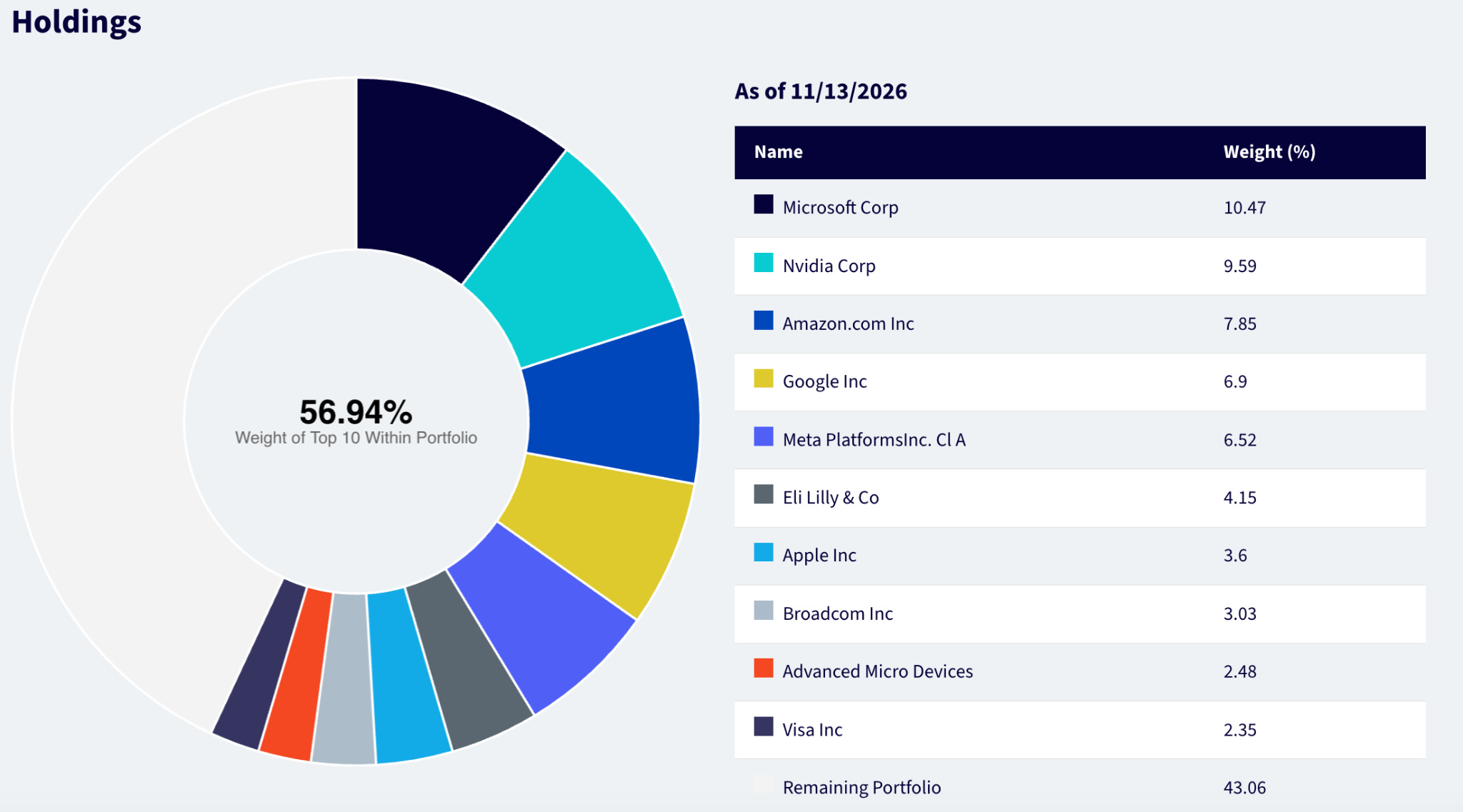
These are the 10 largest positions in the ETF today:
ETF Portfolio Update: November 2026
Now, let’s dive into our ETF Portfolio Update.
Our Portfolio is a great mix of ETFs that we believe can beat the market in the long run.
We use several factors that have done well in the past:
👑 Quality: Only invest in companies that have already won
📏 Size: The smaller the better
🚀 Multifactor: Quality, size, value & momentum
🌏 Emerging Markets: Small exposure to Emerging Markets
Let’s look at the ETF Portfolio itself.
You can access the ETF Portfolio 24/7 here: