

Hi Partner 👋
In investing, it all starts with the moat or competitive advantage.
Understanding the existence and durability of the moat is key to becoming a great investor.
Let’s talk about how important moats are and give an update on Our Portfolio today.
What is a moat?
A moat or durable competitive advantage is what gives a company a superior business position.
It allows the business to maintain and increase its profit margin and market share.
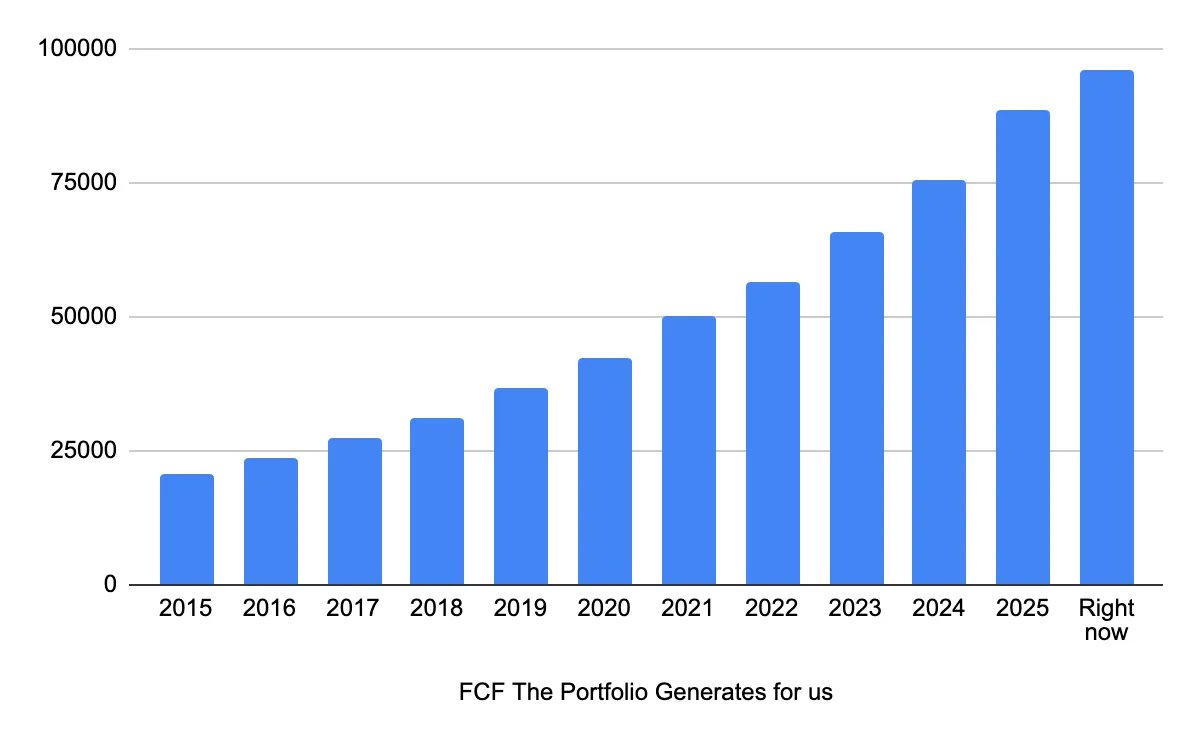
Our Companies have strong moats that let them keep growing their Free Cash Flow year after year.
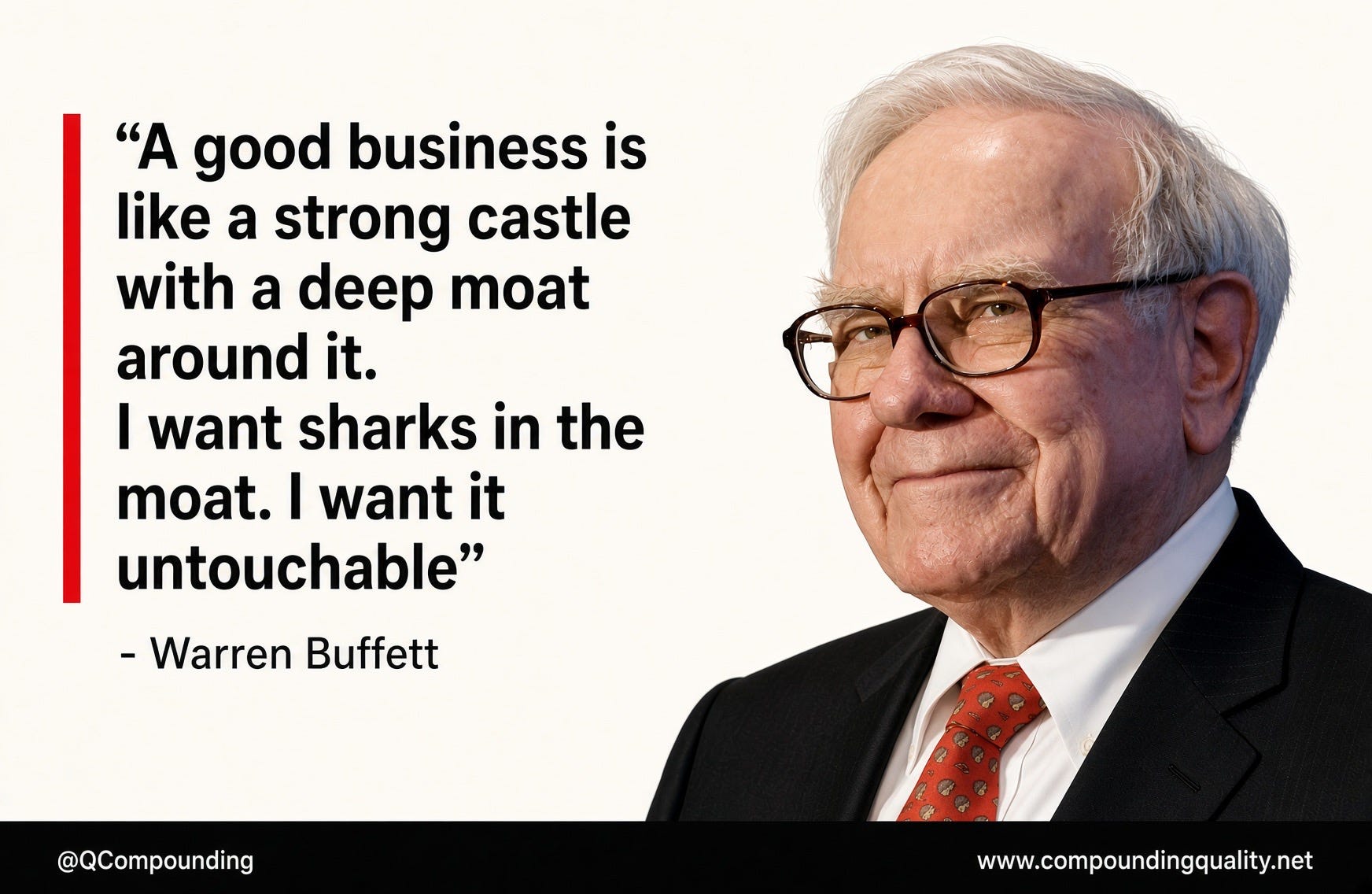
Warren Buffett thinks of the company as a castle.
The moat is made up of the advantages that protects those inside the castle and prevents outsiders from getting in.
“The key to investing is not assessing how much an industry is going to affect society, or how much it will grow, but rather determining the competitive advantage of any given company and, above all, the durability of that advantage. The products or services that have wide, sustainable moats around them are the ones that deliver rewards to investors.” - Warren Buffett

How do you know the company has a moat?
A moat is a structural business characteristic that allows a firm to generate excess economic returns for a long period of time.
This can come from different sources:
Switching Costs
Network Effects
Cost Advantages
Intangible Assets
A quick check for a moat?
Look for companies with a:
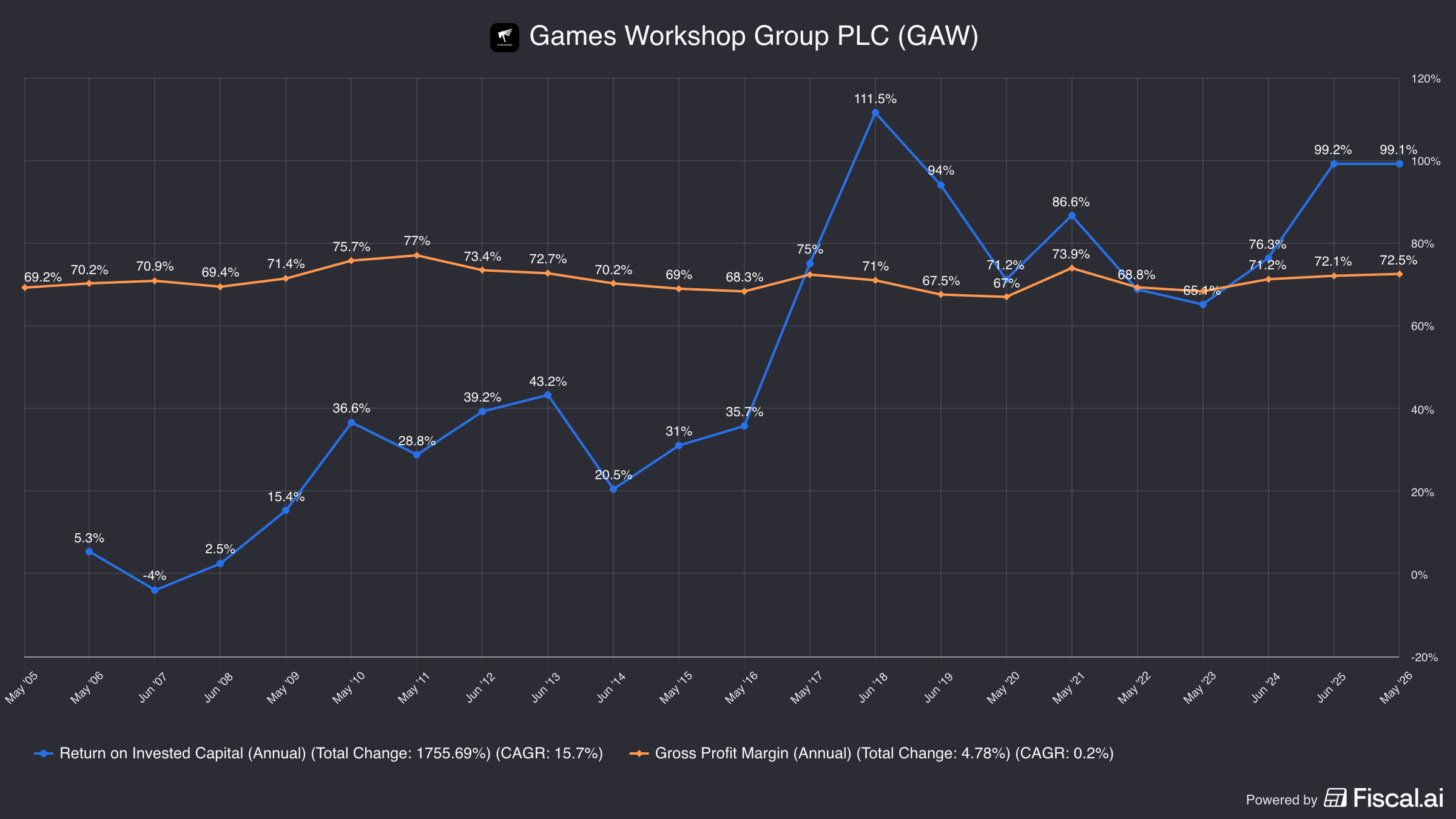
High and stable Gross Margin (> 40%)
High and stable ROIC (> 15%)
When both metrics look good, it’s a strong sign that the company has a moat.
Let’s take Games Workshop as an example.
They sell tabletop games where players use small figures to fight battles in fantasy and science fiction worlds.
They also have high, stable gross margins, and a high ROIC that’s trended up over time.
Another thing companies with a moat have? Pricing power.
Charlie Munger said that a few times in your lifetime, you’ll find a company which could raise its return enormously by just raising their prices, and yet they haven’t done it.
This gives them a lot of untapped pricing power.
Games Workshop is one of these types of companies.
Every year they raise their prices 4% or 5% and players just keep buying more.
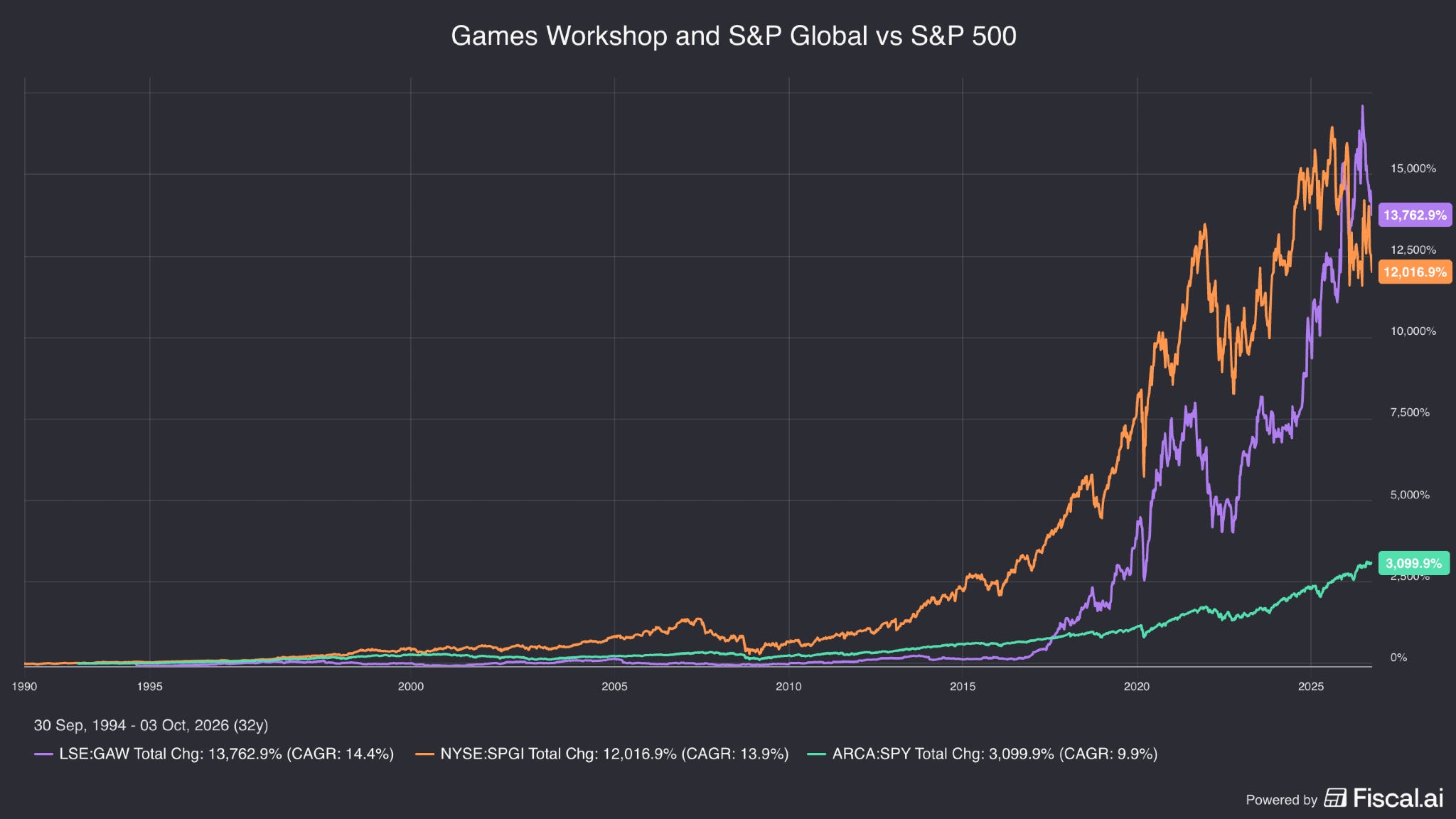
S&P Global and See’s Candies are also great examples of companies with pricing power.
That’s why these types of companies outperform the market:
What if the company loses its moat?
One of the most dangerous things for a Quality Investor?
When the moat shrinks or goes away entirely.
Just think about what happened to Nokia or Kodak in the past.
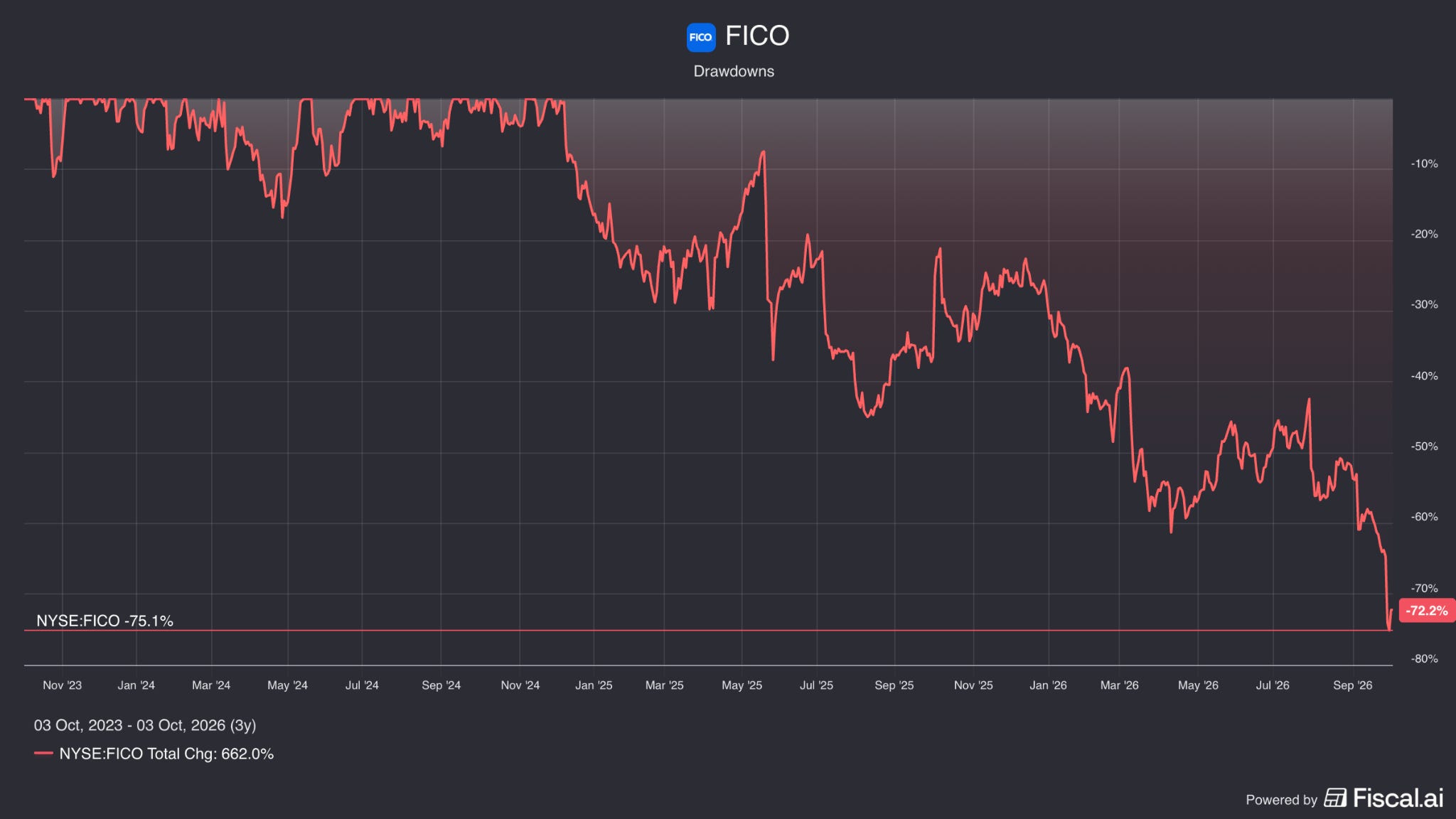
The market is fearful something similar is happening to Fair Isaac (FICO) right now:
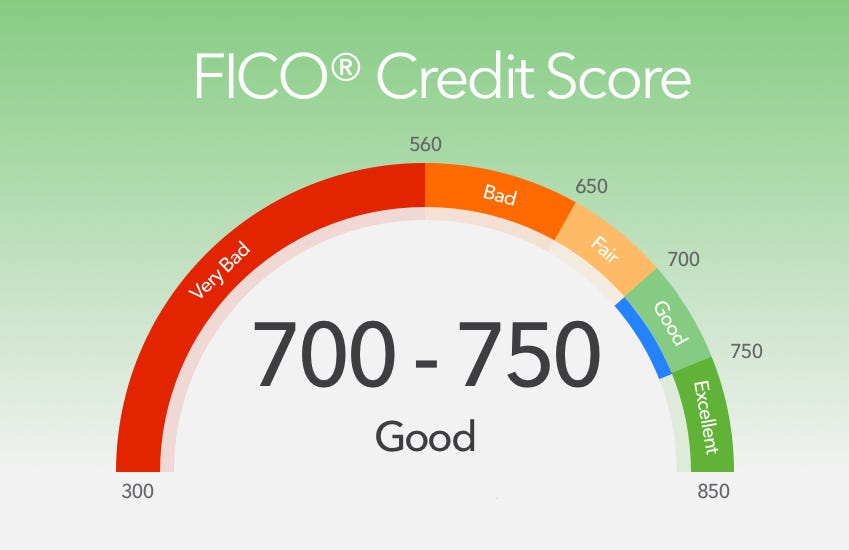
FICO had what many investors thought was one of the widest moats in finance.
FICO’s credit score was a key part of how the financial system worked.
Required by GSEs: Fannie Mae and Freddie Mac required Classic FICO scores for standard mortgages. Lenders had no choice. To sell a loan to either company, they needed a FICO score.
Three-Bureau Standard: Lenders usually checked all three major credit bureaus: Equifax, Experian, and TransUnion. They pulled credit reports and FICO scores for each borrower.
A Toll Booth on Lending: FICO earned a fee on almost every mortgage, car loan, and credit card issued in the US.
Credit score fees are a tiny fraction of total closing costs on a $400,000 mortgage, so FICO thought they had limitless pricing power.
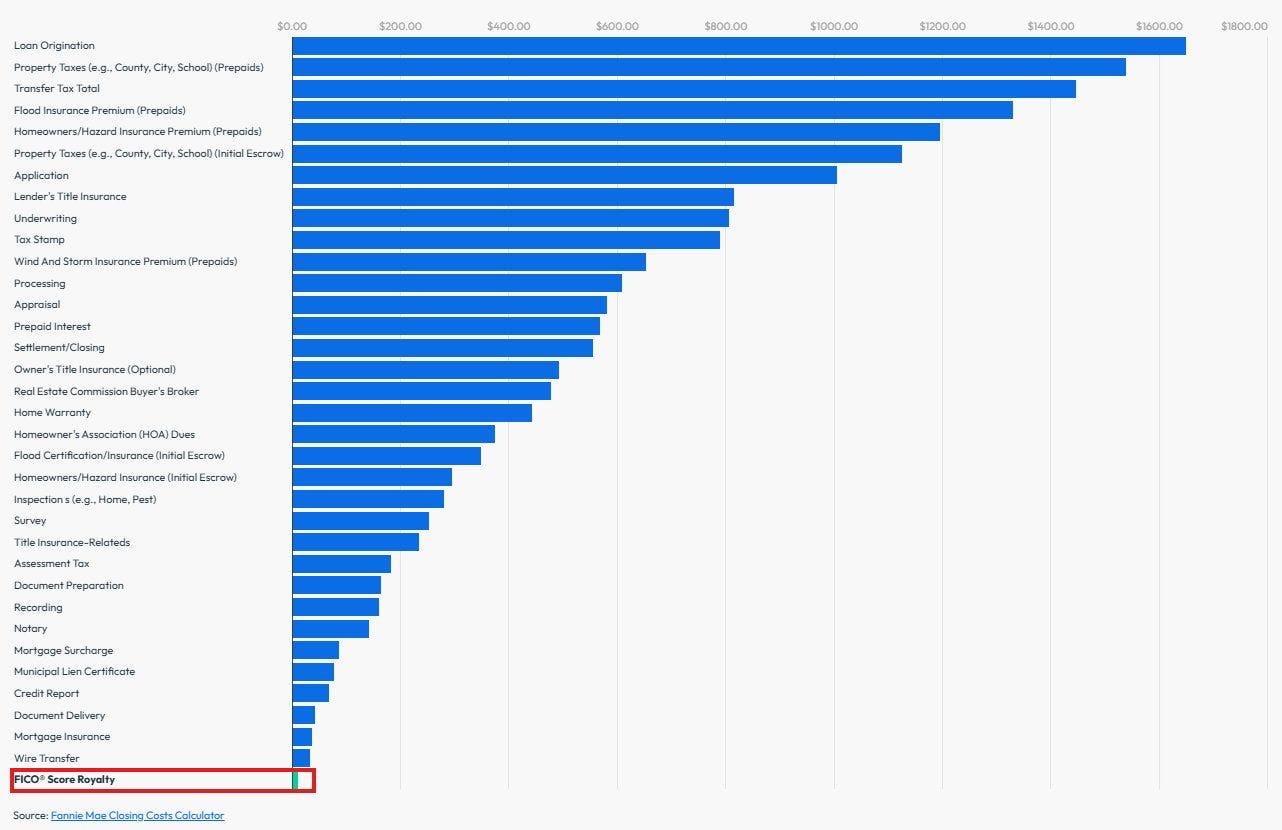
Between 2022 and 2025, FICO raised mortgage score prices by 800%.
Revenue and profits shot up:
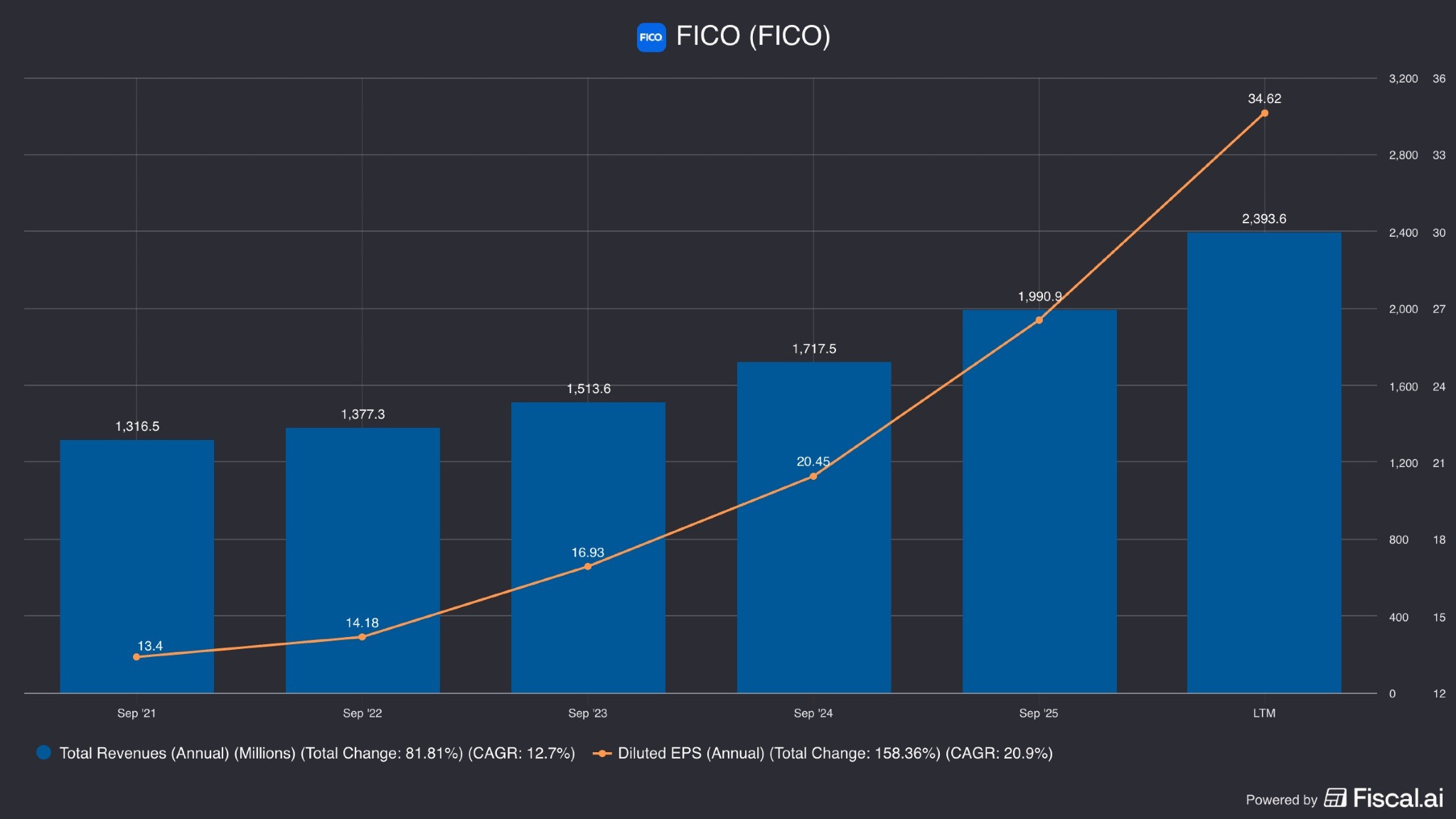
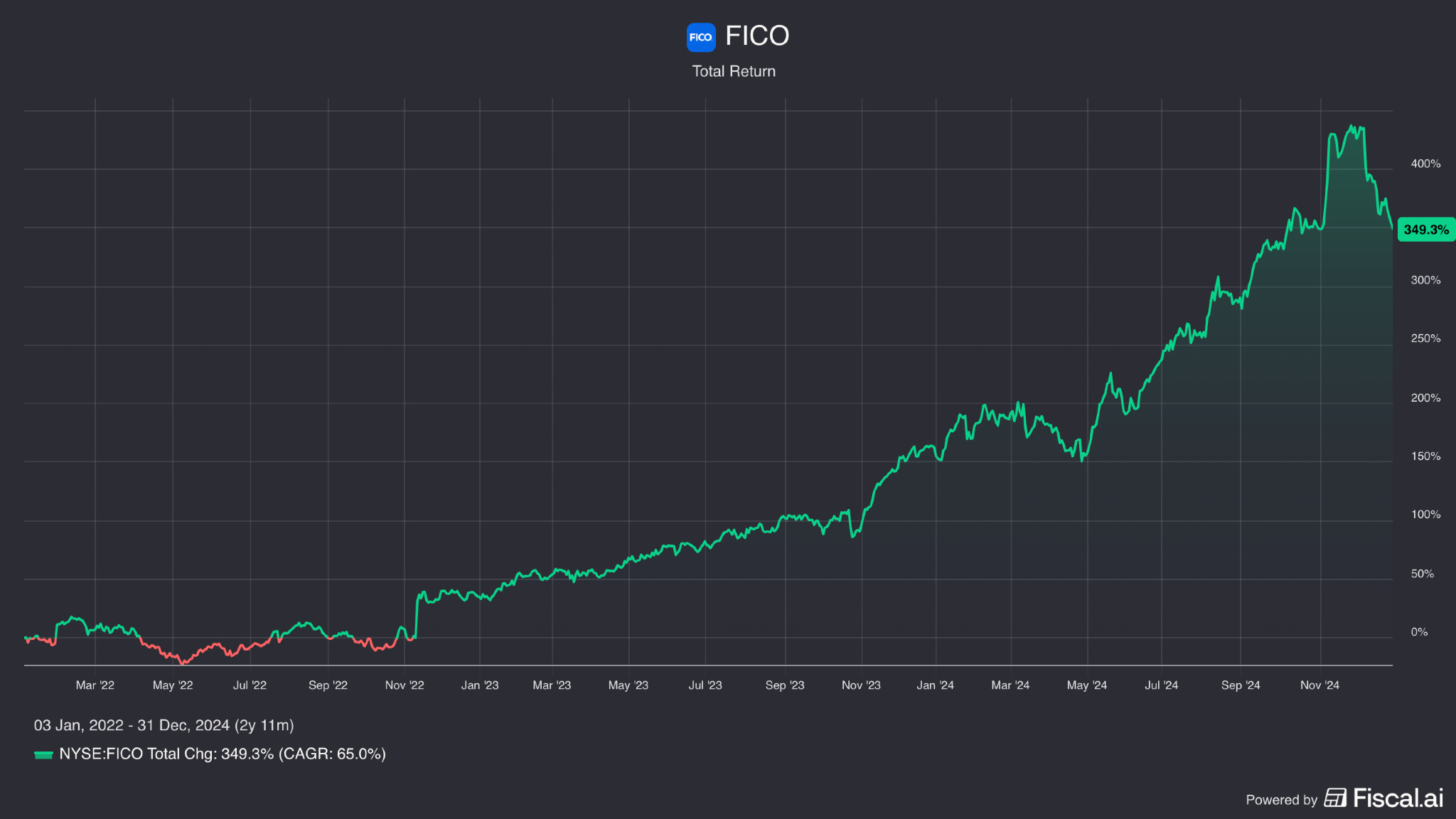
So did the stock price:
The three major credit bureaus (TransUnion, Experian and Equifax) haven’t liked paying royalties to FICO.
As a result, they created VantageScore as a joint venture in 2006:
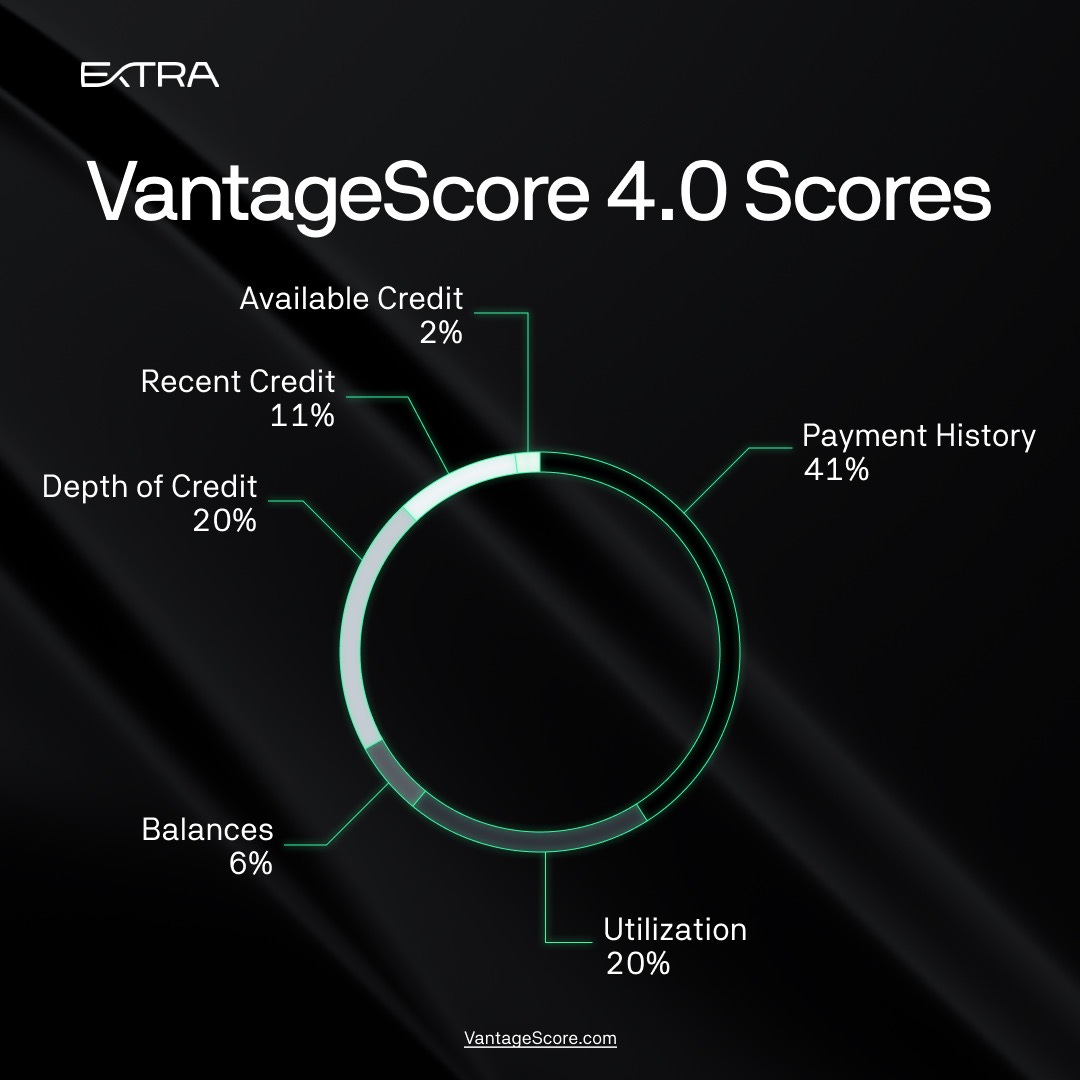
For years, VantageScore struggled to compete because mortgage rules favored FICO.
But FICO kept raising its prices. They were too aggressive.
This pushed lenders and credit bureaus to look for alternatives.
FICO’s moat depended largely on rules set by the Federal Housing Finance Agency (FHFA).
FHFA director Bill Pulte pushed to approve VantageScore 4.0 alongside FICO.
He also moved Fannie Mae and Freddie Mac toward a single mortgage pricing system.
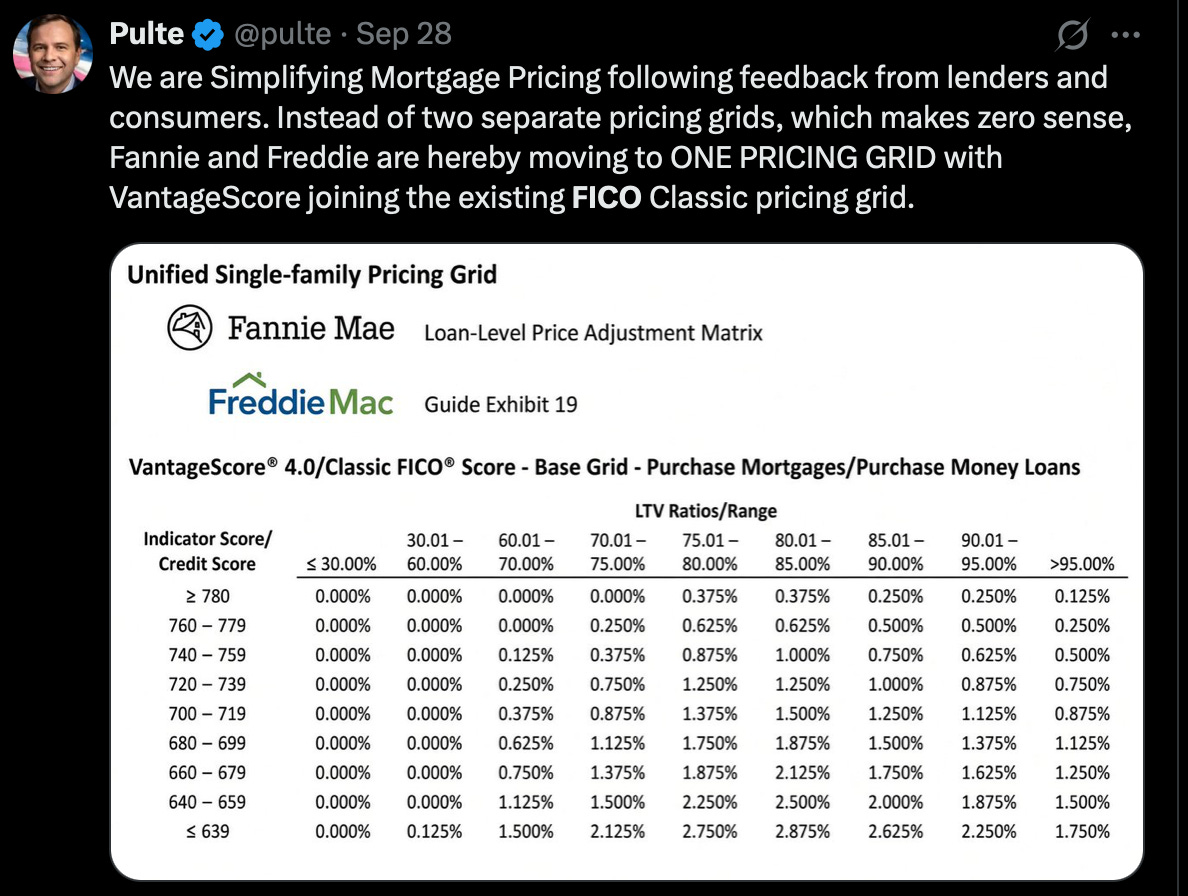
Overnight, the regulatory barriers that forced the mortgage world to rely on FICO started to shrink.
A great test of a moat is if customers stay when a viable competitor shows up.
Very quickly after the FHFA changes, Rocket Mortgage adopted VantageScore as their preferred model to cut origination costs.

When the largest mortgage lender in the country can swap out your product for a competitor, your switching costs are not as high as Wall Street thought.
That’s why FICO’s stock is now down more than 70% from its high:
The FICO case can teach us three important lessons:
Untapped pricing power can lead to very high returns, but can lead to problems if the company abuses it
Some moats are more durable than others: a regulatory moat only works as long as the rules don’t change
A moat is widening or shrinking every single day
This is why we constantly reassess our convictions.
When a company’s moat is shrinking, or isn’t as strong as we thought, we sell it.
Just like we did to some of Our Positions recently (Dino Polska, LVMH, Novo Nordisk).
Let’s dive into Our Portfolio Update to see how our companies are doing.
