
My Investment Plan
Buying, Selling, Position Sizing, and Portfolio Management

Investing isn’t complicated.
If you want to win in the long run, you have to do three things:
Buy great companies
Run by outstanding managers
Don’t overpay
In today’s article you’ll learn how to build a Winning Investment Portfolio.

Have a plan
Owning the best companies in the world is a winning strategy.
Quality companies tend to outperform in the long term:
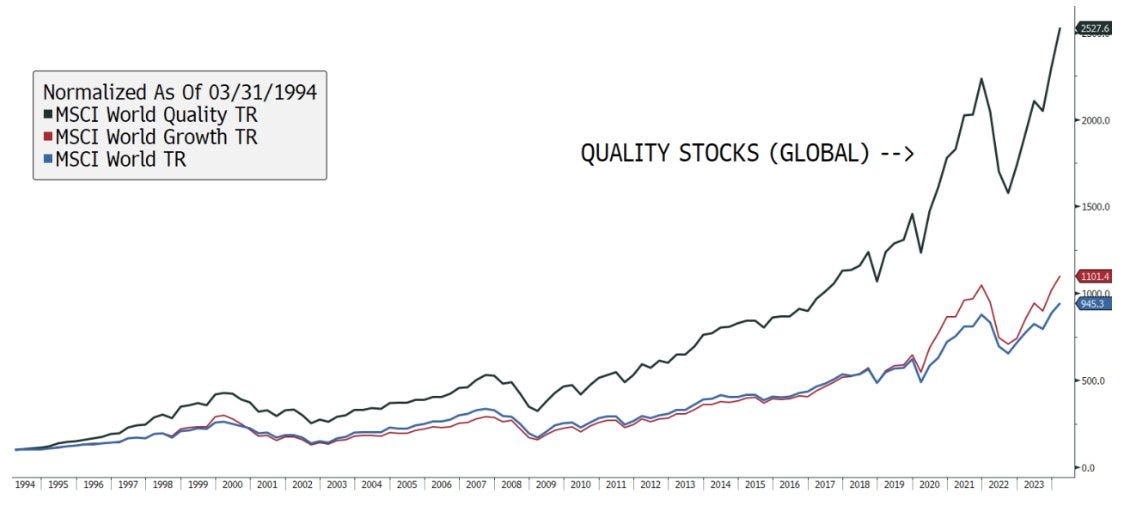
But you need a plan.
How much do you invest in each company?
When do you buy?
When do you sell?
How do you spread out your risk?
These questions are just as important as picking stocks.
Today, I will walk you through buying, selling, position sizing, portfolio construction, and management.
Let’s get started.
What We Look For
The best companies in the world have:
A strong competitive advantage
Trustworthy management with skin in the game
Healthy balance sheet
High profitability with low capital needs
Smart capital allocation
Plenty of growth opportunities
And we want them trading at a fair price.
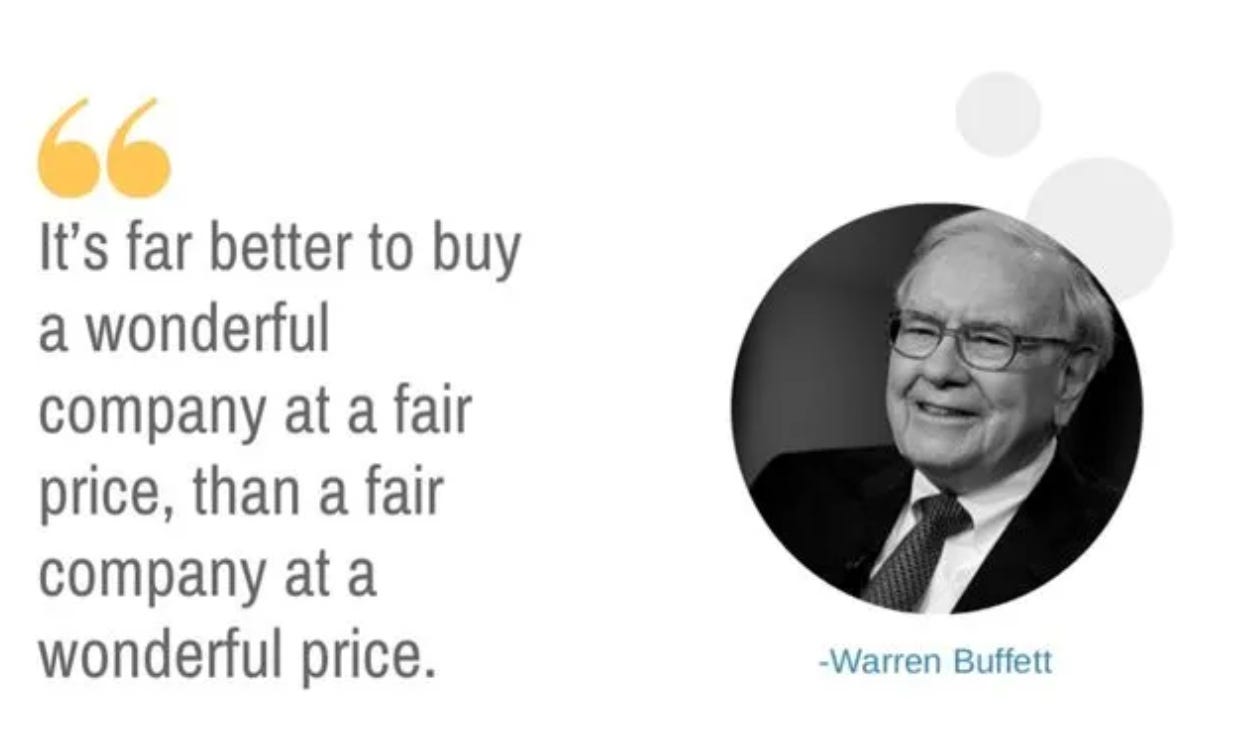
Just listen to Warren Buffett:
When to Buy
A great business can still be a terrible investment if you pay too much.
Look at Walmart. In 2000, it was a fantastic company, but the stock was expensive.
If you bought it then, it took over a decade to break even, despite the business tripling its intrinsic value.
Price matters.

How to Pick Stocks
1. Start with the Buy-Hold-Sell List
Focus on companies trading at reasonable valuations to avoid wasting your time on the ones that are way too expensive right now.

Partners of Compounding Quality have access to the entire Buy-Hold-Sell list.
2. Find a reason to say ‘no’
Your time to research stocks is limited.
That’s why you should find a reason to say ‘no’ as soon as possible.
For each company on the list, ask three questions:
Do I understand how the company makes money?
Does this company interest me?
Can I make an educated guess about where this company will be in 10 years?
If you say 'no' to any of those questions, move on to another company.
3. Compare what’s left
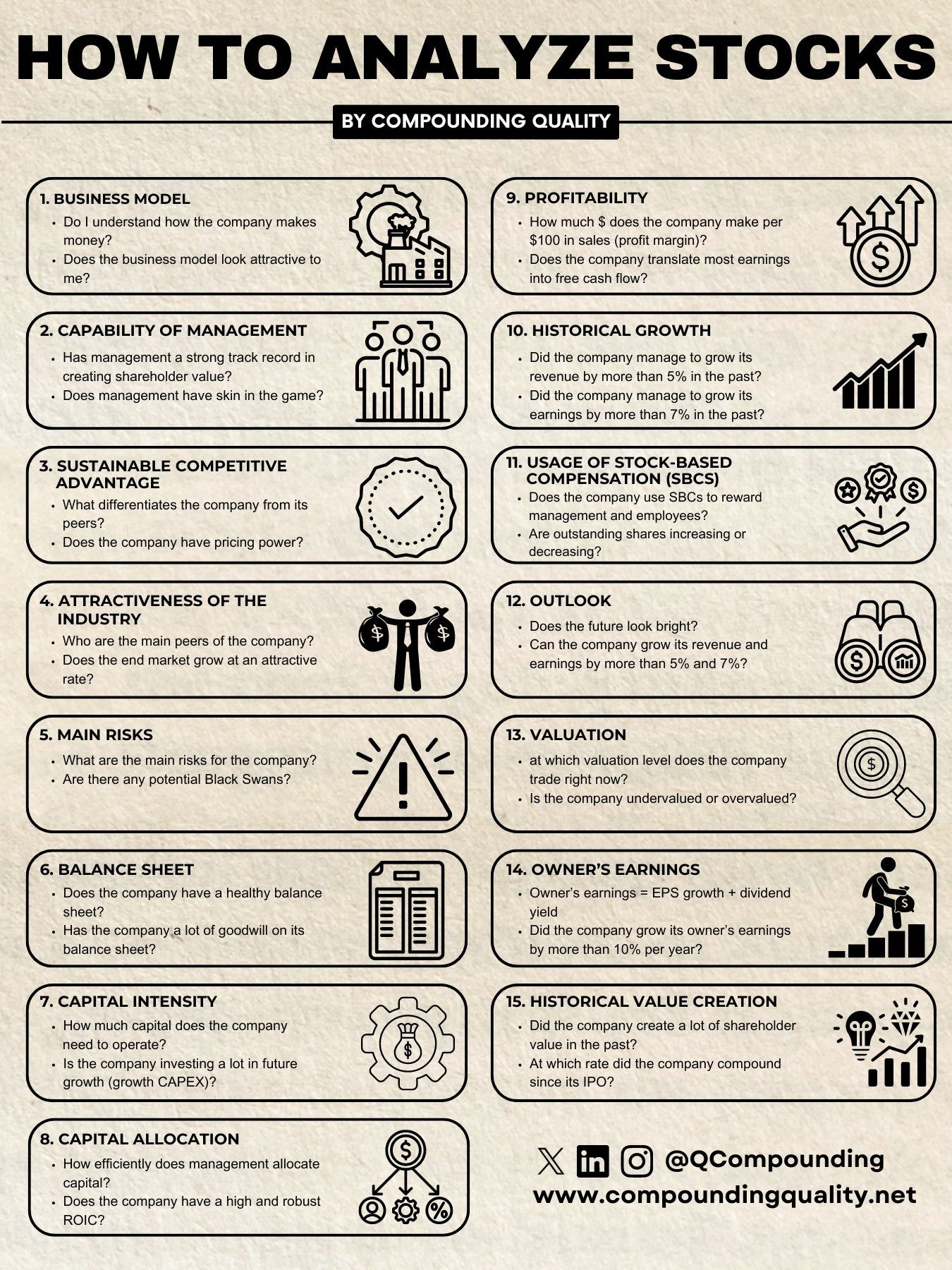
Analyze things like the balance sheet, profitability, growth, and valuation metrics to find the most attractive opportunities:
Healthy balance sheet: Look for low debt and high interest coverage
High profitability: Aim for 50% Gross Margins and 15% Profit Margins
Low capital needs: Prefer companies with low CAPEX/Sales ratios
Capital allocation: Look for companies with an ROIC of more than 20%
Consistent growth: Look for > 7% annual revenue growth and > 9% EPS growth over the past 3 years
Reasonable valuation: Choose stocks trading below their 5-year average valuation
How Much to Invest in Each Company?
We start with a 3% to 6% position depending on our confidence.
The better the business, the larger the position.
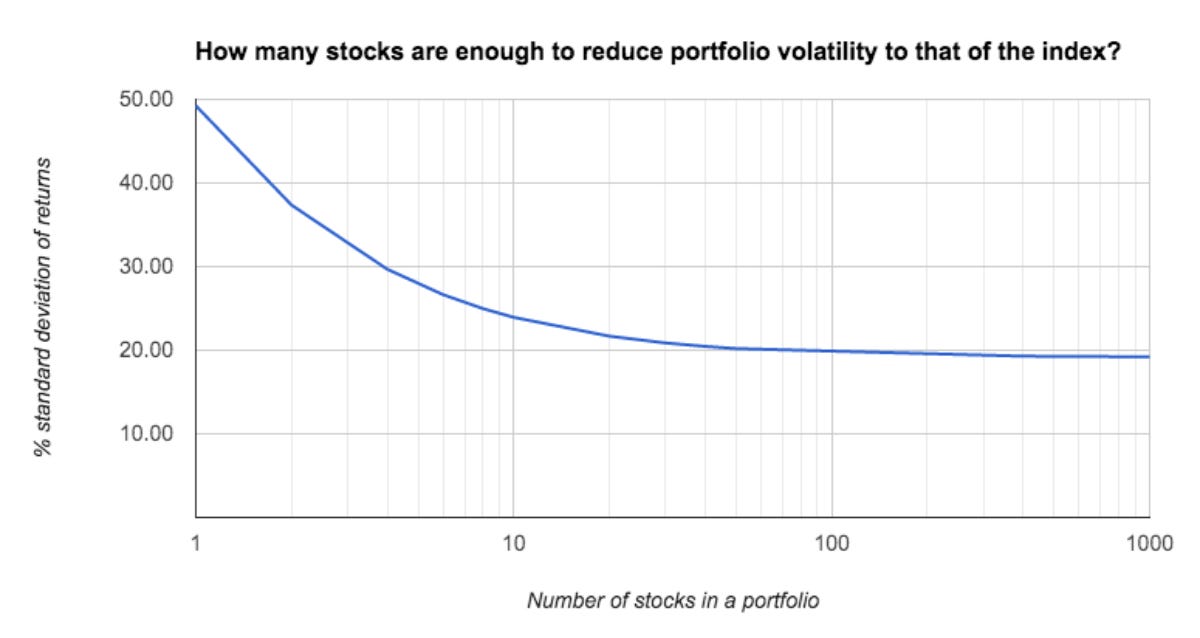
How Many Stocks Should You Own?
You face two types of risk as an investor:
Market risk: recessions, inflation, or crashes
Company risk: bad products, leadership changes, or lawsuits
Owning 15 to 20 companies is smart.
It lowers the risk if one company does badly. At the same time, you can still choose only the best companies to invest in.
What About Diversification?
We focus on buying great companies, no matter their size, location, or industry.
We prefer small- and mid-cap stocks. During my time in the industry, I learned that the market is way more efficient in large caps, so smaller companies often offer better opportunities.
We don’t directly invest in emerging markets, but we still get exposure to them through companies that sell products there, like LVMH.
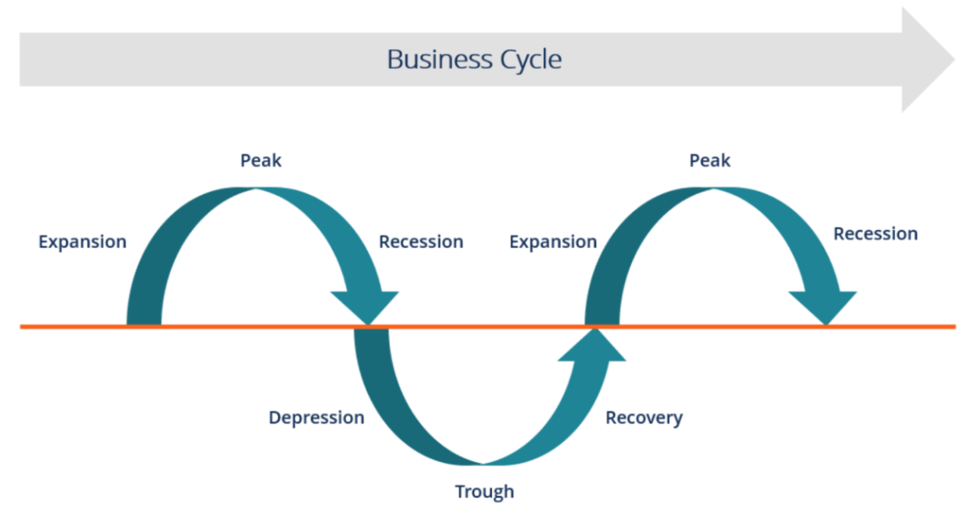
We also avoid cyclical industries like airlines, banks, or commodities.
When to Sell
The biggest investment mistake I ever made? Selling my winners too soon.
You know why? A stock can only lose 100% in value, but it can increase more than 10,000%.
Just imagine that you sold Monster Beverage for $0,01 in 1987 or Apple for $0,3 in 1991.
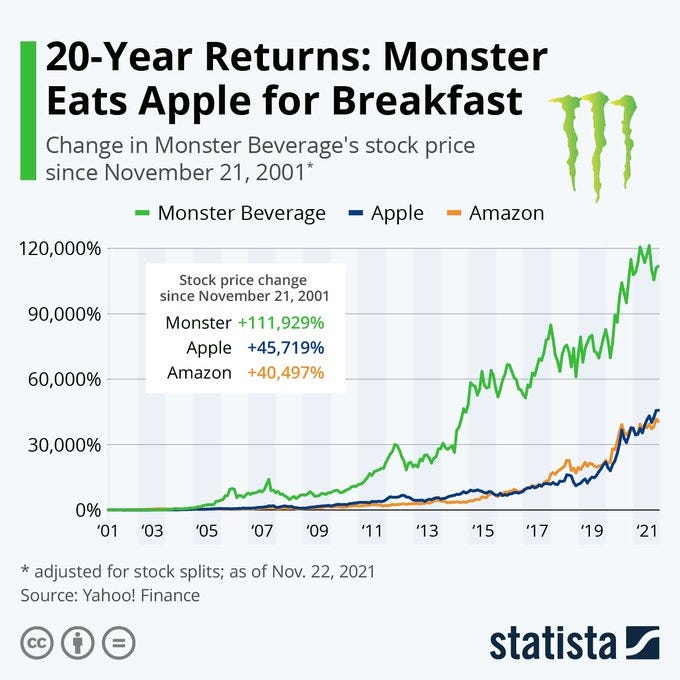
The secret of successful investing lies in the fact that you should let the magic of compounding work for you as long as possible.
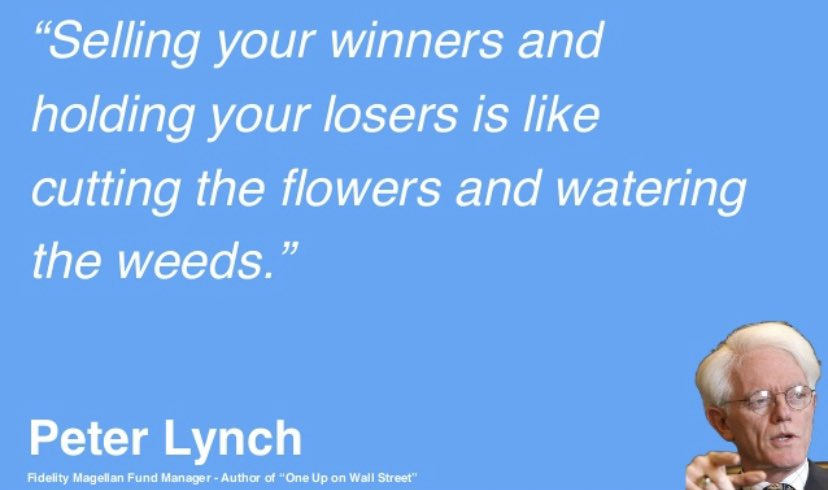
Selling is where many investors screw up.
Peter Lynch said it best:
There are good reasons to sell a stock, though - here are 7 of them:
You made a mistake: When your initial investment thesis is wrong based on new information or changed circumstances
You find a better opportunity: Make decisions based on opportunity costs. If you find an investment with a better risk-adjusted return potential, selling might make sense
The company loses its competitive edge: A company's moat or competitive advantages can weaken, often due to industry disruption, changing consumer preferences, or failure to innovate
The stock becomes ridiculously expensive: If a stock reaches valuations so high that future returns become highly unlikely, even with continued strong business performance, consider selling
Note: avoid selling quality companies due to mild overvaluation
Management changes for the worse: Leadership quality and alignment with shareholders are crucial. If they change, it might be time to get out
Growth slows: When a company's growth rate materially slows, it will limit future returns
You need the cash: When personal circumstances require cash, consider selling your least attractive holdings first. But, remember that the best returns come from holding quality companies over the long-term
Bad reasons to sell a stock
There are also some bad reasons to sell a stock:
The stock has gone up by X%
The stock has gone down by X%
Comparing the current stock price with your purchase price
Short-term concerns (quarterly results are often noise)
A weakening macro economy
Trying to make a quick gain
Other investors are selling (you should always do your own homework)
Rebalancing
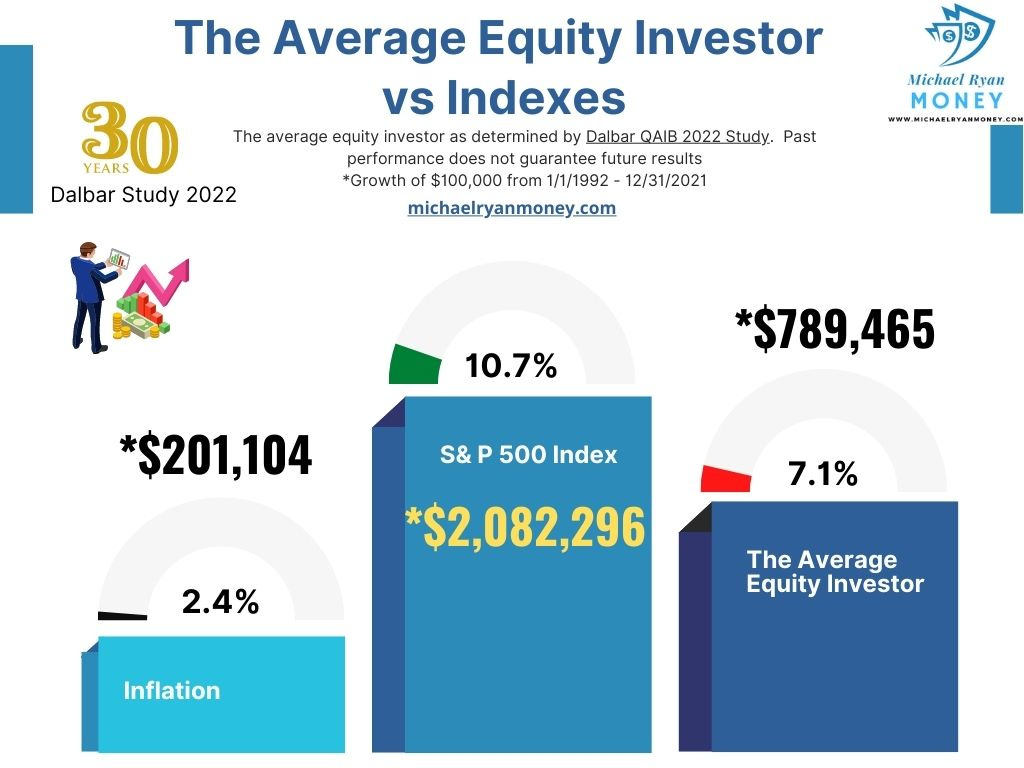
Most investors hurt themselves by trading too much.
Just look at this chart of the average investor vs the market.
We let our winners run.
Unless something changes dramatically, we keep great companies and let the magic of compounding do its work.
That’s it for today!
Here’s what you learned:
Focus on quality. Buy great companies with strong fundamentals
Diversify enough to reduce risk, but don’t overdo it
Be patient and let compounding and long-term growth do the work
Avoid overpaying for stocks, don’t sell too soon
Investing is all about discipline and staying with the plan
Everything in life compounds
Pieter (Compounding Quality)
PS Do you want to learn more? Test out Compounding Quality risk-free here.
Book
Order your copy of The Art of Quality Investing here
Used sources
Interactive Brokers: Portfolio data and executing all transactions
Finchat: Financial data