

People do what they’re rewarded for.
Charlie Munger understood this better than almost anyone else:
"Never, ever, think about something else when you should be thinking about incentives." - Charlie MungerLet’s dive into incentives and why they’re so powerful.
Understanding Behavior
Albert Einstein said that not everything that can be counted counts, and not everything that counts can be counted.
In the stock market, a lot can be counted:
Sales
Profits
Debt levels
Returns on investment
But in business, some important things can’t be measured.
You can't calculate the quality of a CEO with a spreadsheet.
You can't quantify culture.
There’s no formula to calculate integrity.
But these things determine the long term success or failure of a business.
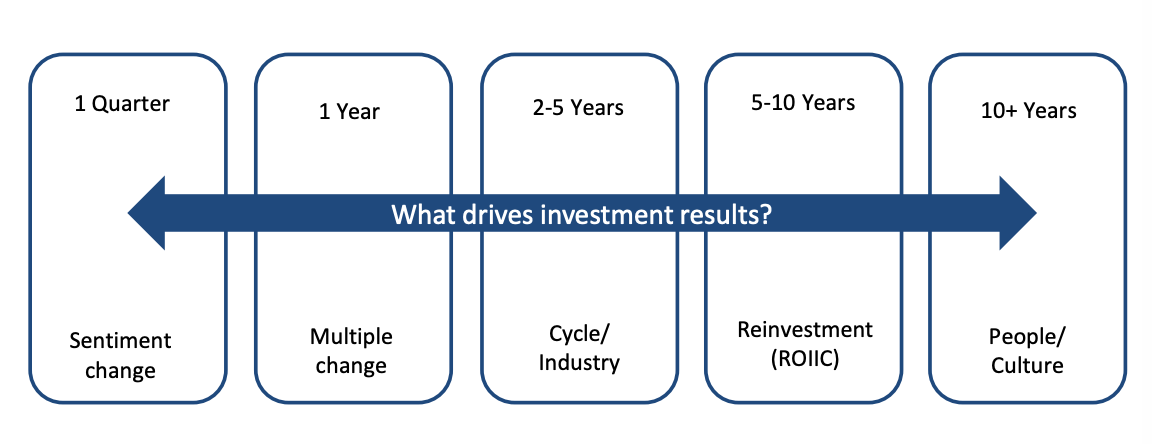
Luckily for investors, there’s an easy way to understand how humans will behave.
Incentives.
Let’s look at some examples to see how they work.
How incentives work
Xerox
Early on, Xerox only sold two products:
An older, inferior machine
A newer, more advanced machine

Which one do you think would sell the most?
It turns out that the inferior machine sold way better.
The reason?
Incentives.
Salespeople got paid way more for selling the old product compared to the new one.
You will always get more of what you reward.
In this case, Xerox was rewarding the wrong thing.
Another business that rewarded the wrong things? Uber.
Uber
In the 2010s, Uber rewarded its drivers for the number of rides completed.
Sounds reasonable, but think about what Uber was really rewarding:
Going faster
Driving more aggressively
Not taking time to clean up after the last ride
Uber got a lot of complaints from customers about safety issues.
As a result, drivers are now rewarded based on customer ratings & safety.
With just one change in incentives, the cars are cleaner, the drivers are polite, and you have a safe ride.

The US deficit problem
Warren Buffett believes incentives are even powerful enough to fix the US deficit problem.
Here’s what the Oracle of Omaha has to say:
“I can fix the deficit problem within 5 minutes. You just pass a law that says every time the deficit is more than 3% of GDP, all sitting members of Congress can’t be re-elected. Now you’ve got the incentives in the right place.”Incentives are a true superpower.
Let’s see how to use them in investing.
Compensation
Charlie Munger said that a dumb incentive system gives you dumb outcomes.
A common example of a dumb incentive system?
Rewarding short term targets - like quarterly earnings.
This encourages management to:
Underinvest: Cutting R&D and maintenance to beat expecations
Borrow from the future: Pulling sales forward, hurting next year’s growth
Inflate EPS: Buying back expensive shares just to hit a bonus trigger
Quality Compensation
We look for management teams that act like owners.
Here are some examples of things we like to see:
Open Market Purchases: Insiders get paid in cash and buy stock on the open market, preventing dilution from Share-Based Compensation (SBC)
Skin in the Game: The value of shares owned should be significantly higher than the manager’s annual salary.
Long-Term Targets: Incentives tied to multi-year targets, like ROIC are much better than targets involving quarterly numbers or the stock price
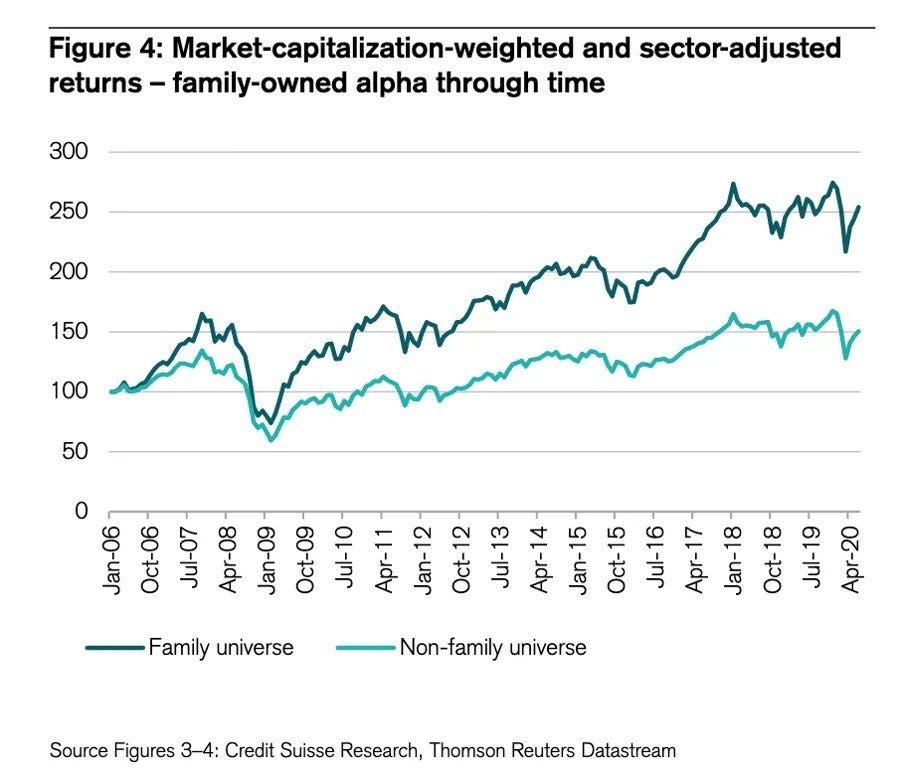
A great example of companies with management that think like owners?
Family owned companies.
These kind of companies outperform the market in the long term:
Two great examples of companies where insiders are now buying shares? KKR and MSCI.
Money Isn’t Everything
Money isn’t the only way to motivate people.
A strong company culture can also be a great incentive.
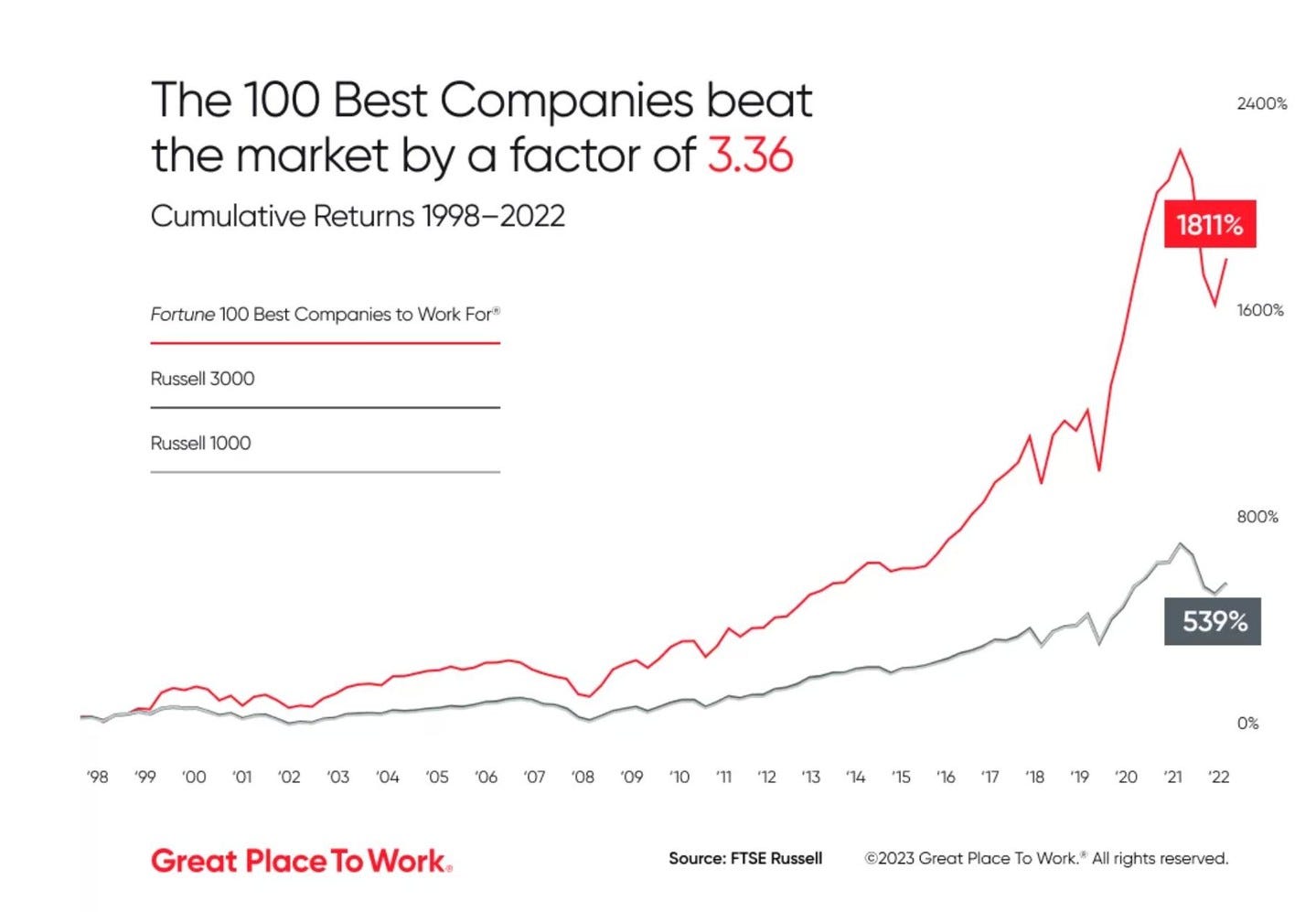
Happy employees perform better.
As you can see in this chart, companies with happy employees outperform.
Just listen to Ray Dalio:
“The key to having success is having the right people, and the key to having the right people is having the right culture” - Ray DalioI said earlier that culture can’t be quantified.
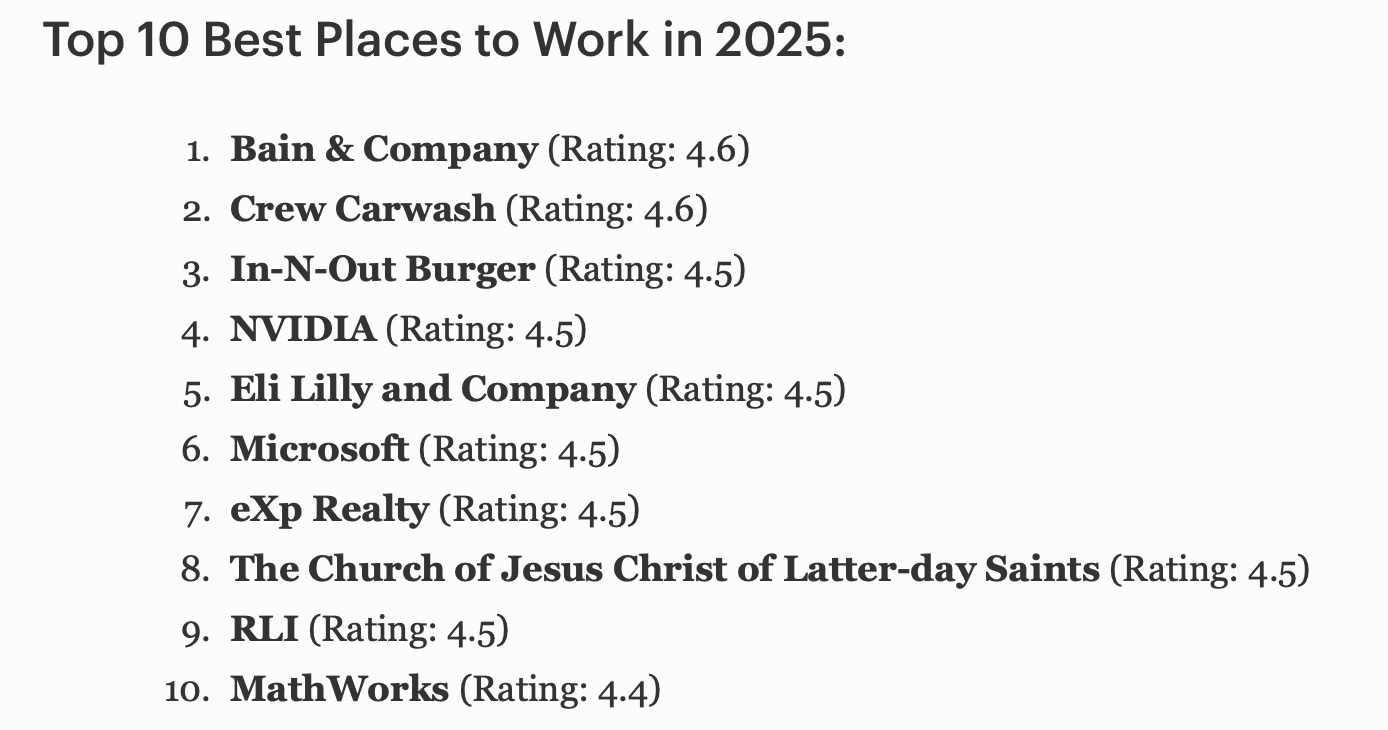
That’s true, but we can get a good indication from Glassdoor ratings.
It’s a site where employees review companies anonymously.
As a rule of thumb, a good Glassdoor rating is usually above 3.5 out of 5.
Here are 2025’s 10 Best Places to Work according to Glassdoor:
Bringing Everything Together
As a young investor, I struggled with home bias.
My entire portfolio was invested in Belgian stocks.
Today, I don’t own any Belgian stocks.
But I do have one Belgian business on my radar.
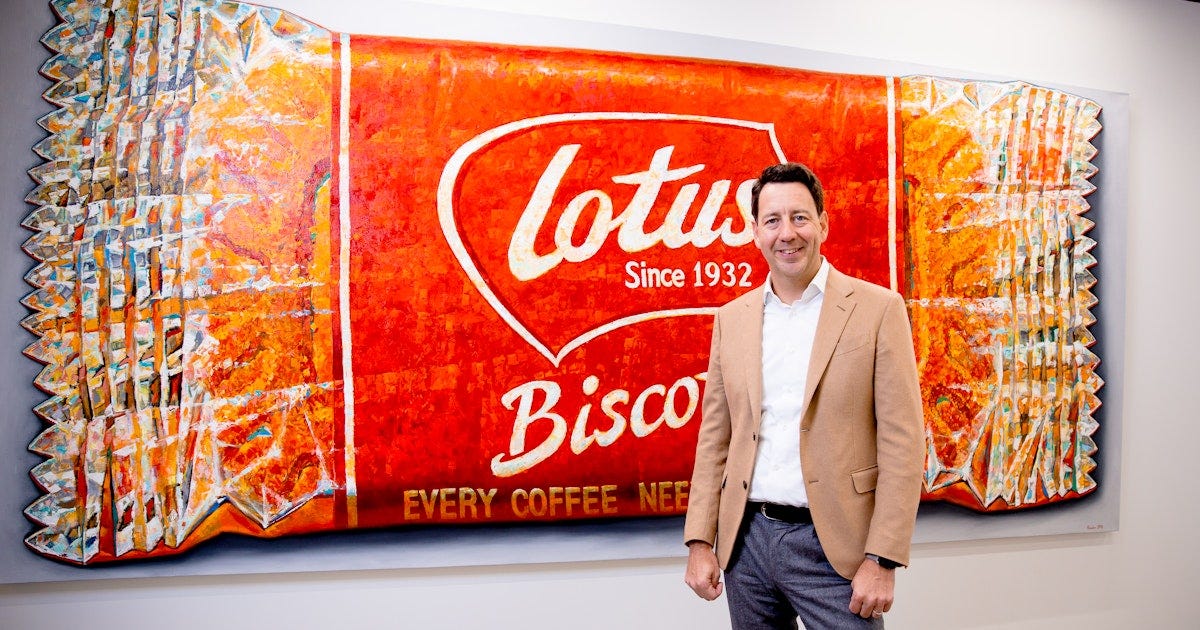
Lotus Bakeries
How does Lotus Bakeries make money?
Lotus Bakeries makes baked goods, most famously known for their speculoos cookies. You might know them through their brand Biscoff.
Lotus Bakeries has a lot of things we like to see.
Skin In The Game
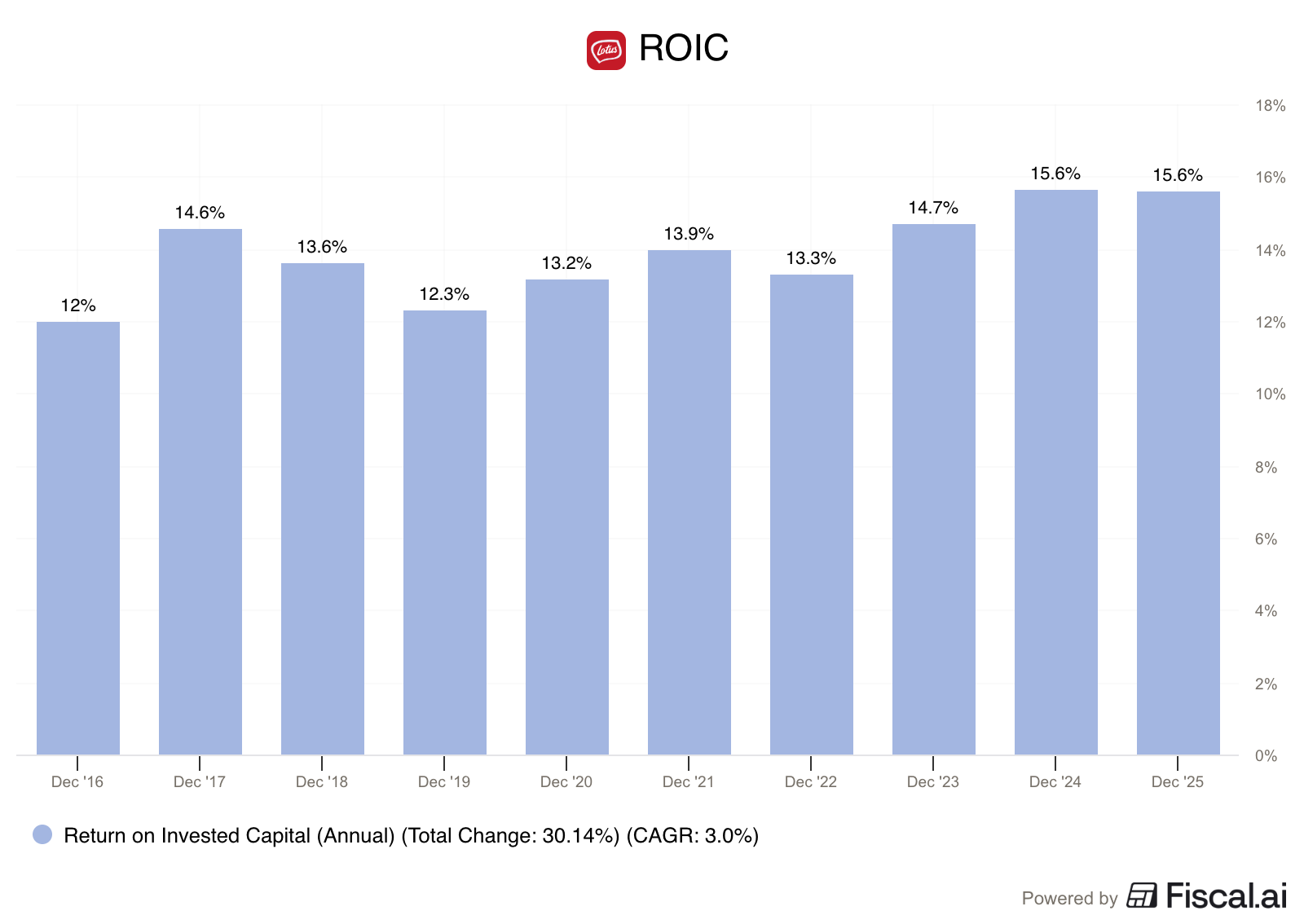
Jan Boone is an excellent CEO.
He’s been with the company since 2011.
During that time, he has maintained a very attractive ROIC:
Part of the reason?
Management has a lot of skin in the game.
50.2% (!) is owned by insiders
Culture
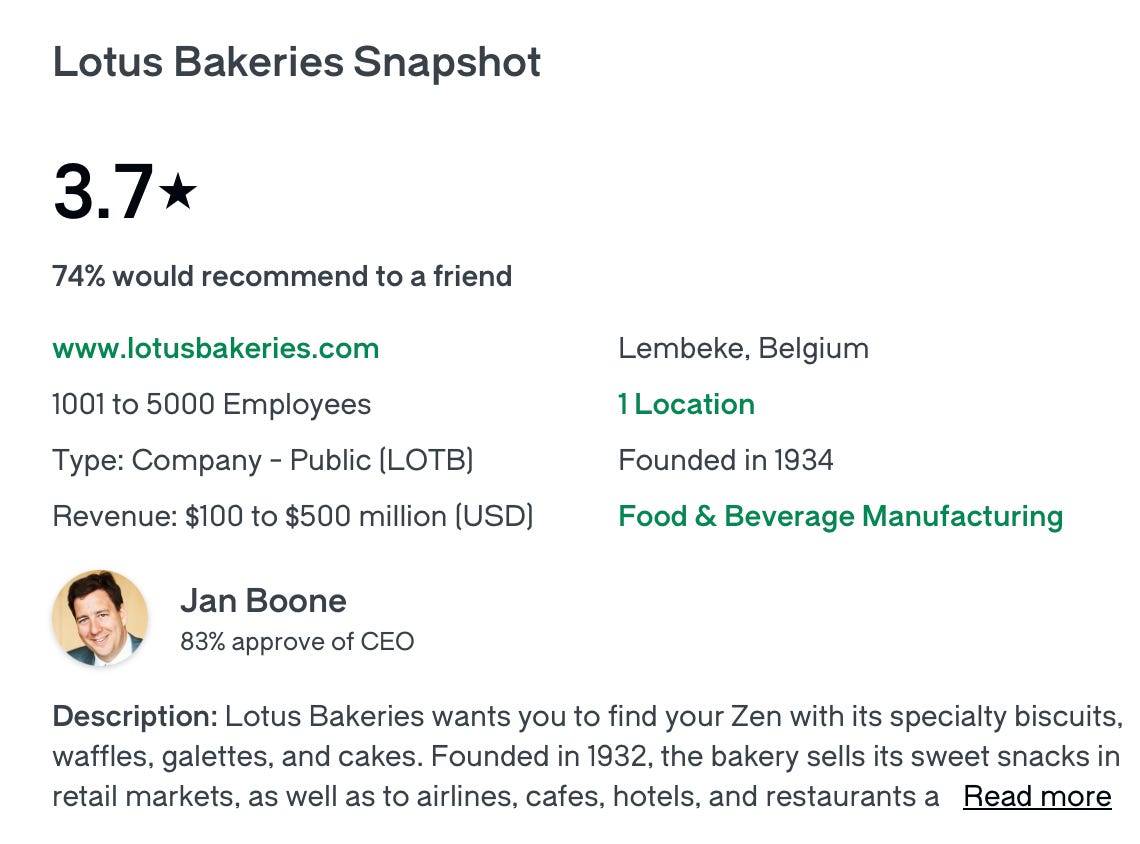
Lotus Bakeries also has a great culture.
It gets a rating of 3.7 stars on Glassdoor.
83% of employees approve Jan Boone.
Growth
Great management and a great culture lead to great results.
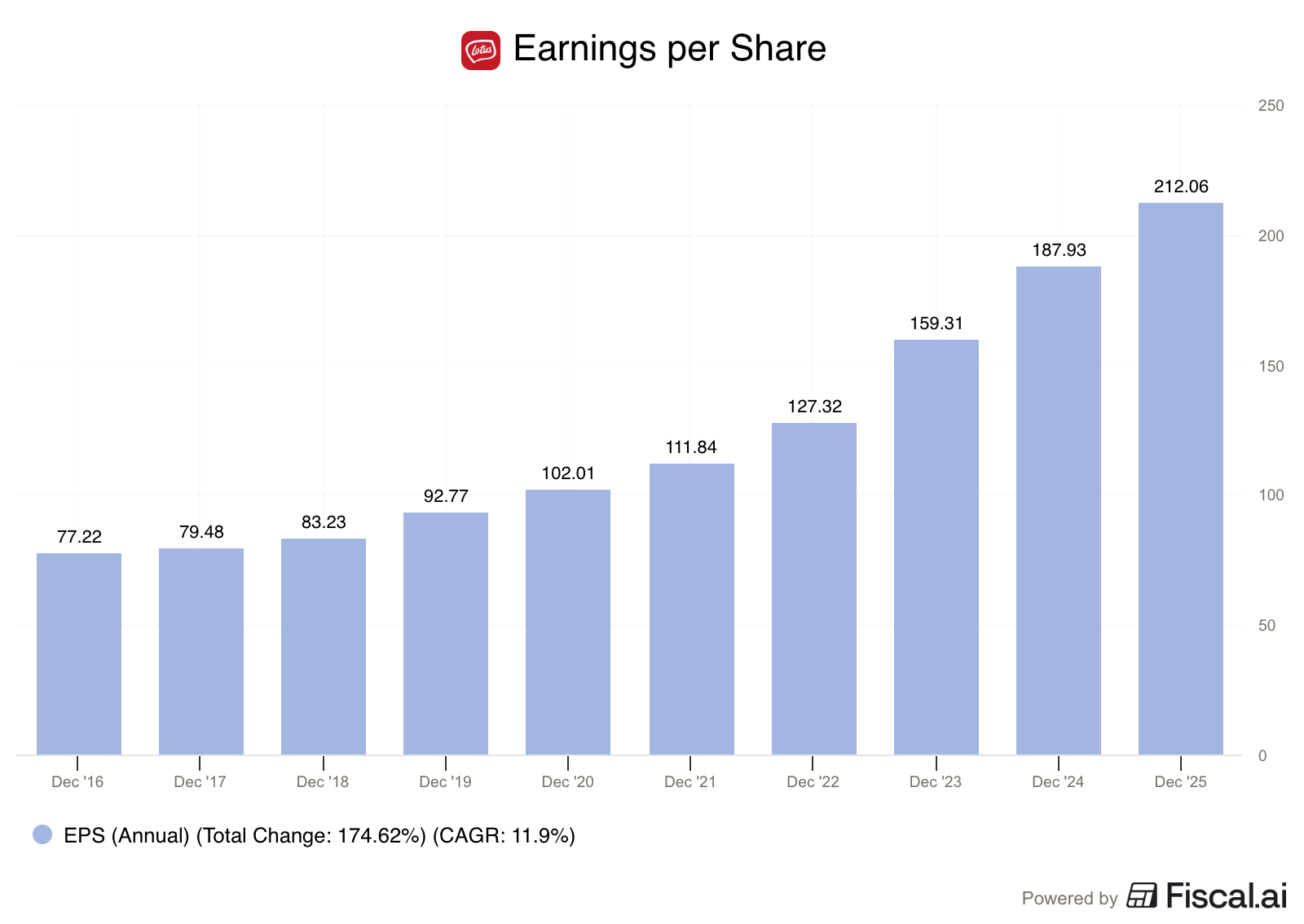
Lotus Bakeries has grown its EPS by almost 12% per year for the last decade.
Lotus Bakeries is a great example of an Owner-Operator stock.
It has a deep moat.
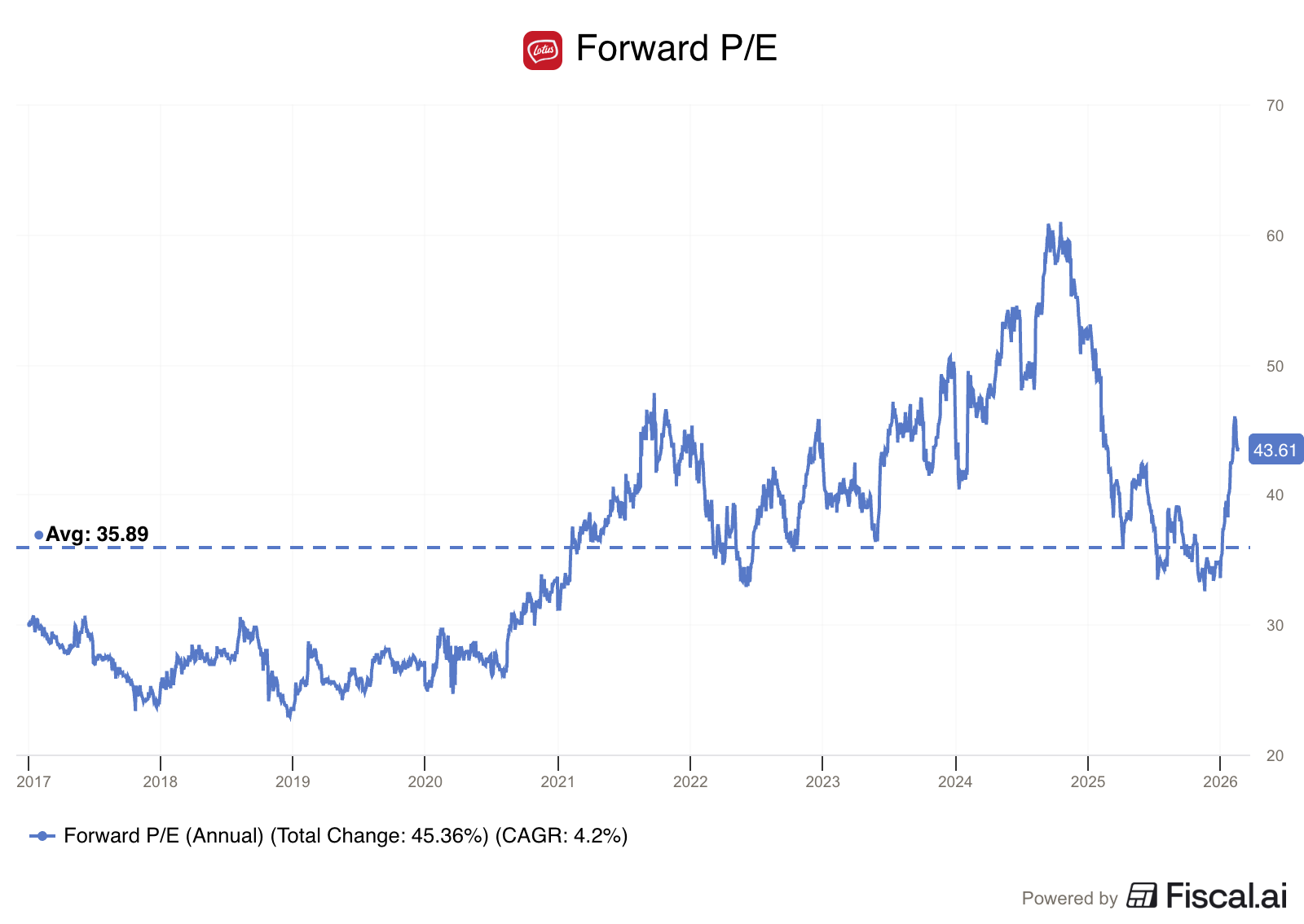
The numbers look great. And yet I don’t own any shares…
The reason?
A high valuation.
Conclusion
That’s it for today.
Never underestimate the power of incentives.
"Well, I think I’ve been in the top 5% of my age cohort all my life in understanding the power of incentives, and all my life I’ve underestimated it. And never a year passes that I don't get some surprise that pushes my limit a little farther." - Charlie MungerHere’s what to look for to make sure you invest with incentives on your side:
Compensation tied to long-term targets
A great corporate culture
High insider ownership
Everything In Life Compounds
Team Compounding Quality
PS You are not a Partner of Compounding Quality yet? Discover everything you need to know here.
Used sources
Interactive Brokers: Portfolio data and executing all transactions
Fiscal.ai: Financial data
Beste, ik ben een partner van de kwaliteitsbelegger. Is dit niet hetzelfde als compounding quality want daar wordt in de mails gemeld dat ik GEEN partner ben! Versta dit niet goed?
Vriendelijke groeten,
Marc Van De Putte