

You know what’s beautiful?
The best investors in the world are obliged to share their portfolio every quarter.
Let’s see which Quality Stocks superinvestors like Warren Buffett and Terry Smith have been buying.
A shameless copycat
Mohnish Pabrai put it best:
“I’m a shameless copycat. Everything in my life is cloned … I have no original ideas.”
Copying what works is a great strategy.
Charlie Munger modeled himself after Benjamin Franklin
Microsoft copied Netscape, Lotus, and many more to become dominant in software
Facebook has copied Snap and TikTok & bought Instagram, and WhatsApp
Pabrai copied Buffett’s partnership structure and his investing style
What’s also interesting?
Several studies have shown that by copying the best investors in the world, you tend to outperform the market:

With that in mind, let’s dive into what superinvestors have been buying and selling recently.
PS Do you know what’s really interesting?
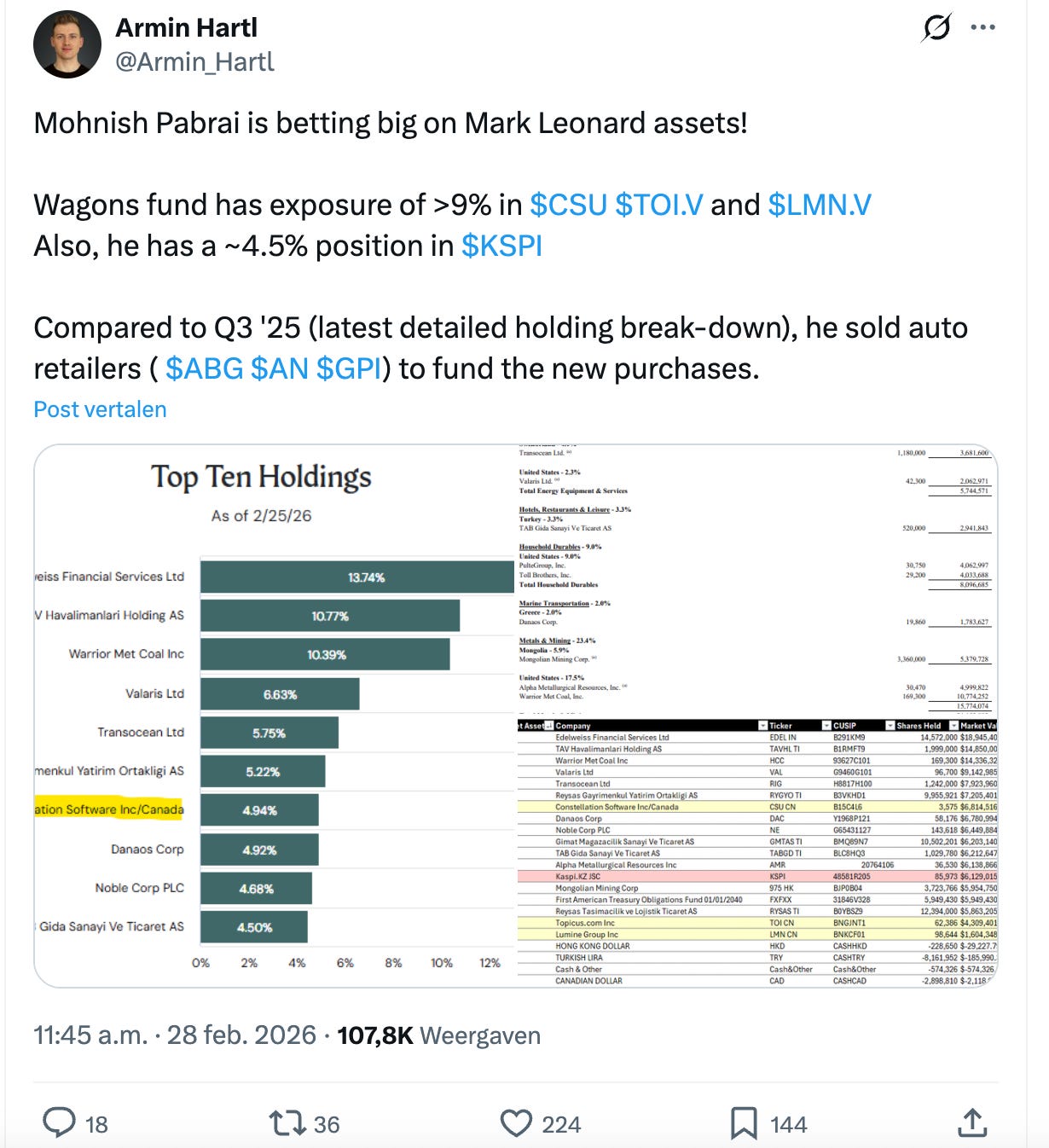
Mohnish Pabrai recently added a lot to Constellation Software ($CSU).
This is very interesting to see, especially given the fact that he can be seen as a deep value investor.
In other words: Mohnish Pabrai thinks Constellation Software is way too cheap.
Top 10 Buys
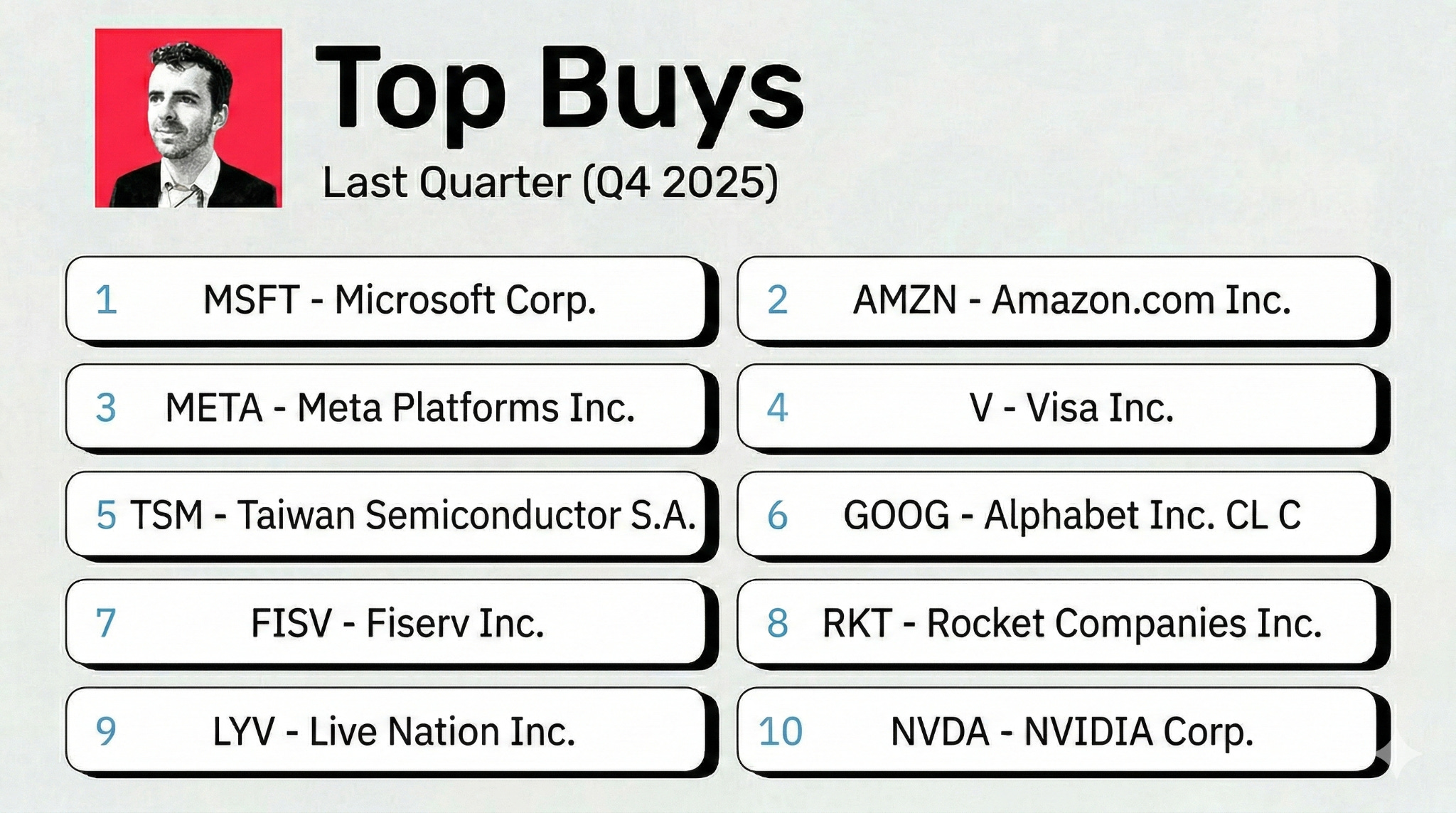
Here are the 10 stocks ‘superinvestors’ bought the most of last quarter:
If we look at the last 2 quarters, we get the following:
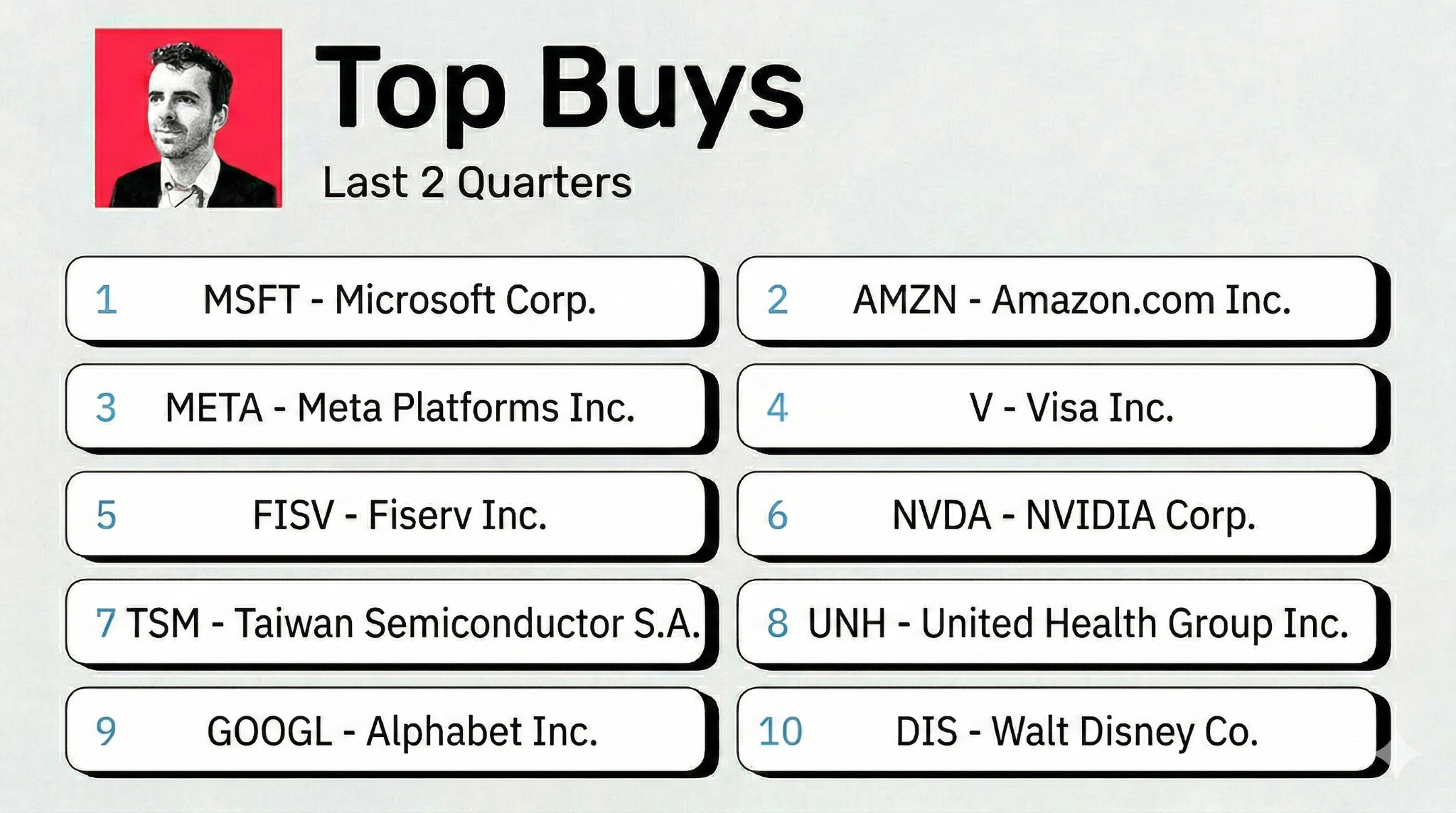
There are a lot of large cap stocks in both lists:
Superinvestors like Warren Buffett, Terry Smith, Chuck Akre, … manage billions of dollars.
As a result, they are practically forced to own large cap stocks.
Why?
They are just not able to buy small caps because they would influence the stock price
Big Tech companies dominate the S&P 500. If you don’t own them, it’s hard to keep up with the benchmark
Rational, long-term investors like us don’t have this concern.
We don’t need to beat the index every quarter. We want to outperform in the long term.
The interesting thing? The larger the company, the harder it is to keep growing at very high rates.
Just think about Meta Platforms for a second.
There’s not that much market share left for them to take.
As a result, growth needs to come from selling more to existing clients.
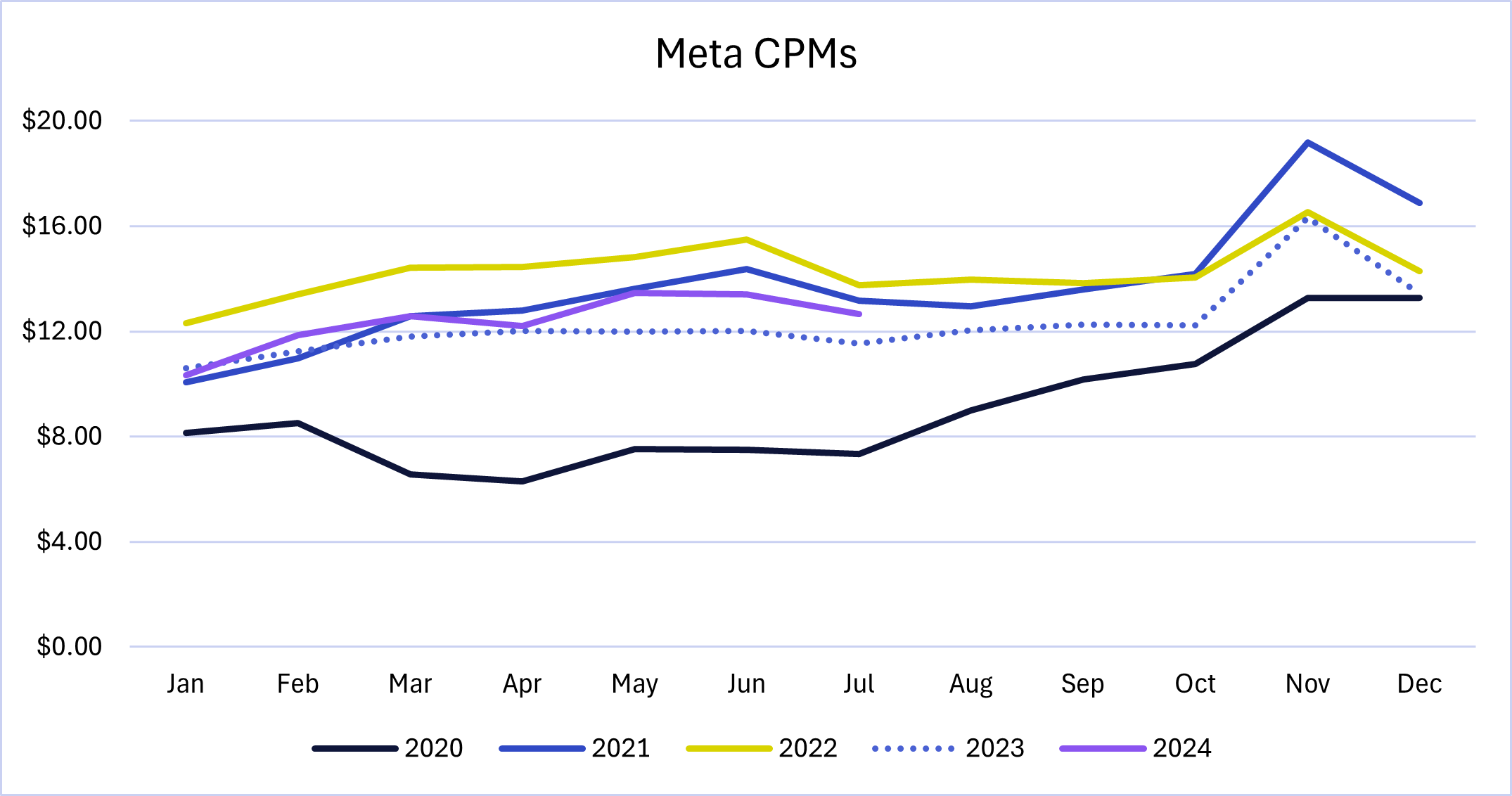
The costs for ads almost doubled since 2017 on Meta Platforms.
This will be much harder for them to do again over the next 8 years.
The most interesting companies?
The ones owned by the best quality investors in the world
Small caps.
Quality Investors 101
The Community of Compounding Quality is amazing.
Every quarter, Mathieu creates a spreadsheet tracking the Portfolio of the 12 best quality investors in the world.
Think about investors like:
Fundsmith (Terry Smith)
Akre Capital (Chuck Akre)
Valley Forge (Devang Kantesaria)
Giverny Capital (François Rochon)
TCI Fund Management (Chris Hohn)
Let’s look into what they are buying and selling.
What Quality Investors Sold
Let’s start with the positions they sold.
1. Fiserv ($FI)
How does the company make money?
Fiserv earns fees by processing credit and debit card transactions for businesses and providing the software that banks use to manage customer accounts and digital banking.
Why did superinvestors sell?
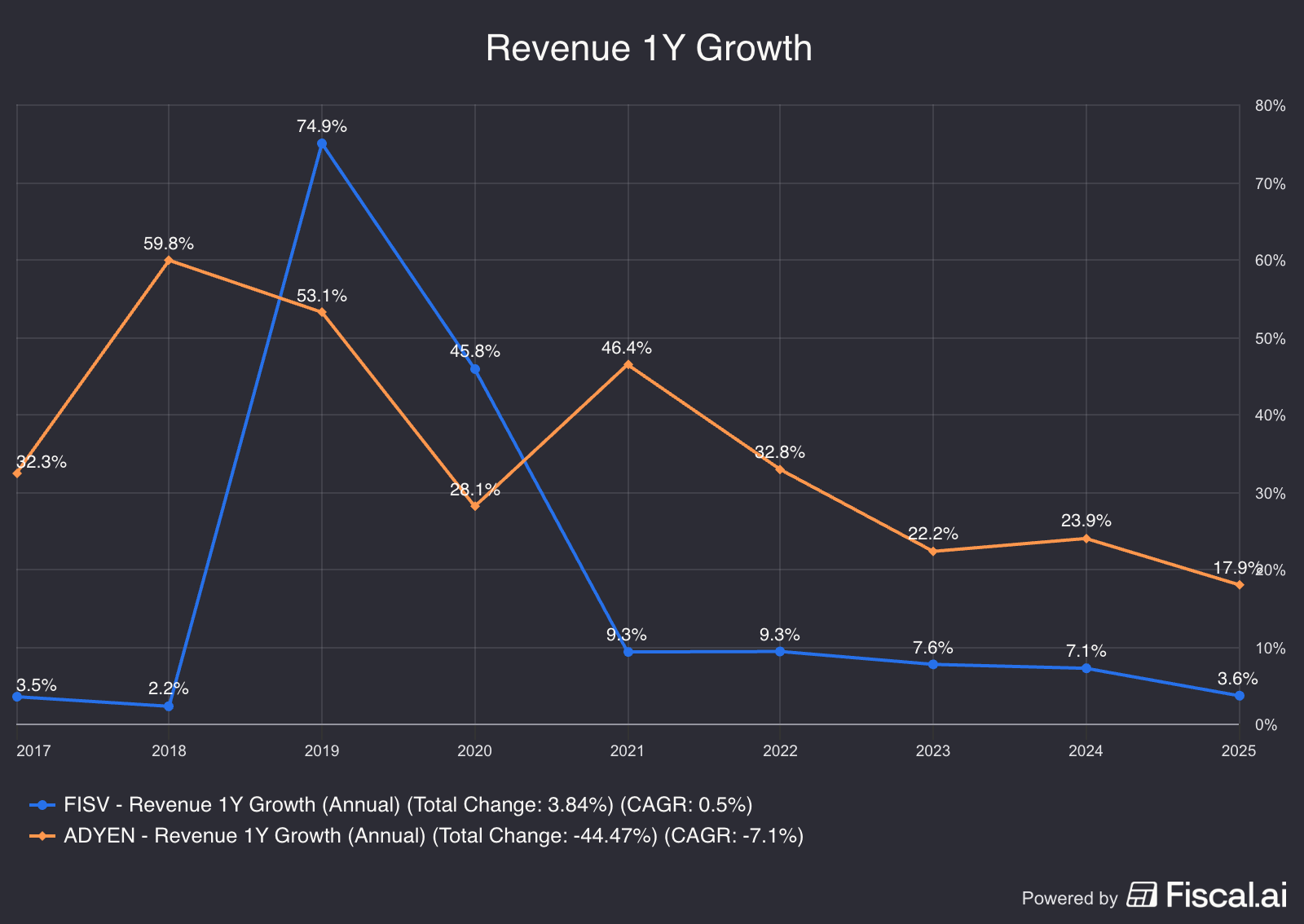
Fiserv used to be the only toll bridge in town.
But today, modern competitors like Stripe and Adyen are competing with Fiserv.
But when Michael Lyons took over, he dropped a bombshell.
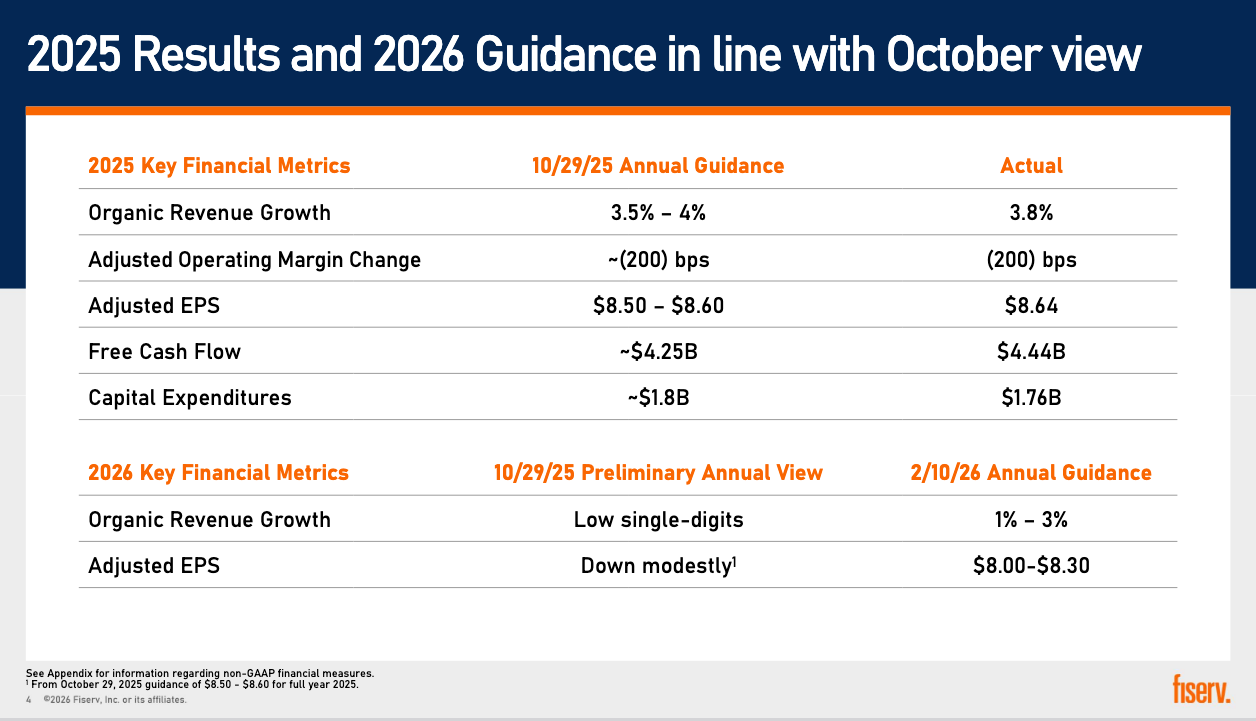
The old growth targets were gone. Instead of 10% revenue growth, the new plan was just 3.5% to 4%.
That’s why investors like Francois Rochon decided to sell.
2. Booz Allen ($BAH)
How does the company make money?
Booz Allen provides specialized consulting, technology, and analytics services to United States government agencies, including defense, intelligence, and civil sectors.
Why did superinvestor sell?
One thing we love as quality investors is predictability.
For years, U.S. Government contracts were very stable.
But that changed when Elon Musk started cutting contracts in an effort to reduce government spending with DOGE.
Why that’s bad for Booz Allen? 70% of its revenue comes from contracts with the U.S. Government.
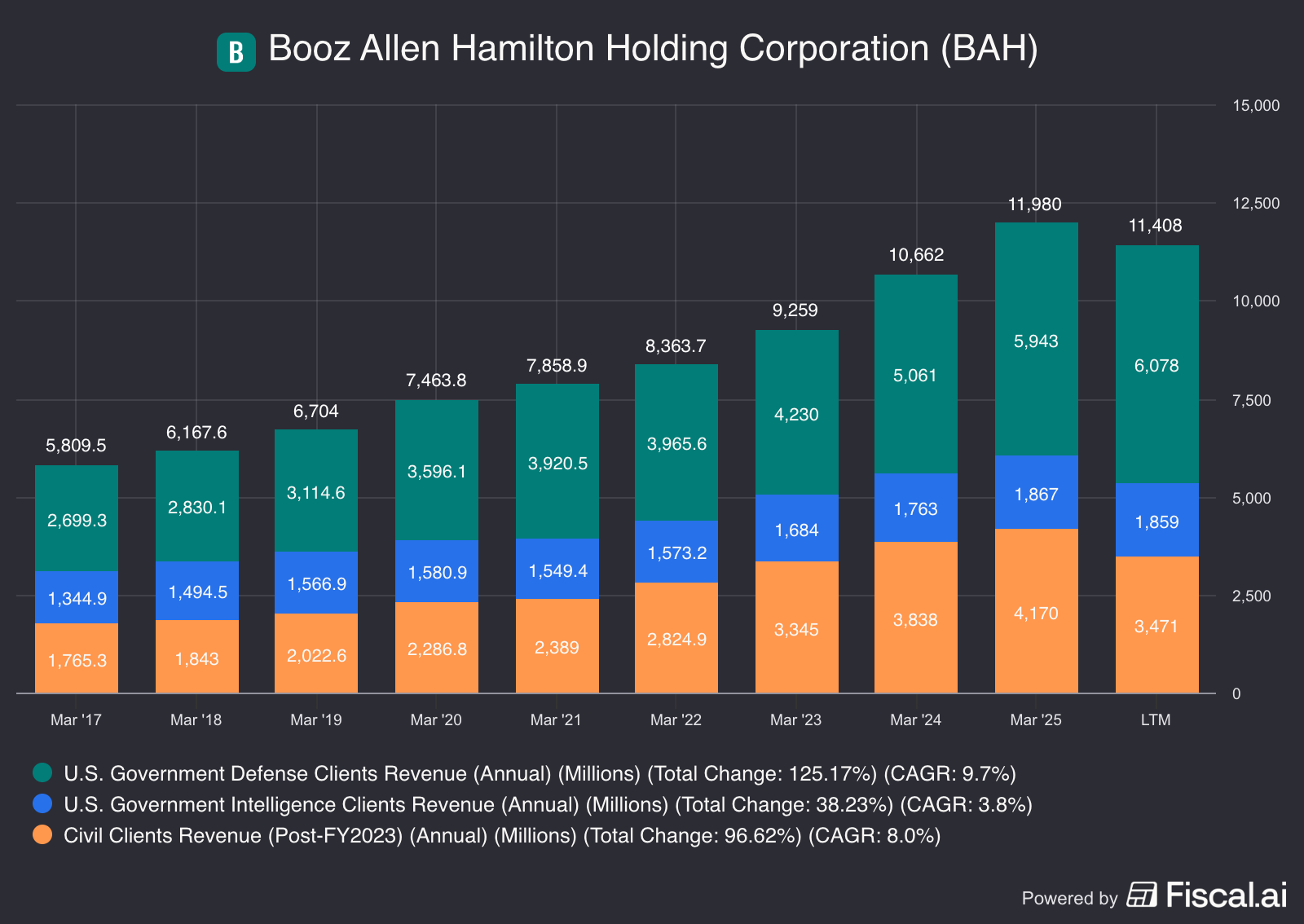
That killed the revenue certainty. Suddenly, the company was in the midst of a political battle.
3. Credit Acceptance ($CACC)
How does the company make money?
Credit Acceptance Corp provides auto loans to high-risk consumers through a network of car dealers, earning revenue from the interest paid by borrowers and service fees charged to the dealerships.
Why did superinvestor sell?
Francois Rochon of Giverny Capital sold Credit Acceptance Corporation.
He told us exactly why in his investor letter:
“As for sales, we trimmed Credit Acceptance Corporation throughout the third quarter and exited fully on October 1. We believe Credit Acceptance has fallen behind other leading subprime lenders in both technology and underwriting sophistication and may have a hard time catching up.”
Temporary challenges? No problem. They often let you buy great companies at a discount.
But Credit Acceptance fell far behind its competitors. And catching up looks anything but certain.
What Quality Investors Trimmed
Here are some companies quality investors trimmed last quarter:
Microsoft (MSFT)
Alphabet (GOOGL)
Interactive Brokers (IBKR)
CME Group (CME)
Intuit (INTU)
O’Reilly Automotive (ORLY)
CarMax (KMX)
Fiserv (FI)
The most likely reason?
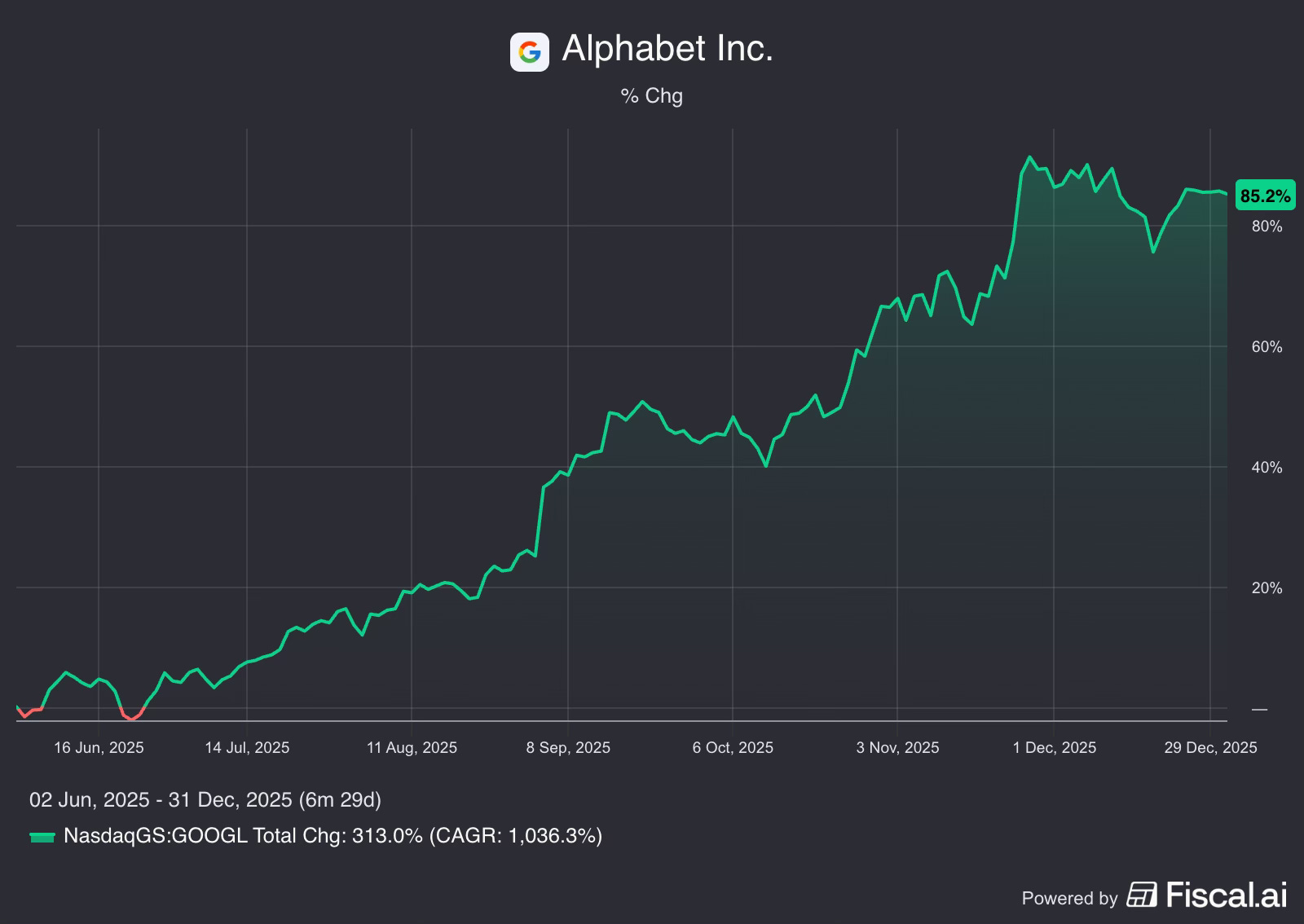
Companies like Microsoft, Alphabet, and Interactive Brokers did really well recently.
The valuation might become a bit too expensive according to some investors.
Big Funds, Small Positions
Here’s a list of companies that multiple funds have small positions in:
Waters Corp (WAT)
Booking Holdings (BKNG)
ADP (ADP)
Cadence Design Systems (CDNS)
Analog Devices (ADI)
Zoetis (ZTS)
Mercadolibre (MELI)
Floor & Decor (FND)
Let’s highlight three companies from this list.
Automatic Data Processing (ADP)
How does the company make money?
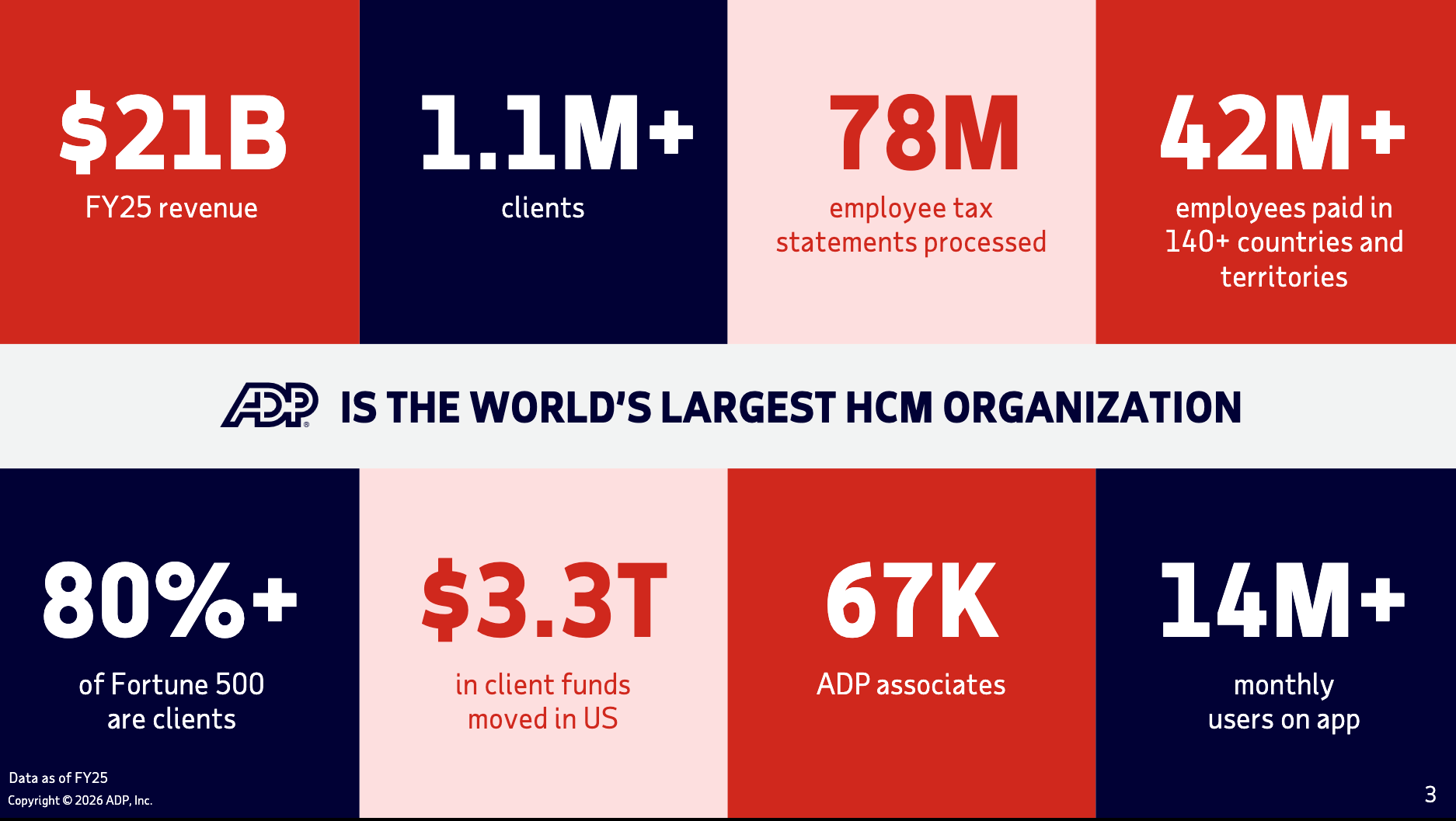
ADP makes money by handling payroll and human resources for businesses. They charge recurring fees for these services, and earn significant interest on the billions of dollars they temporarily hold before paying them out to employees and tax authorities.
Why it might be interesting
ADP has very high switching costs.
Once a company trusts ADP with its taxes and payroll, they almost never leave.
It’s also a very capital light business, with CAPEX/Sales below 2%:
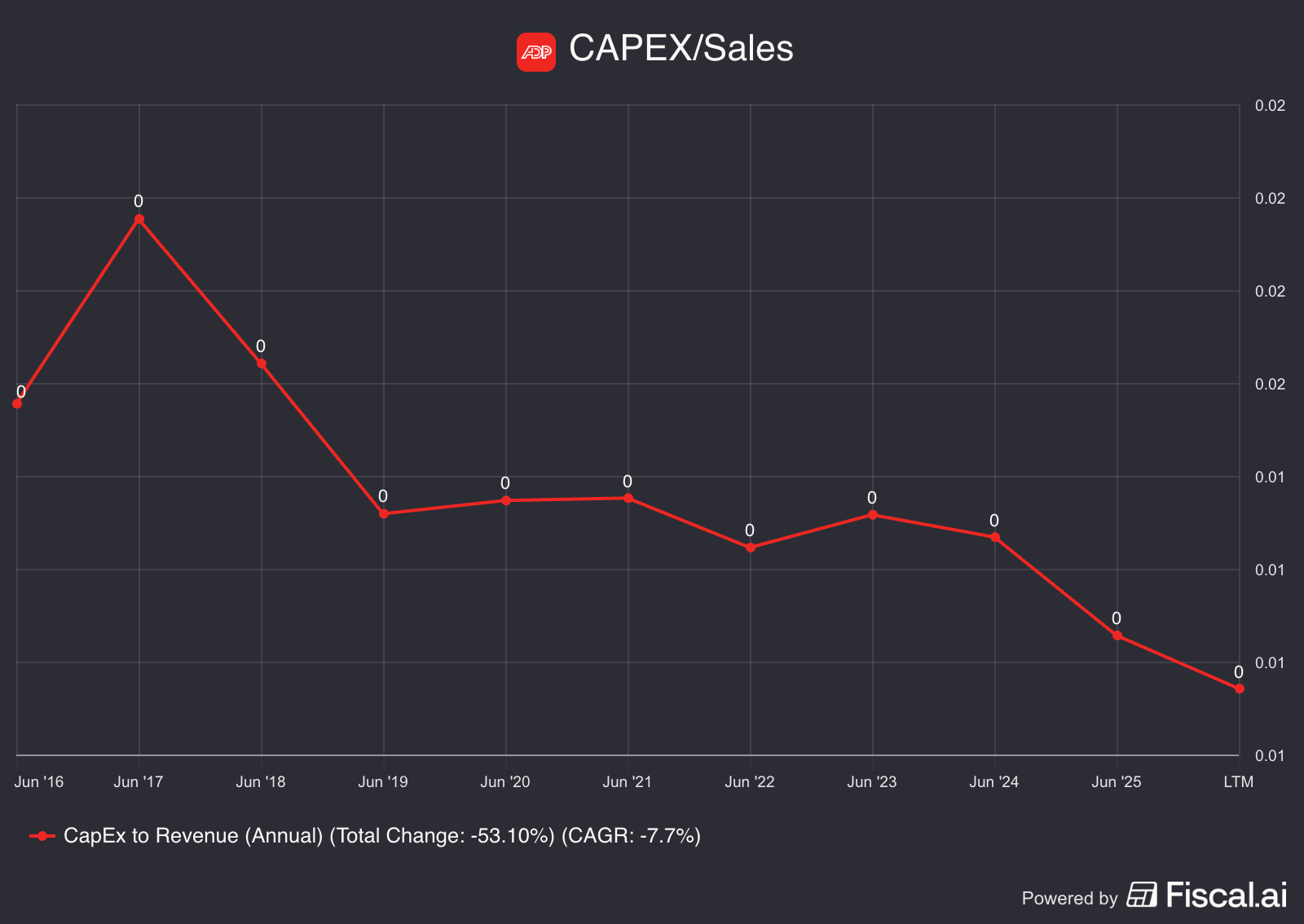
They generate a lot of cash without needing to reinvest a lot back into the business.
Quality Funds Ownership:
Fundsmith: 6.3%
Guardcap: 3.8%
Seilern: 0.5%
Booking Holdings (BKNG)
How does the company make money?
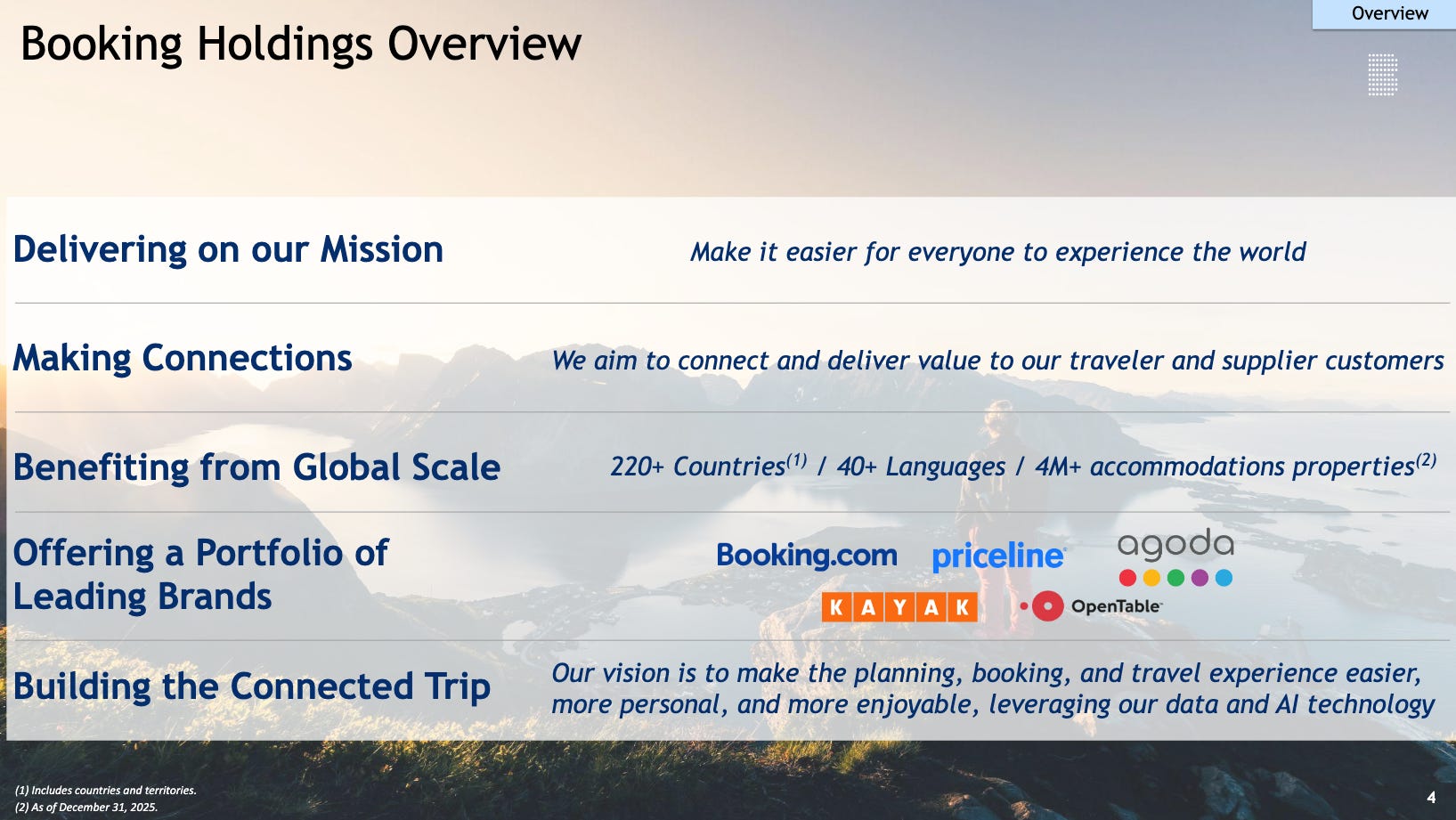
Booking Holdings makes money by collecting commissions on travel reservations made through its platforms, processing payments directly as the merchant of record, and earning advertising and referral fees from brands like KAYAK and OpenTable.
Why it might be interesting
The company owns Booking.com, Agoda, and OpenTable.
For every hotel room or flight booked through their platform, Booking takes a percentage.
It’s important to understand they don’t own any hotels. They own the traffic.
This is a capital-light marketplace with a powerful network effect working in its favor.
The more hotels they list, the more travelers use the site
The more travelers use the site, the more hotels want to be listed
Another interesting thing?
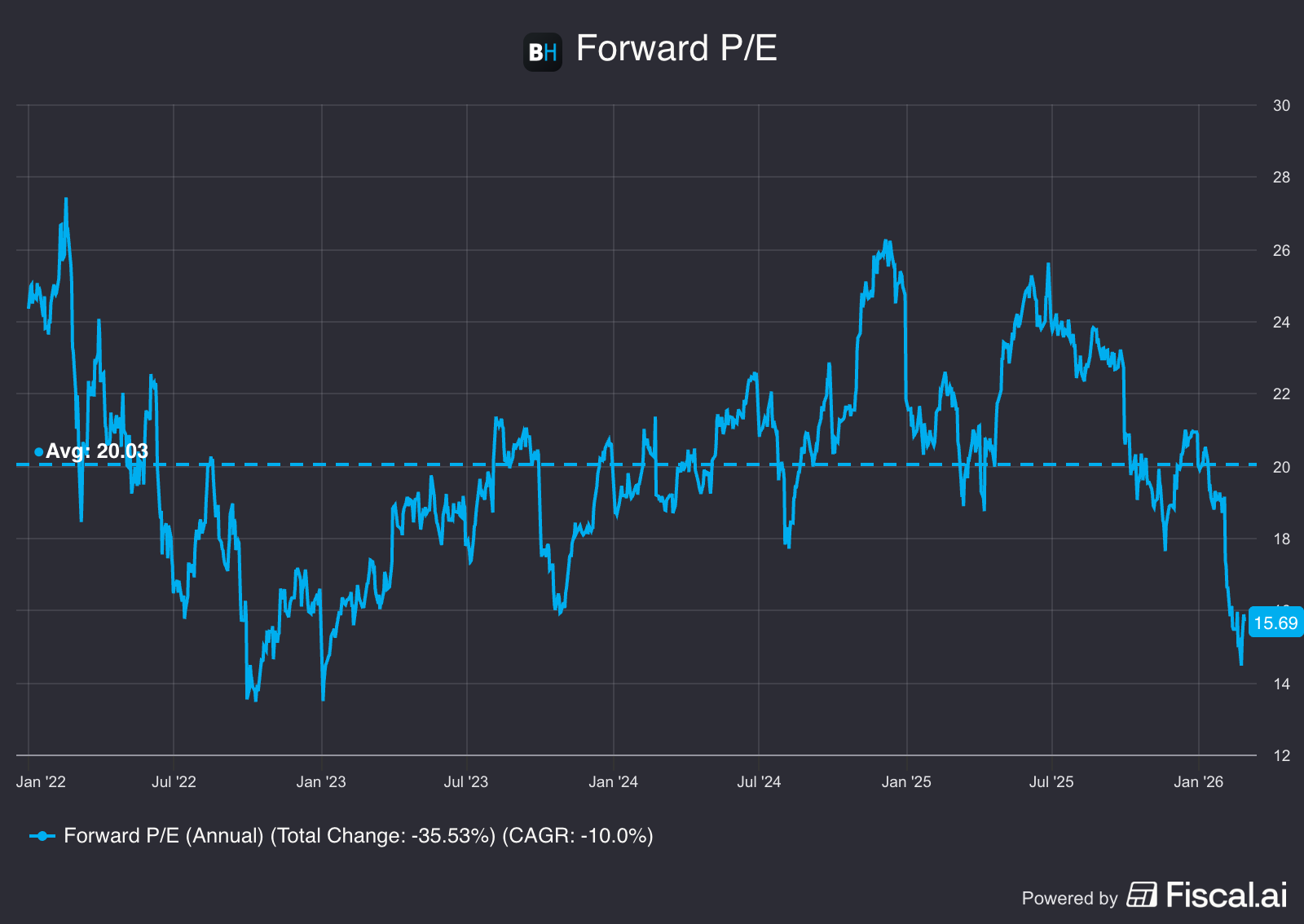
Booking is currently trading at one of the lowest Forward P/E ratios we’ve seen since 2020.
Why? Because investors fear AI will disrupt its business.
We don’t think this will be the case as Booking’s network effect is very powerful.
Quality Funds Ownership:
Giverny Capital: 3.8%
AKO Capital: 3.5%
Guardcap: 8.5%
MercadoLibre (MELI)
How does the company make money?
MercadoLibre makes money by taking commissions on sales on its e-commerce marketplace, and earning interest and fees through its massive fintech ecosystem, Mercado Pago, which provides digital payments and credit across Latin America.
Why it might be interesting
MercadoLibre owns a dominant ecosystem across Latin America:
E-commerce: MercadoLibre
Fintech: MercadoPago
You could see the company as ‘the Amazon of Latin America’.
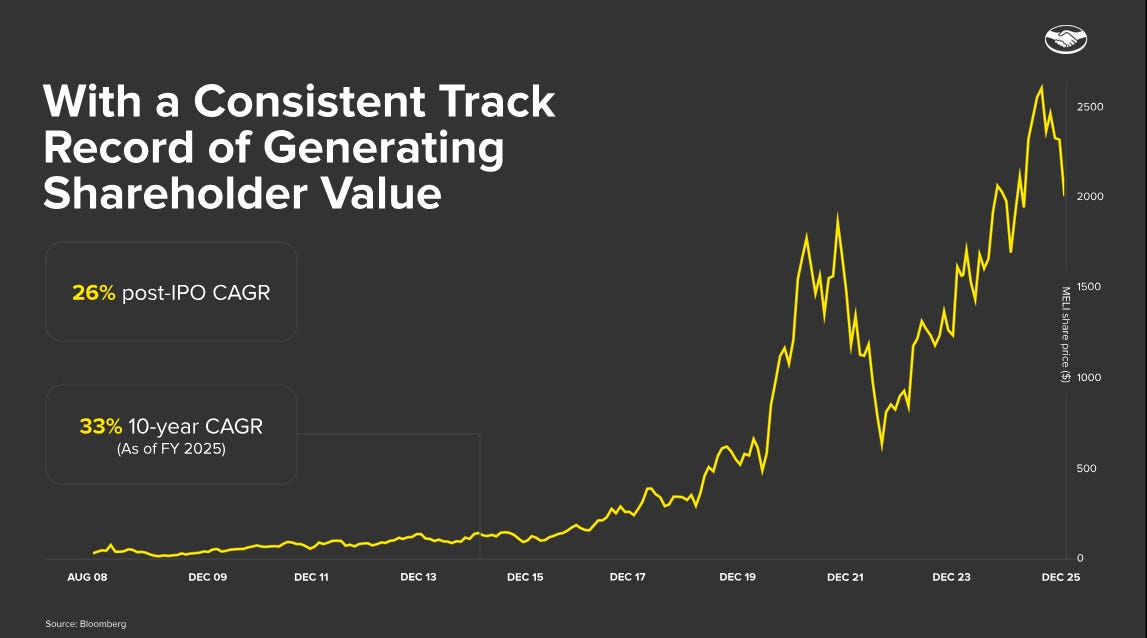
It’s grown incredibly fast:
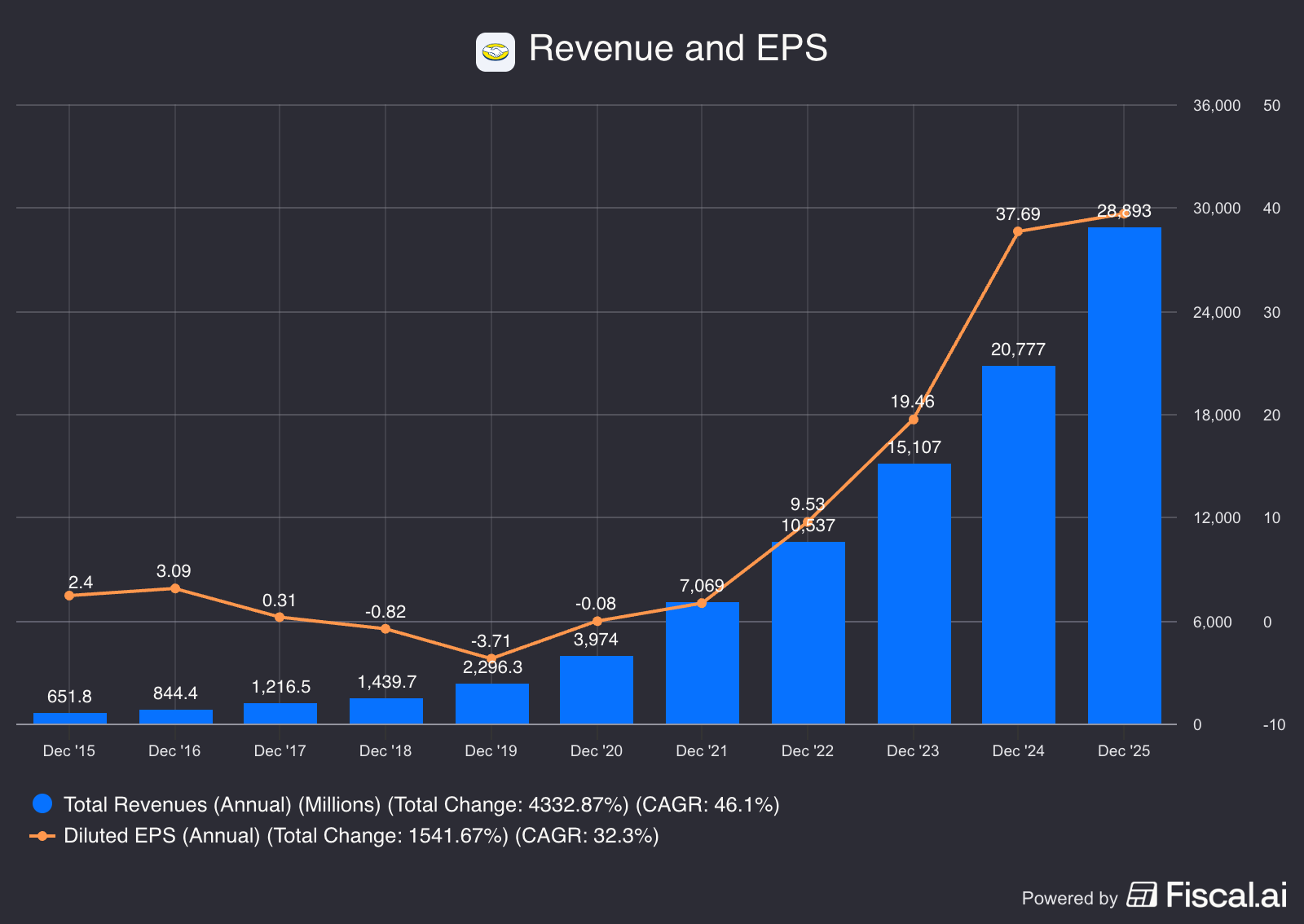
Just like Amazon, MercadoLibre has a moat built on network effects and logistics infrastructure.
MercadoLibre is the dominant e-commerce platform in Latin America.
The more people use it, the more valuable it becomes:
Sellers stay because that’s where the customers are
Buyers stay because that’s where the best selection is
On top of that, their shipping network and digital payment system (MercadoPago) build a moat of convenience.
That’s powerful in a region where shipping and payments have always been a nightmare.
Quality Funds Ownership:
NSZ Capital: 1.4%
Guardcap: 0.1%
You can read a Not So Deep Dive of Mercadolibre here.
What Quality Investors Bought
This is the most interesting part of the article.
Here are some quality stocks superinvestors added to last quarter: